Nutrition Strategies for Busy Professionals
A successful Nutrition Program Denver professionals can actually follow is not built around perfection. It is built around consistency. Between early meetings, long workdays, family obligations, commuting, and social commitments, many busy professionals struggle to maintain healthy eating habits. Convenience often wins over preparation, leading to skipped meals, afternoon energy crashes, and reliance on highly processed foods.
The good news is that improving nutrition does not require complicated meal plans or spending hours in the kitchen every day. Small, strategic adjustments often create the biggest long-term results. Many professionals find that improving their eating habits increases energy, improves focus, supports healthy body composition, and makes it easier to stay consistent with exercise.
At Fight Gravity Fitness, we regularly work with busy professionals who want practical solutions that fit real-world schedules. Whether someone is training regularly or just beginning their wellness journey, nutrition plays a critical role in performance, recovery, and overall health. Through personalized coaching at Fight Gravity Fitness, clients learn how to build sustainable habits that support both their professional and personal goals.
TL;DR
A successful nutrition strategy does not require perfect eating. Busy professionals benefit most from simple habits such as meal planning, prioritizing protein, staying hydrated, preparing healthy snacks, and maintaining consistent eating schedules. Sustainable nutrition habits improve energy, productivity, recovery, and long-term health while reducing reliance on convenience foods. The most effective nutrition plans fit into real life rather than forcing people to completely restructure their schedules.
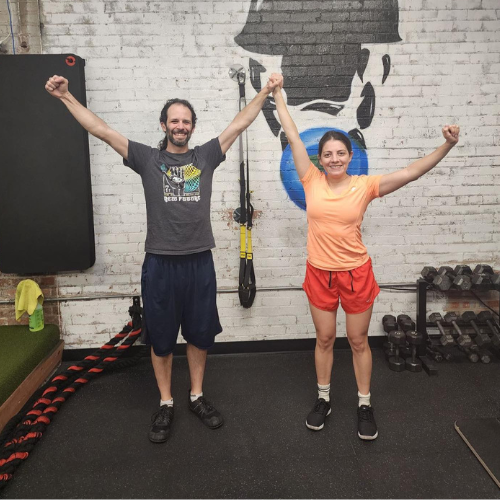
Meet our Denver
Personal Trainers
Key Takeaways
Consistency matters more than perfection.
Meal preparation reduces poor food choices.
Protein helps support energy, recovery, and satiety.
Hydration plays a major role in performance and focus.
Strategic snacks can prevent energy crashes.
Planning ahead reduces reliance on fast food.
Sustainable habits outperform restrictive diets.
Nutrition supports both workplace productivity and fitness goals.

Why Nutrition Becomes Challenging for Professionals
Most professionals understand the importance of healthy eating. The challenge is implementation.
Long workdays often create situations where convenience becomes the default option.
Time Constraints Create Poor Food Decisions
Many professionals experience:
Early meetings
Long commutes
Travel schedules
Family responsibilities
Late work hours
When schedules become packed, nutrition often becomes reactive instead of intentional.
Meals are skipped, fast food becomes more appealing, and energy levels suffer.
Stress Influences Food Choices
Stress significantly impacts eating behavior.
During stressful periods, people often gravitate toward:
Sugary snacks
Highly processed foods
Large portions
Convenience meals
These choices may provide short-term comfort but rarely support long-term energy or health goals.
Lack of Planning Creates Inconsistency
Many unhealthy eating patterns are not caused by lack of knowledge.
They are caused by lack of preparation.
Without healthy options available, people often choose whatever is most convenient.
This is why planning remains one of the most effective nutrition strategies available.
Build Nutrition Around Your Schedule
Many nutrition programs fail because they require people to completely reorganize their lives.
Sustainable nutrition works differently.
Start with Your Existing Routine
Instead of creating an idealized meal schedule, build around your current reality.
Ask questions such as:
When do I consistently have time to eat?
Where do I usually get hungry?
Which meals cause the most challenges?
What healthy options are realistic?
This approach increases adherence significantly.
Identify High-Risk Eating Periods
Most professionals have predictable moments when nutrition tends to break down.
Examples include:
Afternoon energy slumps
Long meetings
Business travel
Evening fatigue
Recognizing these patterns allows you to prepare solutions in advance.
Create Simple Systems
The most successful nutrition habits are often the simplest.
Examples include:
Packing lunch the night before
Keeping healthy snacks at work
Preparing breakfast ingredients ahead of time
Scheduling grocery shopping
Systems reduce decision-making and improve consistency.
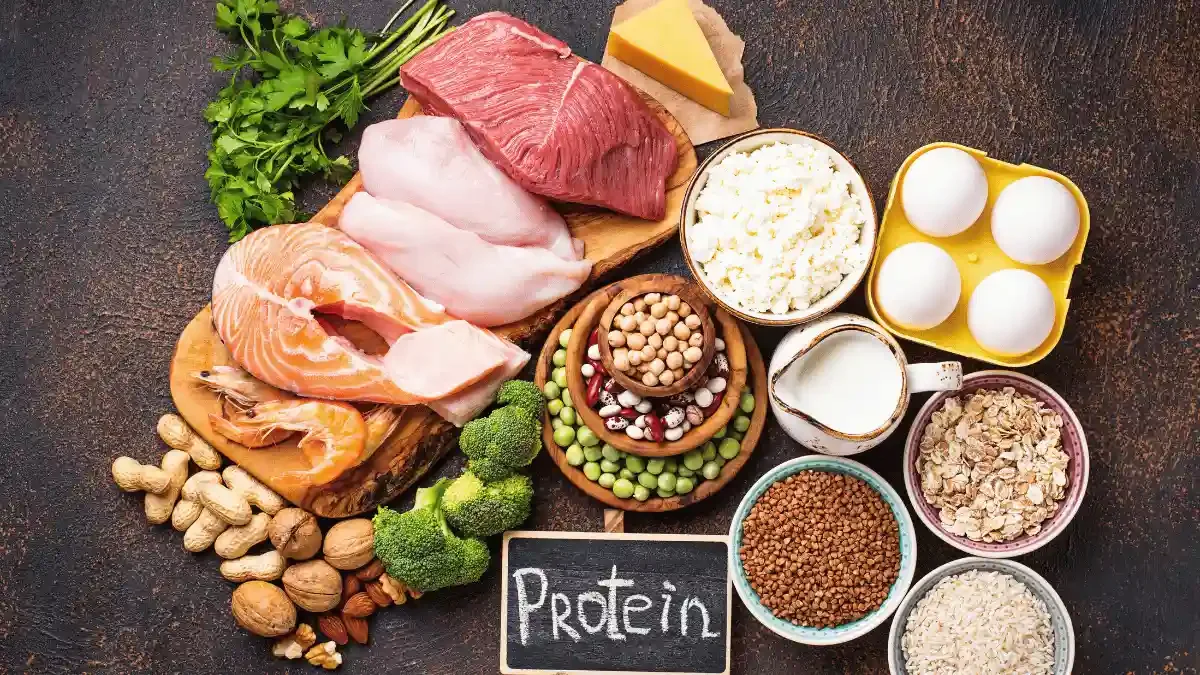
Prioritize Protein at Every Meal
Protein is one of the most valuable nutrients for busy professionals.
Protein Supports Satiety
Meals containing adequate protein help people stay full longer.
This often reduces:
Unplanned snacking
Overeating
Afternoon cravings
Protein contributes to greater meal satisfaction throughout the day.
Protein Supports Recovery
For individuals exercising regularly, protein plays an important role in muscle repair and recovery.
The Academy of Nutrition and Dietetics emphasizes adequate protein intake as part of a healthy eating pattern that supports physical activity and overall health.
Practical Protein Sources
Busy professionals often benefit from convenient options such as:
Greek yogurt
Eggs
Chicken breast
Cottage cheese
Protein shakes
Tuna packets
Lean beef
The goal is not perfection.
The goal is ensuring protein appears consistently throughout the day.
Meal Preparation Without Spending Hours in the Kitchen
Meal preparation is frequently misunderstood.
Many people assume it requires cooking every meal for an entire week.
That is rarely necessary.
Focus on Ingredients Instead of Complete Meals
Preparing individual ingredients often provides greater flexibility.
Examples include:
Grilled chicken
Roasted vegetables
Rice
Potatoes
Chopped fruit
These items can be combined in different ways throughout the week.
Batch Cooking Saves Time
Preparing larger portions once or twice per week reduces daily cooking demands.
Many professionals find that 60 to 90 minutes of preparation saves several hours later.
Keep Emergency Options Available
Even with planning, schedules change.
Having backup options helps maintain consistency.
Examples include:
Frozen vegetables
Protein shakes
Pre-cooked proteins
Healthy canned foods
These options are often far better than relying on fast food when plans change unexpectedly.
Hydration Is Often the Missing Piece
Nutrition discussions frequently focus on food while ignoring hydration.
For many professionals, hydration is one of the easiest improvements to make.
Dehydration Affects Performance
Even mild dehydration can impact:
Focus
Concentration
Energy
Physical performance
Busy professionals often mistake dehydration for fatigue.
Simple Hydration Strategies
Practical approaches include:
Carrying a reusable water bottle
Drinking water before coffee
Setting hydration reminders
Keeping water visible throughout the day
Small adjustments often lead to meaningful improvements.
Coffee Is Not a Substitute
Coffee can be part of a healthy routine.
However, it should complement hydration rather than replace it.
Water should remain the primary source of fluid intake throughout the day.

“Even on your busiest days, doing something is always better than doing nothing. Short, focused sessions add up quickly over time”
Strategic Snacks That Prevent Energy Crashes
Many professionals make good decisions at breakfast and lunch but struggle between meals.
Afternoon energy crashes often lead to poor food choices.
Why Afternoon Cravings Happen
Common causes include:
Skipping meals
Low protein intake
Poor hydration
Inadequate sleep
High stress
When energy levels drop, convenience foods become more appealing.
Smart Snack Options
Effective snacks typically combine protein, healthy fats, or fiber.
Examples include:
Greek yogurt and berries
Apple slices with peanut butter
Cottage cheese
Mixed nuts
Hard-boiled eggs
Protein shakes
These options help maintain stable energy levels throughout the workday.
Keep Healthy Options Accessible
The best snack is often the one you have available.
Keeping healthy options at:
Your desk
Your car
Your work bag
Your home office
reduces reliance on vending machines and convenience stores.
Making Better Choices When Dining Out
Business lunches, networking events, and travel often make dining out unavoidable.
Fortunately, healthy eating does not require avoiding restaurants.
Focus on Protein First
When reviewing a menu, start by identifying quality protein sources.
Examples include:
Grilled chicken
Fish
Lean steak
Turkey
Eggs
Building meals around protein often improves satiety and overall nutritional quality.
Add Vegetables Whenever Possible
Vegetables provide:
Fiber
Micronutrients
Volume
Satiety
Adding vegetables helps create a more balanced meal.
Be Mindful of Liquid Calories
Many professionals consume significant calories through beverages.
Common examples include:
Specialty coffee drinks
Sodas
Alcoholic beverages
Sweetened teas
Awareness often leads to better decision-making without requiring extreme restrictions.
Consistency Beats Perfection
One restaurant meal will not determine your results.
What matters is the pattern of decisions made over time.
Professionals who focus on consistency rather than perfection tend to maintain healthy habits longer.
The Connection Between Nutrition and Workplace Performance
Many people focus on nutrition primarily for weight management.
However, food choices directly influence workplace performance.
Stable Energy Supports Productivity
Poor eating habits often lead to:
Energy crashes
Reduced focus
Decreased productivity
Mental fatigue
Balanced meals help maintain more consistent energy throughout the day.
Nutrition Influences Cognitive Function
The brain requires adequate nutrients to function optimally.
According to the Harvard T.H. Chan School of Public Health, dietary patterns influence brain health, concentration, and overall cognitive performance.
Professionals who fuel themselves appropriately often notice improvements in:
Decision-making
Focus
Problem-solving
Mental clarity
Nutrition Supports Stress Management
Food does not eliminate stress, but nutritional habits can influence how the body responds to stressors.
Balanced eating patterns help support:
Stable blood sugar
Consistent energy
Improved recovery
Better mood regulation
For many professionals, this creates noticeable benefits both at work and at home.
How Nutrition Supports Fitness Goals
Exercise and nutrition work together.
Neither operates in isolation.
Fueling Workouts
Proper nutrition supports:
Workout performance
Energy levels
Recovery
Strength development
Individuals who train regularly often perform better when meals are planned strategically.
Supporting Recovery
Recovery begins after the workout ends.
Protein, hydration, and adequate calorie intake help support muscle repair and adaptation.
The Centers for Disease Control and Prevention recognize healthy eating as a key component of overall physical wellness and disease prevention.
Long-Term Body Composition Improvements
Nutrition plays a significant role in:
Fat loss
Muscle maintenance
Weight management
Extreme diets rarely produce lasting results.
Consistent habits usually do.
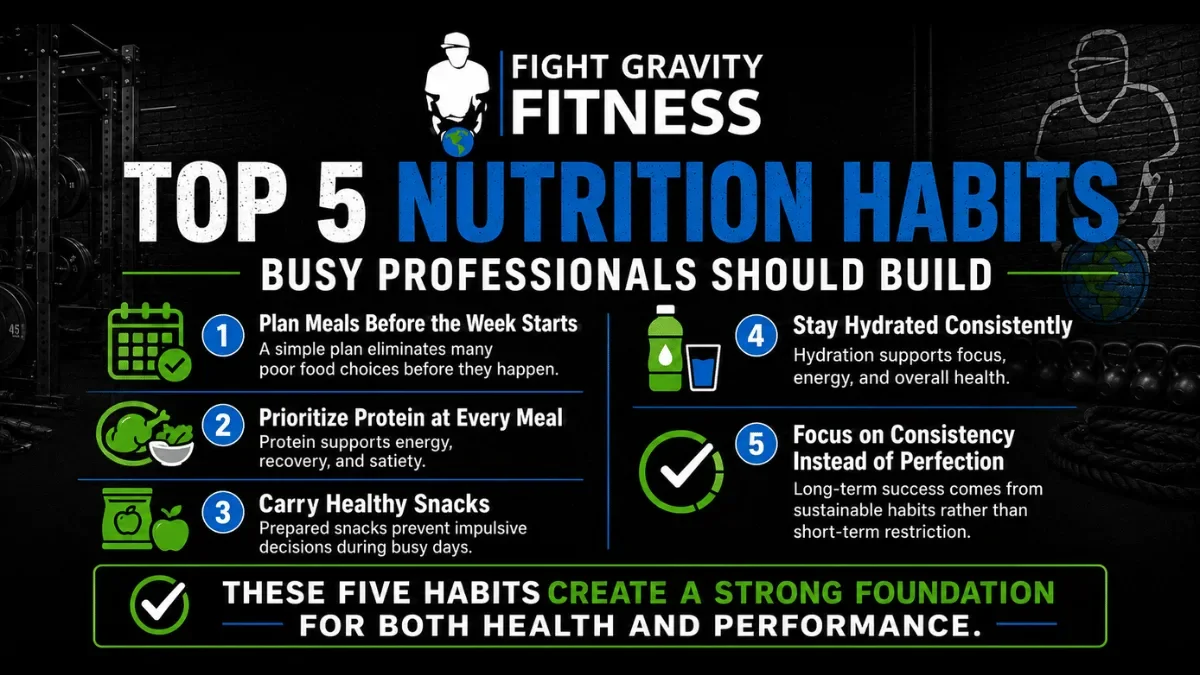
Top 5 Nutrition Habits Busy Professionals Should Build
1. Plan Meals Before the Week Starts
A simple plan eliminates many poor food choices before they happen.
2. Prioritize Protein at Every Meal
Protein supports energy, recovery, and satiety.
3. Carry Healthy Snacks
Prepared snacks prevent impulsive decisions during busy days.
4. Stay Hydrated Consistently
Hydration supports focus, energy, and overall health.
5. Focus on Consistency Instead of Perfection
Long-term success comes from sustainable habits rather than short-term restriction.
These five habits create a strong foundation for both health and performance.
Nutrition Coaching Creates Accountability
Many professionals know what they should do.
The challenge is consistently doing it.
This is where coaching becomes valuable.
Guidance Removes Guesswork
Nutrition coaching helps individuals:
Identify priorities
Simplify decisions
Create realistic plans
Build sustainable habits
The goal is making nutrition easier to follow.
Accountability Improves Consistency
Regular check-ins help individuals stay focused on long-term goals.
Accountability often becomes one of the biggest drivers of success.
Personalized Strategies Work Better
No two schedules are identical.
Nutrition coaching allows recommendations to be tailored around:
Work demands
Family obligations
Fitness goals
Food preferences
This personalization increases adherence significantly.
Building Habits That Last
Short-term diets often fail because they rely on unsustainable rules.
Successful nutrition programs focus on habits.
Start Small
Major lifestyle overhauls rarely last.
Small improvements often create better long-term outcomes.
Examples include:
Drinking more water
Eating protein at breakfast
Bringing lunch to work
Preparing snacks in advance
Focus on Progress
Improvement does not require perfection.
Consistency over months and years produces meaningful results.
Make Healthy Choices Easier
The environment often determines behavior.
Keeping healthy foods visible and accessible increases the likelihood of making better decisions.
Successful professionals frequently use systems rather than relying solely on motivation.
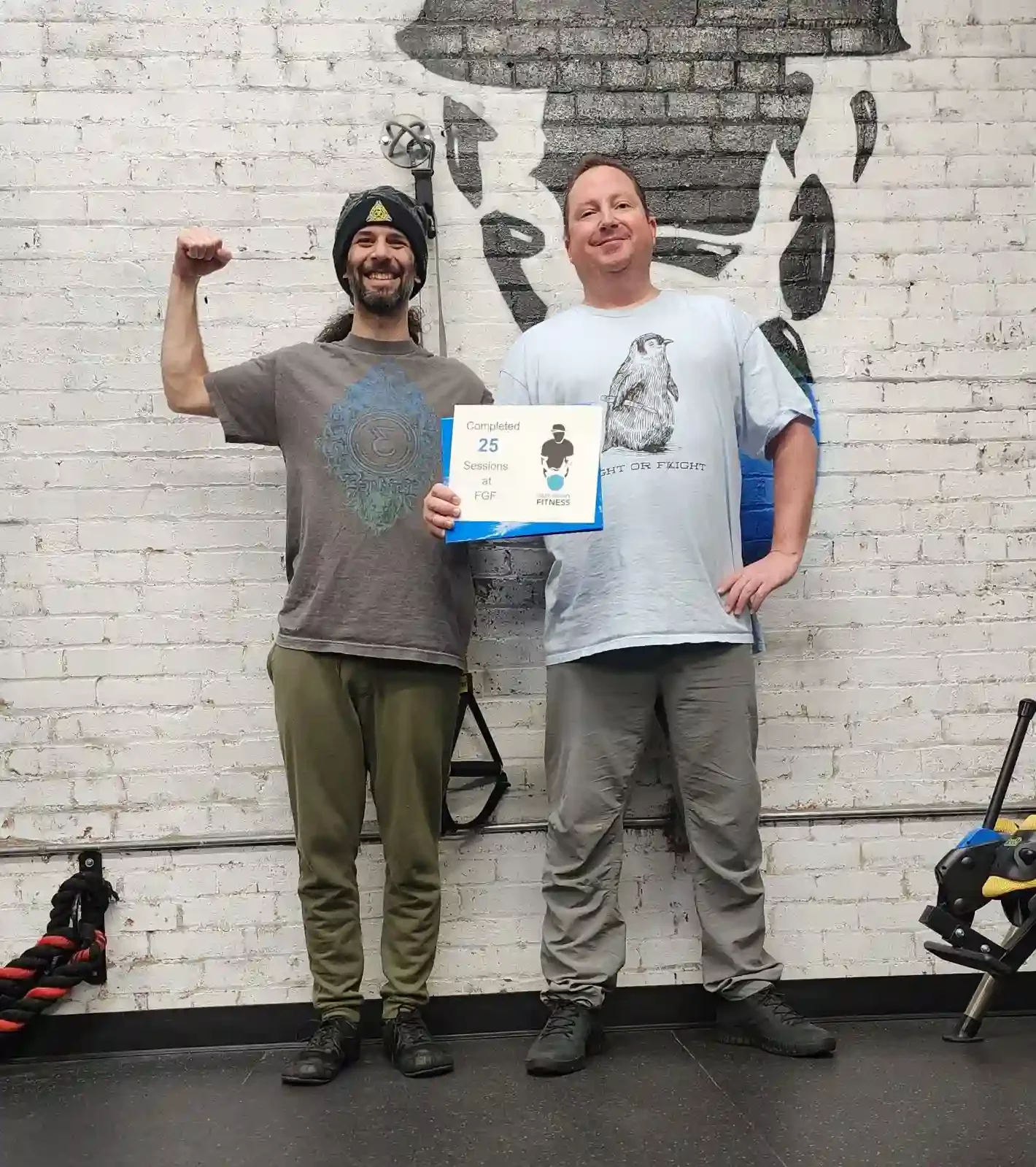
FGF’s Client
Success Stories
FAQs
What is the best nutrition strategy for busy professionals?
The best strategy is one that fits your schedule. Most professionals benefit from meal planning, prioritizing protein, staying hydrated, and keeping healthy snacks available.
How can I eat healthier without spending hours cooking?
Batch cooking, preparing ingredients ahead of time, and keeping convenient healthy options available can significantly reduce daily cooking demands.
Is meal prep necessary for healthy eating?
Not necessarily. Meal preparation helps many people stay consistent, but even simple planning can improve food choices.
How much water should professionals drink each day?
Hydration needs vary, but carrying a water bottle and drinking consistently throughout the day is a practical starting point.
Can nutrition coaching help with weight loss?
Yes. Nutrition coaching can provide accountability, structure, and personalized strategies that support sustainable weight management.
How important is protein for busy professionals?
Protein supports satiety, recovery, muscle maintenance, and energy levels, making it one of the most valuable nutrients for active professionals.
Conclusion
A successful Nutrition Program Denver professionals can sustain is not built around restrictive diets or unrealistic meal plans. The most effective strategies focus on consistency, preparation, and practical habits that fit real-world schedules. Small improvements such as prioritizing protein, staying hydrated, planning meals ahead of time, and keeping healthy snacks available can significantly improve energy, productivity, recovery, and long-term health.
Busy professionals often believe they need a perfect nutrition plan to see results. In reality, consistent execution of simple habits usually produces far better outcomes than constantly chasing complicated diets. Sustainable nutrition should support your career, family responsibilities, fitness goals, and overall quality of life.
At Fight Gravity Fitness, we help clients create realistic nutrition and fitness strategies that work within demanding schedules. By combining practical nutrition coaching with structured fitness programming, professionals can build habits that support lasting results without unnecessary complexity.

Nicholas Butler
Founder, Fight Gravity Fitness
Nick Butler is a passionate fitness professional who believes that better movement leads to a better life. As the founder of Fight Gravity Fitness, he specializes in helping busy professionals build strength, restore mobility, and enjoy an active, pain-free lifestyle. Nick holds certifications as a NASM Certified Personal Trainer, TRX Certified Instructor, Silver Sneakers Certified, and is CPR Certified. With years of experience and a focus on functional movement, Nick brings a supportive, practical approach to fitness that gets results without the hype.