First Day in the Gym Workout: A Simple 45 Minute Beginner Plan
Walking into a gym for the first time can feel intimidating. Rows of machines, free weights, and experienced lifters can make beginners wonder where to even start. The good news is that your first day in the gym workout does not need to be complicated to be effective. In fact, a simple plan focused on basic movements and proper form is the best way to build confidence and avoid injury.
Many people in active cities like Denver are trying the gym for the first time because they want to improve strength for outdoor activities like hiking in the Rocky Mountains, skiing in the winter, or cycling along the Cherry Creek Trail. A structured beginner gym workout plan can help you build the strength and endurance needed for these activities.
If you are unsure where to begin, working with a coach can also help simplify the process. Programs like personal training programs at Fight Gravity Fitness can guide beginners through safe and effective workouts that match their fitness level and goals.
Meet our Denver
Personal Trainers
TL;DR
A beginner friendly first day in the gym workout should focus on learning basic exercises, using light weights, and practicing proper form. A simple 45 minute workout that includes a warm up, full body strength exercises, and a cool down is enough to start building strength and confidence.
Key Takeaways
Your first gym workout should prioritize learning movements rather than lifting heavy weights.
A beginner gym workout plan should train the whole body.
Starting with a 45 minute workout keeps training manageable and effective.
Warm ups and cool downs help prevent injury.
Professional guidance can help beginners learn correct form and stay motivated.

What to Expect on Your First Day at the Gym
Walking into a gym for the first time can feel intimidating, but it is completely normal to feel that way. Almost everyone has experienced first-day nerves, whether they are starting their fitness journey for the first time or returning after months or even years away. The important thing to remember is that you do not have to know everything before you begin. Every experienced gym member was once a beginner, too.
One of the biggest misconceptions is that everyone in the gym is watching you. In reality, most people are focused on their own workout, tracking their progress, or simply trying to finish their session. Fitness communities are often much more welcoming than new members expect, and many people respect those who are taking the first step toward improving their health.
You also do not need to know how to use every piece of equipment on your first visit. Start with simple exercises using body weight, dumbbells, or basic machines that feel comfortable. As your confidence grows, you can gradually learn new movements and equipment without feeling rushed.
Instead of trying to have the perfect workout, focus on building the habit of showing up. Your first workout is not about lifting the heaviest weights or finishing the most challenging routine. It is about becoming familiar with the environment, learning proper movement patterns, and creating consistency. Every visit builds confidence, and every workout brings you one step closer to your goals.
If you feel unsure about where to begin, working with a personal trainer can remove much of the guesswork. A qualified trainer will teach proper technique, answer your questions, and create a personalized plan that helps you progress safely and confidently from day one.
First Day in the Gym Workout for Beginners
A simple first day in the gym workout can be completed in about 45 minutes and focuses on major muscle groups.
Warm Up (10 Minutes)
Start with light movement to increase your heart rate and prepare your muscles.
5 minutes walking on a treadmill or cycling
Arm circles and shoulder mobility drills
Bodyweight squats
Light stretching for hips and hamstrings
This warm up helps reduce injury risk and prepares your body for strength training.
Strength Training Circuit (25 Minutes)
Perform the following exercises in a circuit. Start with light weights and focus on good form.
Bodyweight squats3 sets of 10 repetitionsTargets legs and glutes.
Dumbbell chest press3 sets of 10 repetitionsBuilds chest and upper body strength.
Seated row machine3 sets of 10 repetitionsStrengthens the upper back and improves posture.
Dumbbell shoulder press3 sets of 10 repetitionsDevelops shoulder strength.
Plank hold3 sets of 20 secondsStrengthens the core and improves stability.
Rest for about 60 seconds between exercises.
Cool Down (10 Minutes)
Finish your workout with stretching and mobility exercises.
Hamstring stretch
Hip flexor stretch
Shoulder stretch
Deep breathing to slow your heart rate
Cooling down helps your body recover and improves flexibility.
Beginner Gym Equipment Explained
One of the biggest concerns for first-time gym members is knowing which equipment to use. The good news is that you do not need to learn every machine during your first workout. Focus on a handful of versatile pieces of equipment that allow you to practice safe, effective movements.
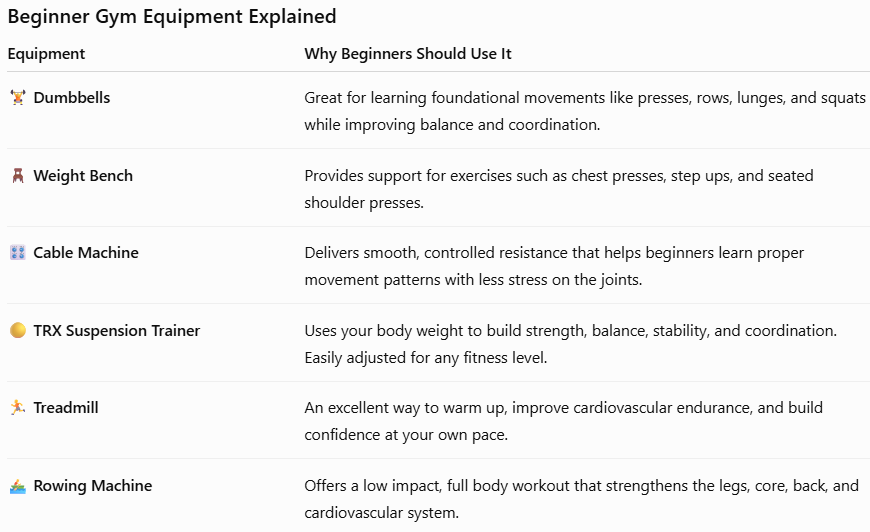
Pro Tip: You do not need to use every piece of equipment during your first visit. Start with a few basic movements, become comfortable with the environment, and add new exercises as your confidence grows.
“Proper technique will always outperform heavier weight. When you move well first, strength becomes the natural result.”
Beginner Gym Workout Plan for Your First Week
Following a beginner gym workout plan can help you stay consistent during your first week.
Day 1 Full Body Workout
Complete the 45 minute workout described above.
Day 2 Active Recovery
Take a light activity day. This could include walking, cycling, or mobility work.
Day 3 Strength and Core
Repeat the full body workout while focusing on improving your form and slightly increasing weight if comfortable.
The goal during your first week is to build the habit of showing up at the gym rather than pushing your limits.
Starting Your Fitness Journey in Denver
Beginning a fitness routine in Denver comes with a few unique advantages and challenges. At 5,280 feet above sea level, the city's elevation naturally places more demand on your cardiovascular system, which means your first few workouts may feel more challenging than expected. If you become winded more quickly or need longer rest periods, that is completely normal. Give your body time to adapt before increasing the intensity of your workouts.
One of the best ways to succeed is to focus on consistency instead of speed. Many beginners try to do too much during their first week, especially when they are motivated to make a change. Instead, concentrate on completing each workout with good form, staying active between training days, and gradually building endurance as your body adjusts to both exercise and Denver's altitude.
Hydration is another important part of exercising in Colorado. Denver's dry climate and higher elevation increase fluid loss, even during moderate activity. Drinking water before, during, and after your workout can improve performance, reduce fatigue, and support faster recovery. If you plan to exercise outdoors or spend time hiking after your gym session, staying hydrated becomes even more important.
Recovery does not have to happen inside the gym. One of the benefits of living in Denver is having easy access to parks, walking trails, and outdoor spaces that encourage movement. A light walk through Washington Park, Sloan's Lake, or along the Cherry Creek Trail after a workout can improve circulation, reduce muscle soreness, and help your body recover while allowing you to enjoy Colorado's active lifestyle.
Denver's changing seasons also make consistency especially important. Winter snow, summer heat, and busy holiday schedules can easily interrupt a new fitness routine. Rather than aiming for perfect workouts every week, focus on maintaining the habit of showing up. Even shorter workouts during busy seasons will help you continue building strength and confidence throughout the year.
Whether your goal is preparing for mountain hikes, improving everyday energy, or simply feeling healthier, taking a steady approach will help you build lasting fitness habits that fit both your lifestyle and Denver's unique environment.
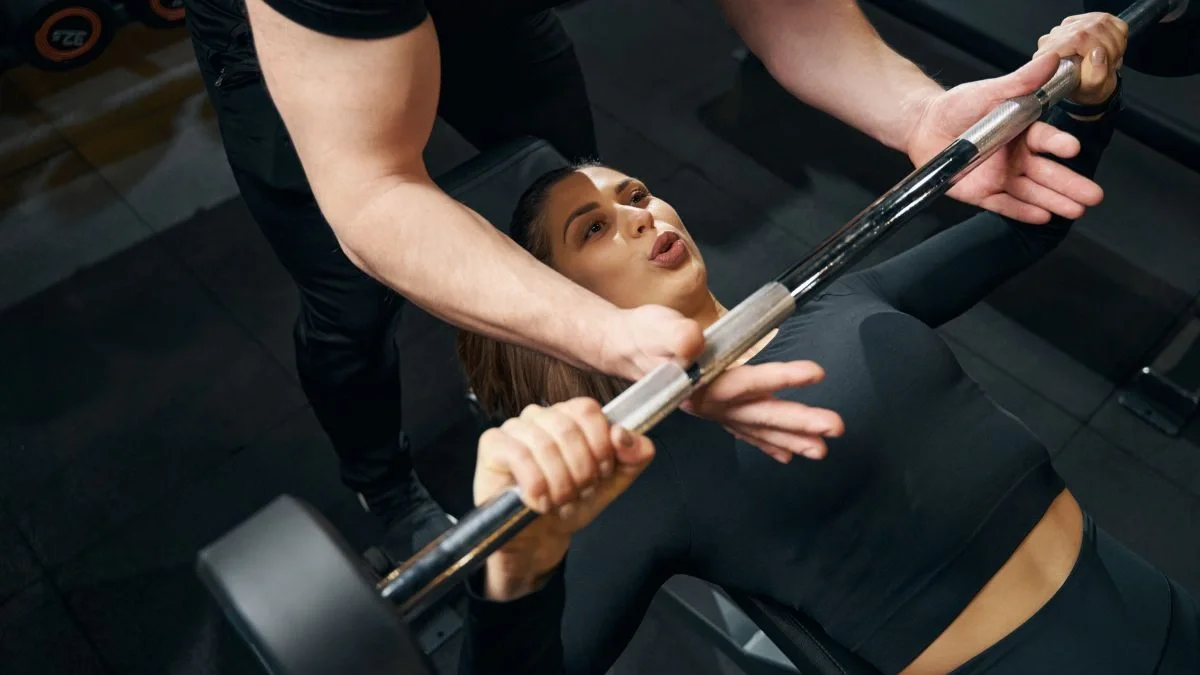
Common Beginner Gym Mistakes to Avoid
Many beginners make similar mistakes when they start training. Avoiding these can help you stay motivated and injury free.
Doing Too Much Too Soon
Trying to train too intensely in your first week can lead to excessive soreness and discouragement. Start gradually and allow your body to adapt.
Ignoring Proper Form
Exercise technique is far more important than lifting heavy weights. Learning proper form early will help prevent injuries later.
Skipping Warm Ups
Warming up prepares your muscles and joints for exercise. Skipping this step increases the risk of injury.
Comparing Yourself to Others
Everyone in the gym started somewhere. Focus on your own progress rather than comparing yourself to experienced lifters.
How Personal Training Helps Gym Beginners
Many beginners benefit from working with a trainer during their first few weeks at the gym. Trainers help remove confusion and provide guidance that accelerates progress.
If you are new to exercise, you may consider work with a personal trainer at Fight Gravity Fitness to learn proper technique and build a customized workout plan.
Personalized Workout Programs
Trainers design workouts that match your goals, fitness level, and physical limitations.
Accountability and Motivation
Having scheduled training sessions encourages consistency and helps beginners stay committed to their goals.
Injury Prevention
Trainers correct movement patterns and teach proper technique, reducing the risk of injury.
Professional guidance can make the transition into gym training much smoother and more enjoyable.
Top 3 Tips for Your First Day in the Gym
Start with Simple Movements
Compound exercises like squats, presses, and rows train multiple muscle groups and are ideal for beginners.
Keep Workouts Short and Structured
A focused 45 minute workout is more effective than wandering around the gym without a plan.
Focus on Consistency
The most important factor in fitness success is showing up regularly.
Saving these tips before your first gym visit can help you stay confident and prepared.
Conclusion
Your first day in the gym workout does not need to be complicated or intimidating. By focusing on basic exercises, learning proper form, and following a simple routine, you can build confidence and begin developing a sustainable fitness habit.
A structured beginner gym workout plan helps remove uncertainty and provides a clear path for progress. Whether your goal is improving strength, supporting outdoor activities around Denver, or simply building a healthier lifestyle, consistency will always be the key to success.
If you want additional guidance, exploring training programs at Fight Gravity Fitness can help you learn the fundamentals of strength training and build a plan designed for your goals.
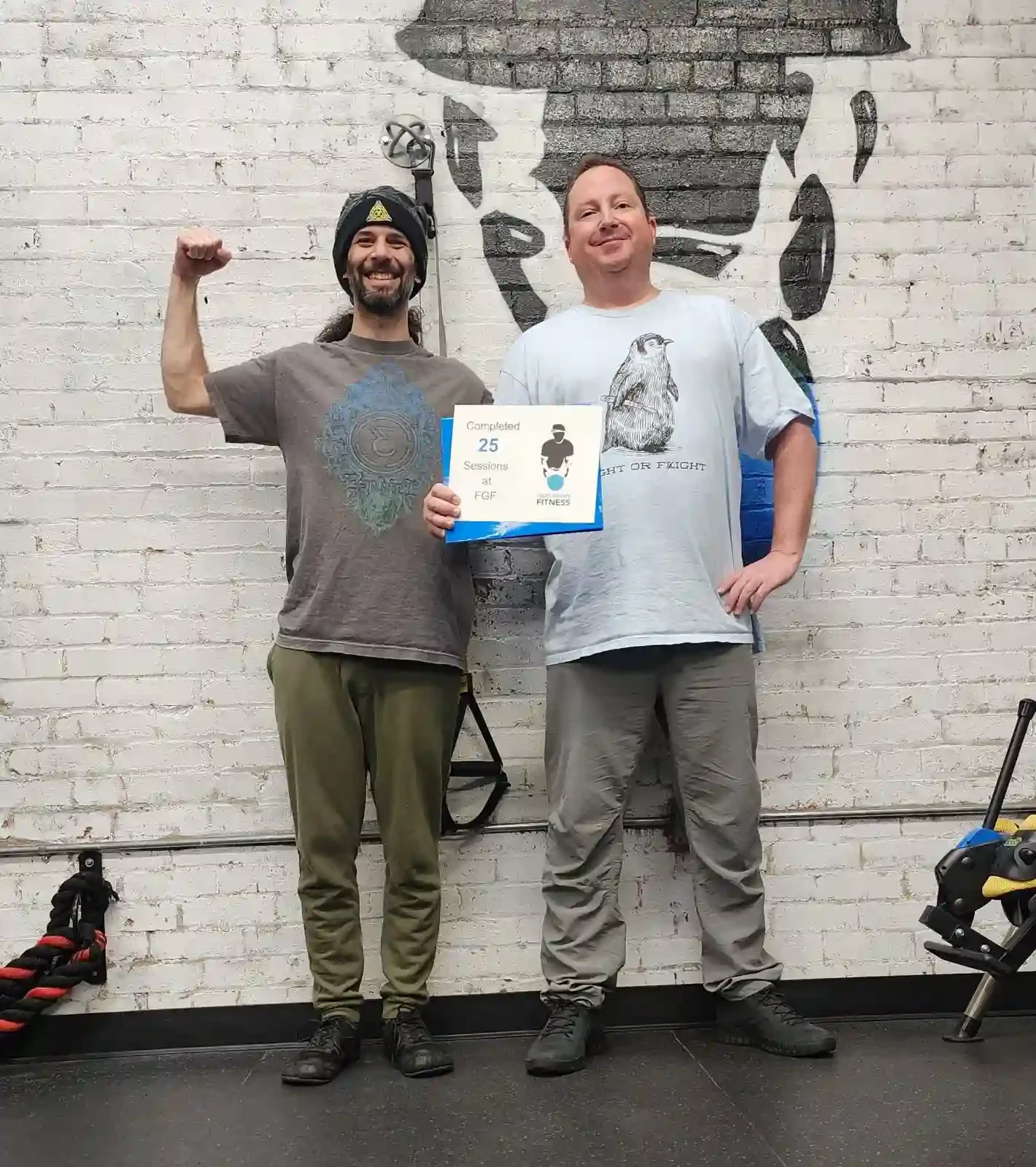
FGF’s Client
Success Stories
FAQs
What should I do on my first day in the gym?
Start with a simple workout that includes a warm up, full body strength exercises, and stretching.
How long should a beginner gym workout be?
A 45 minute workout is usually ideal for beginners because it provides enough time to train effectively without overwhelming the body.
What exercises should beginners start with?
Beginners should focus on foundational movements such as squats, presses, rows, and core exercises.
How many days per week should beginners go to the gym?
Two to three workouts per week is a good starting point for most beginners.
Is personal training helpful for beginners?
Yes. Personal trainers can teach proper form, design customized workouts, and help beginners stay consistent.

Nicholas Butler
Founder, Fight Gravity Fitness
Nick Butler is a passionate fitness professional who believes that better movement leads to a better life. As the founder of Fight Gravity Fitness, he specializes in helping busy professionals build strength, restore mobility, and enjoy an active, pain-free lifestyle. Nick holds certifications as a NASM Certified Personal Trainer, TRX Certified Instructor, Silver Sneakers Certified, and is CPR Certified. With years of experience and a focus on functional movement, Nick brings a supportive, practical approach to fitness that gets results without the hype.