Learning how to properly lift weights is one of the most important steps in building strength safely. Many beginners walk into a gym excited to start lifting but quickly feel overwhelmed by unfamiliar equipment and complex exercises. Without proper technique, it becomes easy to develop bad habits that slow progress or increase the risk of injury.
A structured weight lifting form guide helps beginners understand the fundamentals of safe strength training. Instead of focusing on lifting heavier weights immediately, beginners should focus on posture, movement control, and proper breathing.
In active cities like Denver, many people train in the gym to support outdoor activities such as hiking the Rocky Mountains, skiing in the winter, or biking along Cherry Creek Trail. Learning safe lifting techniques improves strength and endurance for these activities while reducing injury risk. Programs like personal training programs at Fight Gravity Fitness can also help beginners develop proper lifting mechanics and confidence in the gym.
Meet our Denver
Personal Trainers
The Quick Answer
Learning how to properly lift weights starts with choosing a manageable weight and learning each movement before adding more resistance. Keep your body controlled, maintain a stable position, use a comfortable range of motion, and avoid sacrificing technique just to complete more reps. Beginners should focus on basic strength exercises, increase weight gradually, and allow enough recovery between sessions. If your form starts to break down during a set, reduce the weight or stop the set rather than forcing additional repetitions.
Key Takeaways
Proper lifting form protects joints, muscles, and the spine.
Beginners should prioritize technique before increasing weight.
Controlled repetitions improve muscle engagement and safety.
Strength training consistency matters more than lifting heavier each session.
Professional coaching can help beginners learn proper lifting mechanics.
Why Proper Weight Lifting Form Matters
Proper weight lifting form helps you perform each exercise with greater control and directs the resistance toward the muscles you are trying to train. For beginners, learning good movement patterns before increasing weight creates a stronger foundation for long term progress.
Good technique does not mean every repetition has to look identical for every person. Body proportions, mobility, experience, and the exercise being performed can all affect how a movement looks. The goal is to use a stable, controlled technique that fits your body and allows you to train effectively.
Injury Prevention
Poor lifting technique can place unnecessary stress on muscles, joints, and connective tissue, especially when the weight is too heavy or movement becomes uncontrolled. Learning proper positioning and gradually increasing resistance can help reduce avoidable strain while building confidence under load.
For exercises such as squats, deadlifts, presses, and rows, focus on maintaining control throughout the movement rather than forcing your body into a position simply to complete the repetition.
Better Strength Development
Good technique helps you train the intended muscles more effectively. When a weight is too heavy, people often compensate by using momentum or changing their position to finish the repetition.
Using a manageable weight allows you to focus on the movement itself and gradually add resistance as your strength improves. This creates a more consistent path toward building strength than simply trying to lift heavier every workout.
Long Term Training Progress
Strength training is a long term process. Building reliable movement patterns early makes it easier to progress your exercises, repetitions, and resistance over time.
Your technique may also change as you become stronger and more experienced. Continue paying attention to movement quality as the difficulty increases, and reduce the weight when you can no longer complete repetitions with good control.
“Strength training isn’t about lifting the heaviest weight in the room. It’s about lifting with control, consistency, and purpose so your body gets stronger every time you train.”
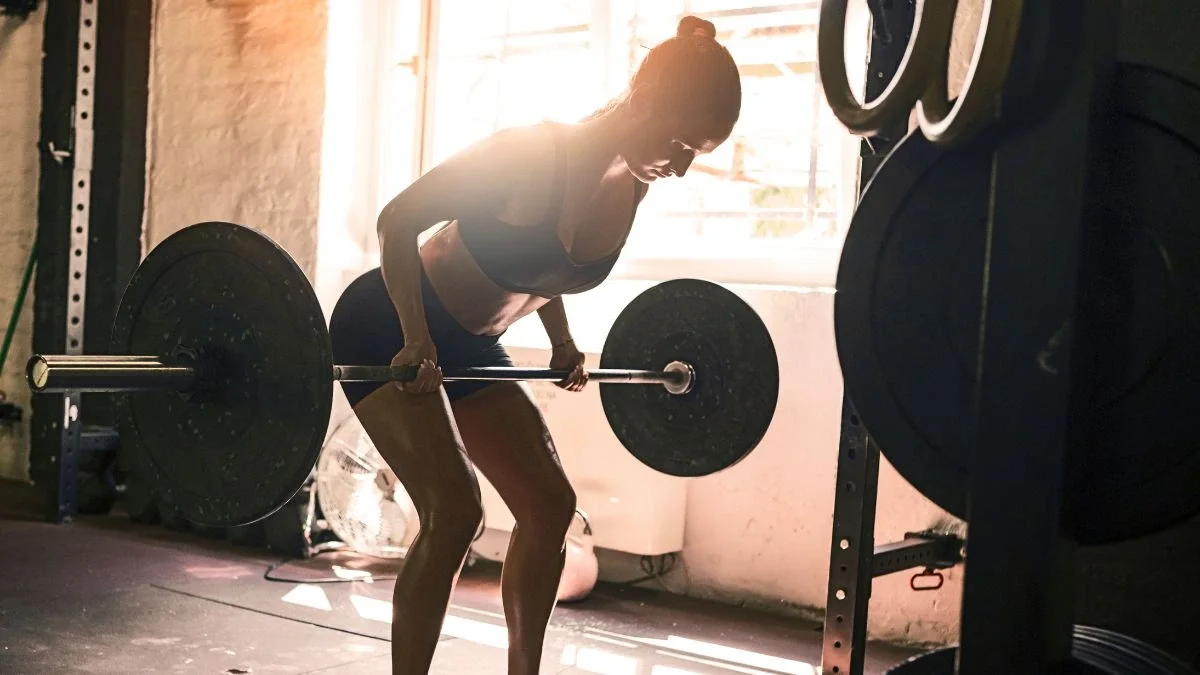
How to Properly Lift Weights with Safe Technique
A simple weight lifting form guide can help beginners learn proper strength training habits. These seven rules form the foundation of safe and effective lifting.
Rule 1: Start with Lighter Weights
Beginners should start with a weight they can control throughout the entire exercise. The goal is not to find the heaviest weight you can lift. It is to choose enough resistance to challenge your muscles without causing your technique to break down.
Practice the movement first and pay attention to how the final few repetitions feel. If you have to swing the weight, rush the movement, or significantly change your position to finish the set, the resistance may be too heavy.
Beginner Cue: Choose a weight that lets you complete every planned repetition with control. Increase resistance gradually as the movement becomes more comfortable.
Rule 2: Maintain a Stable Lifting Position
Your starting position creates the foundation for the rest of the exercise. Before beginning a repetition, establish a stable position and brace your body so you can control the resistance.
For exercises such as squats, rows, and deadlifts, avoid excessive rounding or arching of the back under load. Your exact position may vary depending on the exercise, your mobility, and your individual body structure.
Beginner Cue: Set your position before moving the weight. If you cannot maintain control as the exercise becomes more difficult, reduce the resistance and reset.
Rule 3: Control the Movement
Moving quickly is not automatically wrong, but beginners should first learn how to control the weight through each repetition. Avoid bouncing, swinging, or using momentum simply to finish the movement.
Pay particular attention to the lowering portion of an exercise. Do not let gravity take over. Maintain control as you return the weight to the starting position.
As your experience increases, repetition speed can change depending on the exercise and training goal.
Beginner Cue: You should feel like you are controlling the weight rather than the weight controlling you.
Rule 4: Use a Comfortable Range of Motion
Move through a range of motion that you can comfortably control. The appropriate range can vary based on the exercise, your mobility, previous injuries, and individual body structure.
For example, one person's squat depth may look different from another person's. Instead of forcing yourself into a particular position, focus on maintaining control and gradually improving your movement as appropriate.
As strength, mobility, and confidence improve, your usable range of motion may improve as well.
Beginner Cue: Never force additional range just to make an exercise look a certain way. Prioritize controlled, comfortable movement.
Rule 5: Focus on Breathing and Bracing
Breathing and core control work together during strength training. For many beginner exercises, exhaling during the more difficult portion of the movement and inhaling during the easier portion is a simple place to start.
As exercises become heavier or more advanced, breathing and bracing strategies may change. What matters for beginners is learning how to breathe while keeping the torso stable during each repetition.
Beginner Cue: Do not rush your breathing. Reset between repetitions when needed and focus on maintaining a stable position throughout the exercise.
Rule 6: Train Major Muscle Groups
A beginner strength program should develop the entire body rather than focusing only on favorite muscles. Compound movements are useful because they train several muscle groups and movement patterns at the same time.
A balanced program may include:
Squats or other lower body movements
Lunges or step ups
Chest presses or push ups
Rows or pulldowns
Shoulder presses
Core exercises
You do not need to perform every exercise during every workout. The goal is to build balanced strength across your major movement patterns over the course of your training week.
Beginner Cue: Build a strong foundation before worrying about highly specialized exercises.
Rule 7: Allow Recovery Between Sessions
Strength improves through a combination of training and recovery. Beginners do not need to intensely train the same muscles every day to make progress.
Two to three strength training sessions per week can be a practical starting point for many beginners. Your ideal schedule will depend on workout intensity, experience, goals, sleep, other physical activities, and how well you recover between sessions.
Pay attention to persistent soreness, declining performance, or unusual fatigue. These can be signs that your body needs additional recovery before another challenging workout.
Beginner Cue: Consistency does not mean training hard every day. Give your body enough time to recover so you can return ready for your next session.
How to Know If You're Lifting the Right Amount of Weight
Choosing the right weight is an important part of learning how to lift properly. The resistance should be challenging enough that you have to work, but manageable enough that you can maintain control throughout the set.
For beginners, start with a weight that allows you to complete your planned repetitions without significantly changing your technique. The last few repetitions may feel more difficult, but you should still be able to control the weight and maintain a stable lifting position.
Signs the Weight May Be Too Heavy
Consider reducing the resistance if you notice:
You have to swing or use momentum to move the weight
Your technique changes significantly during the set
You cannot control the lowering portion of the exercise
You shorten your normal range of motion just to finish the repetitions
You cannot complete the planned repetitions with control
A challenging set should require effort, but adding more weight is not helpful if it prevents you from performing the exercise properly.
When Should You Increase the Weight?
Once you can consistently complete your planned sets and repetitions with good control, you may be ready to increase the resistance.
Make a small increase rather than a large jump. After adding weight, pay attention to whether you can still maintain your technique throughout the set. If your form immediately breaks down, return to the previous resistance and continue building strength there.
There is no need to increase the weight every workout. Progress can also come from performing an exercise with better control, completing additional repetitions, improving your range of motion, or becoming more consistent with your training.
Beginner Cue: Use the lightest weight that provides an appropriate challenge while still allowing you to perform quality repetitions. Add resistance when you can do so without sacrificing control.
Beginner Exercises That Teach Proper Lifting Form
Beginners do not need complicated exercises to learn how to lift weights properly. A few basic movements can help you practice body positioning, control, stability, and coordination before progressing to more challenging variations.
Start with a resistance or variation you can comfortably control. The goal is to practice quality repetitions rather than make every exercise as difficult as possible.
Squats
Squats help develop lower body strength while teaching you how to coordinate the hips, knees, ankles, and core during a loaded movement.
How to do it: Stand with your feet in a comfortable position. Brace your core, bend at the hips and knees, and lower yourself as far as you can comfortably control. Push through your feet to return to standing.
Form Cue: Keep your feet planted and allow your knees to track naturally in the same general direction as your toes.
Common Mistake: Adding weight before you can consistently control the lowering and standing portions of the movement.
When to Add Weight: Increase resistance when you can complete your planned repetitions with a stable position and consistent movement.
Dumbbell Chest Press
The dumbbell chest press develops the chest, shoulders, and triceps while helping beginners learn how to control resistance with each arm.
How to do it: Lie on a bench with your feet supported. Hold a dumbbell in each hand near chest level. Press the dumbbells upward with control, then gradually lower them back toward the starting position.
Form Cue: Keep your shoulders stable against the bench and control both the pressing and lowering portions of the exercise.
Common Mistake: Using weights that are too heavy and allowing the dumbbells to drop quickly during the lowering portion.
When to Add Weight: Increase resistance when you can complete each repetition without losing control or significantly changing your position.
Bent Over Rows
Bent over rows strengthen the back and arms while teaching you to maintain a stable torso as you move resistance.
How to do it: Hold the weight with your hips pushed back and your torso in a stable position. Pull the weight toward your torso, pause briefly, and lower it with control.
Form Cue: Keep your torso steady and think about pulling your elbows back rather than simply lifting the weight with your hands.
Common Mistake: Using momentum by repeatedly raising and lowering the torso to move heavier weight.
When to Add Weight: Add resistance once you can perform the row without swinging your torso or losing your starting position.
Planks
Planks are not a traditional weight lifting exercise, but they can help beginners develop the core stability needed for many strength training movements.
How to do it: Position yourself on your forearms and toes, or use an elevated surface if needed. Maintain a stable position from your shoulders through your hips and hold while breathing normally.
Form Cue: Brace your midsection while continuing to breathe rather than holding your breath throughout the exercise.
Common Mistake: Allowing the hips to drop or holding the plank longer than you can maintain a controlled position.
When to Progress: Once you can maintain a stable plank comfortably, progress by increasing the duration gradually or using a more challenging variation.

Common Weight Lifting Mistakes Beginners Make
Learning proper lifting technique also means recognizing habits that can make exercises harder to control. Beginners often make these mistakes because they are focused on completing the workout or increasing weight too quickly. Correcting them early can help you build better training habits.
Lifting Too Heavy Too Soon
It can be tempting to increase the weight quickly, especially when you see more experienced people lifting heavier loads. But adding resistance before you can control the movement often causes technique to break down.
Start with a manageable weight and increase it gradually as your strength and confidence improve.
Using Momentum to Move the Weight
Swinging, bouncing, or rapidly changing your body position can make it easier to complete a repetition, but it may also shift work away from the muscles you are trying to train.
If you need significant momentum to finish your repetitions, reduce the resistance and focus on controlling the movement.
Sacrificing Form for More Reps
Completing every planned repetition is not more important than maintaining good technique. As you become tired, your movement may begin to change.
If you can no longer complete the exercise with reasonable control, stop the set, rest, or reduce the resistance. Quality repetitions are more useful than forcing additional reps with poor technique.
Skipping the Warm Up
A warm up can help prepare your body for the movements you are about to perform. It does not need to be long or complicated.
Depending on the workout, your warm up might include light cardiovascular activity, dynamic movements, or lighter versions of the exercises you plan to perform.
Ignoring Mobility Limitations
Your available mobility can influence how you perform exercises such as squats, presses, and lunges. Instead of forcing yourself into a position you cannot comfortably control, adjust the exercise to match your current ability.
Mobility can be developed over time, and exercises can often be modified while you work on improving your movement.
Copying Advanced Lifters
An exercise that works well for an experienced lifter may not be the best starting point for a beginner. Advanced exercises may require greater strength, coordination, mobility, or technical experience.
Focus on movements that match your current ability and goals. You can progress to more complex exercises as your foundation improves.
Not Allowing Enough Recovery
More training is not always better. Strength workouts create fatigue, and your body needs adequate recovery between challenging sessions.
Your recovery needs depend on factors such as training intensity, sleep, experience, and other physical activities. If you are consistently fatigued or your performance is declining, consider adjusting your training volume or allowing more time between difficult sessions.
Weight Training for an Active Denver Lifestyle
Strength training can support many of the activities that make an active lifestyle in Denver and Colorado unique. Hiking, skiing, cycling, running, and other outdoor activities require different combinations of lower body strength, core stability, balance, and muscular endurance.
A well rounded strength program can help you build the physical capacity needed for those activities while also supporting everyday movement. The goal is not simply to lift heavier weights in the gym. Your training should reflect what you want your body to be able to do outside of it.
For someone preparing for hiking or skiing, that may mean emphasizing leg strength, single leg stability, and core control. Cyclists and runners may benefit from strength work that complements the repetitive demands of their sport. Other people may simply want to feel stronger and more capable during daily activities.
At Fight Gravity Fitness, our Denver personal training programs are built around the individual. Exercises, resistance, and progression can be adjusted based on your current fitness level, movement ability, goals, and the activities you want to continue enjoying.
How Personal Training Helps You Lift Weights Safely
Learning strength training on your own can be challenging because it is not always easy to recognize when your technique, resistance, or exercise selection needs to change. A personal trainer can provide real time feedback while helping you build a program around your current ability and goals.
At Fight Gravity Fitness, personal training is individualized rather than based on a one size fits all workout. Your coach can evaluate how you perform different movements, select appropriate starting exercises and resistance, and adjust your program as your strength and confidence improve.
Learn Proper Exercise Technique
A trainer can demonstrate exercises and watch how you perform each repetition. Instead of simply telling you whether your form is right or wrong, a coach can provide specific cues to help you improve your positioning, control, and movement.
Exercises can also be modified when a particular variation does not fit your current strength, mobility, or experience level.
Choose the Right Starting Weight
Beginners often struggle with knowing how much weight to use. A trainer can help you select resistance that provides an appropriate challenge while still allowing you to maintain control.
As you become stronger, your trainer can determine when it makes sense to add weight, increase repetitions, change the exercise, or progress to a more challenging variation.
Build a Program Around Your Goals
Strength training should reflect what you are working toward. Someone training to become stronger for hiking or skiing may need a different program than someone focused on general fitness, mobility, or building confidence in the gym.
A personalized program allows exercises, training frequency, and progression to be adjusted around your goals and current fitness level.
Adjust Training When Something Does Not Feel Right
Not every exercise works equally well for every person. If a movement causes discomfort or you cannot perform it with good control, a trainer can adjust the exercise, resistance, range of motion, or variation.
Persistent or significant pain should not simply be trained through. A qualified healthcare professional may be appropriate when symptoms require evaluation beyond a personal trainer's scope.
Stay Accountable and Track Progress
Consistent training is one of the most important parts of getting stronger. Regular sessions provide structure while giving you an opportunity to track improvements in technique, repetitions, resistance, and overall strength.
Progress does not have to mean adding more weight every workout. Better movement control, improved consistency, greater confidence, and gradually increasing training capacity are all meaningful signs of progress.
If you want hands-on guidance while learning how to lift weights, Fight Gravity Fitness offers one on one personal training in a private Denver studio. Your training can be customized around your experience, goals, and the activities you want to become stronger for.
Conclusion
Learning how to properly lift weights is not about mastering every exercise or lifting as much weight as possible. Start by learning basic movement patterns, choosing manageable resistance, and performing each repetition with control.
As your technique and strength improve, gradually increase the challenge. That might mean adding weight, completing more repetitions, improving your range of motion, or progressing to a more challenging exercise. Consistent progress matters more than rushing to lift heavier.
If you are new to strength training or want help improving your lifting technique, Fight Gravity Fitness provides personalized coaching based on your experience, goals, and current ability. Our Denver studio offers one on one personal training in a private space where you can learn proper technique, build strength, and progress with guidance from an experienced coach.
FGF’s Client
Success Stories
FAQs
How do beginners properly lift weights?
Beginners should start with manageable resistance and focus on controlled movement before increasing weight. Learn the basic exercise pattern, maintain a stable position, use a comfortable range of motion, and stop the set when you can no longer maintain good control.
How do I know if I'm lifting weights correctly?
You should be able to control the weight throughout the exercise without excessive swinging, bouncing, or significantly changing your position to finish a repetition. If you are unsure about your technique, working with a personal trainer can provide real time feedback and corrections.
How heavy should beginners lift?
Choose a weight that feels challenging but still allows you to complete your planned repetitions with control. If your technique breaks down before the end of the set, reduce the resistance. There is no single starting weight that is appropriate for every beginner.
When should I increase the weight?
Consider increasing the resistance when you can consistently complete your planned sets and repetitions with good control. Make small increases and make sure you can maintain your technique after adding weight.
How many reps should beginners do?
There is no single repetition range that works for every exercise or goal. Beginners can use moderate repetition ranges while learning technique, but the appropriate number of reps depends on the exercise, resistance, training goal, and individual ability. Focus first on completing quality repetitions with a manageable weight.
How many days per week should beginners lift weights?
Two to three strength training sessions per week can be a practical starting point for many beginners. Your training frequency should also account for workout intensity, recovery, other physical activities, and your individual goals.
Should beginners use machines or free weights?
Both can be useful. Machines can provide a more guided movement and may make certain exercises easier to learn. Free weights can help develop strength, coordination, and control through a wider variety of movements. A beginner strength program can include both depending on the person's goals and experience.
Is soreness normal after lifting weights?
Some muscle soreness can occur after strength training, especially when you are new to exercise or introduce unfamiliar movements. Soreness is not required for a productive workout. Significant, sharp, or persistent pain should not simply be ignored or trained through.
What should I do if my lifting form starts to break down?
Stop the set, rest, or reduce the resistance. Technique often changes as fatigue increases, and forcing additional repetitions is not necessary. Resume when you can perform the movement with reasonable control.
Can a personal trainer help improve my lifting technique?
Yes. A personal trainer can demonstrate exercises, observe your movement, provide technique cues, help select appropriate resistance, and modify exercises based on your current ability and goals.

Nicholas Butler
Founder, Fight Gravity Fitness
Nick Butler is a passionate fitness professional who believes that better movement leads to a better life. As the founder of Fight Gravity Fitness, he specializes in helping busy professionals build strength, restore mobility, and enjoy an active, pain-free lifestyle. Nick holds certifications as a NASM Certified Personal Trainer, TRX Certified Instructor, Silver Sneakers Certified, and is CPR Certified. With years of experience and a focus on functional movement, Nick brings a supportive, practical approach to fitness that gets results without the hype.