Personal Trainer Stretching Sessions: Why Guided Mobility Beats Random Stretching
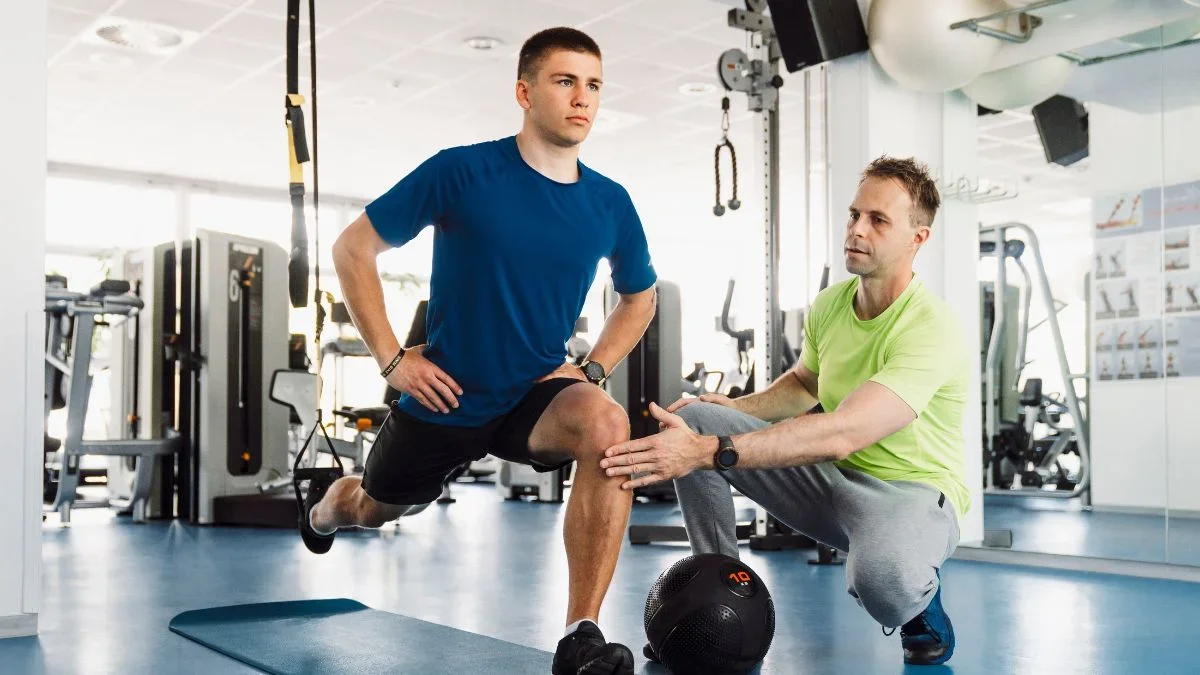
Stretching is something most people know they should do, yet few feel confident they’re doing it correctly. Many stretch sporadically after workouts, follow random online routines, or hold the same stretches they learned years ago. While this may provide temporary relief, it rarely leads to lasting improvements in mobility, posture, or comfort.
This is where personal trainer stretching sessions make a real difference. Guided mobility work goes beyond simply pulling on tight muscles. It addresses how your body actually moves, why certain areas feel restricted, and how to build a usable range of motion that supports strength and everyday life.
At Fight Gravity Fitness, stretching is not treated as an afterthought. It’s integrated into a personalized training approach that helps clients move better, feel stronger, and reduce the aches that come from modern lifestyles.
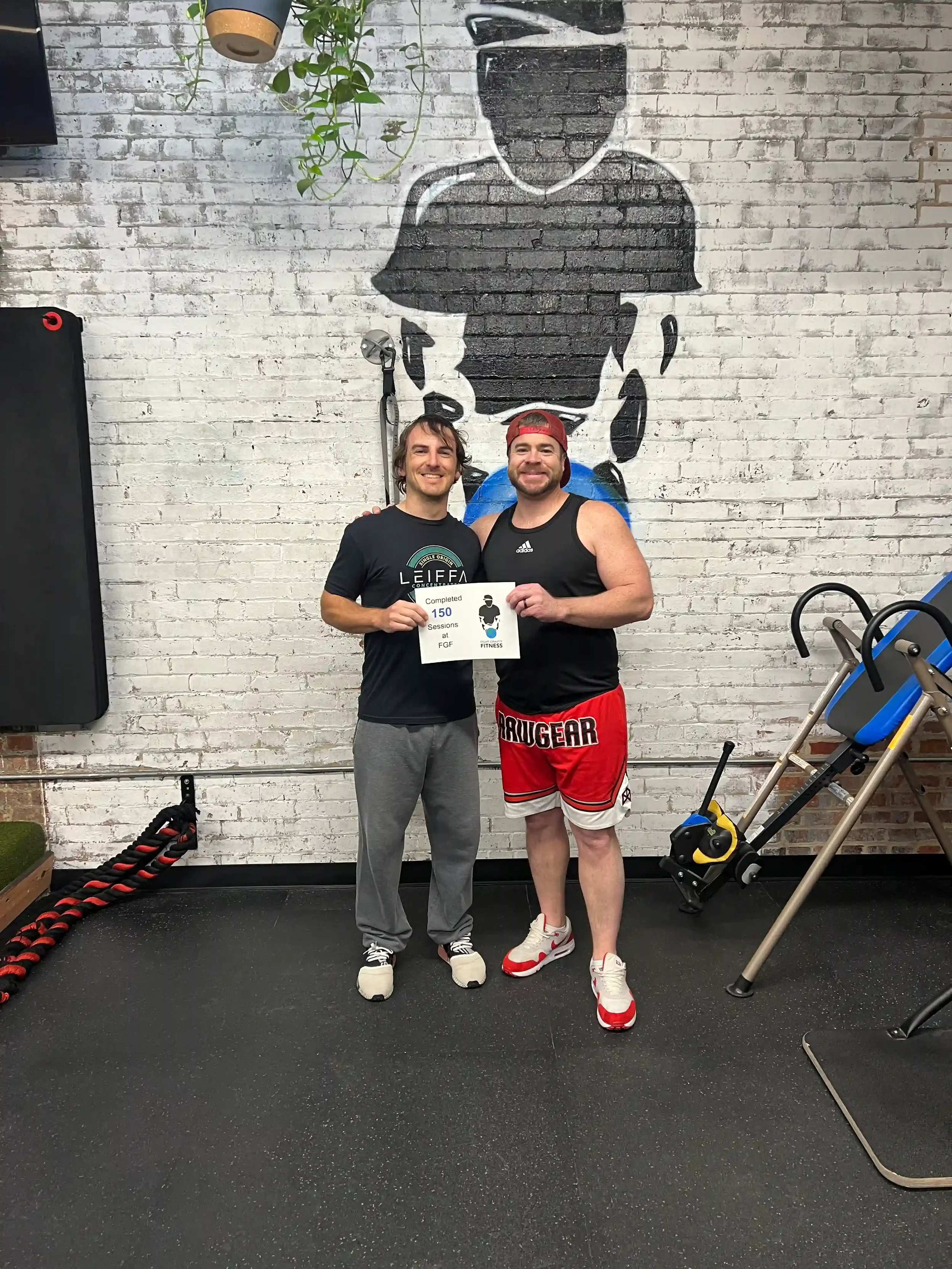
Meet our Denver
Personal Trainers
TL;DR
Random stretching often feels good in the moment but fails to create lasting mobility changes. Personal trainer stretching sessions are guided, individualized, and progression-based, helping you improve flexibility, posture, and movement quality while reducing injury risk. Learn how guided mobility fits into a complete training plan at Denver Private Personal Training.
Key Takeaways
Random stretching rarely addresses individual movement limitations.
Personal trainer stretching sessions are tailored to your posture, mobility, and goals.
Guided mobility improves strength, joint health, and long-term flexibility.
Proper cueing and progression reduce the risk of overstretching or injury.
Stretching is most effective when paired with strength and movement training.
“A private gym isn’t just about better equipment, it’s about creating an environment where your goals are the focus, distractions disappear, and progress becomes inevitable”
The Problem with Random Stretching
Many people stretch without a clear plan. They target areas that feel tight, hold stretches for arbitrary lengths of time, and hope flexibility improves over time. While this approach may provide short-term relief, it often fails to address the root cause of stiffness.
One major issue with random stretching is that tightness is not always a flexibility problem. In many cases, it is a stability or strength issue. When joints lack control or muscles are weak, the body creates tension as a protective mechanism. Stretching those areas without improving stability can actually make the problem worse.
Another common issue is lack of progression. Stretching the same way for months without adapting intensity, position, or load leads to plateaus. Without progression, the body has no reason to adapt.
This is why so many people say stretching “does not work” for them. The problem is not stretching itself. It is the absence of structure, assessment, and guidance.
What Personal Trainer Stretching Sessions Really Are
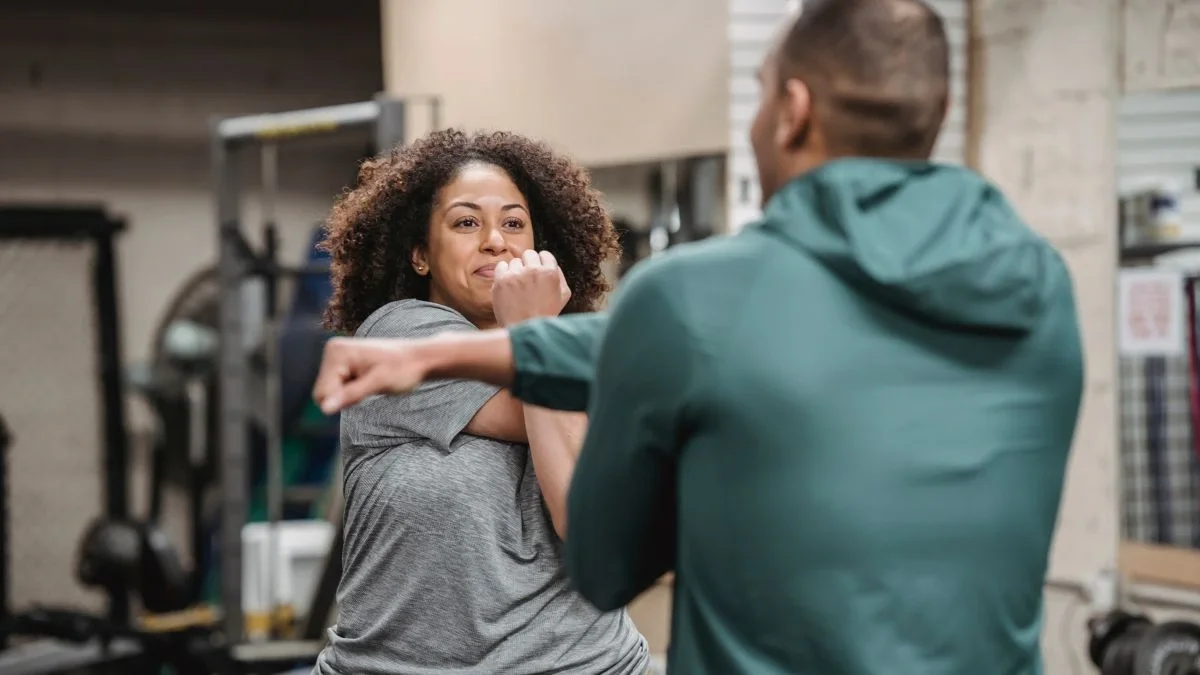
A personal trainer stretching session is not simply a longer warm-up or a passive stretching routine. It is a guided mobility experience built around how your body moves and where you need improvement.
During these sessions, a trainer assesses posture, joint range of motion, and movement patterns. This helps identify restrictions that impact daily activities, workouts, or recovery. Based on this assessment, the trainer selects specific mobility drills and stretches designed for your body.
These sessions often include a combination of:
Active stretching that builds strength at end ranges
Assisted stretching with proper alignment and cueing
Mobility drills that improve joint control
Breathing techniques that help reduce unnecessary tension
Every movement has intent. Nothing is random. Over time, these sessions progress as your mobility improves, ensuring continued adaptation.
Guided Mobility Compared to Stretching on Your Own
Customization Based on Your Body
One of the biggest advantages of personal trainer stretching sessions is customization. Two people may feel tight in the hips for completely different reasons. A trainer identifies whether the limitation comes from poor hip control, restricted ankles, weak core stability, or compensations elsewhere.
This individualized approach ensures time is spent on what actually matters for you.
Proper Technique and Cueing
Stretching incorrectly can reduce its effectiveness or increase injury risk. Trainers provide cues for positioning, breathing, and tension management. Small adjustments can dramatically change how a stretch feels and how well it works.
Progression Over Time
Guided mobility follows a progression. As your range improves, exercises evolve to reinforce new positions with strength and control. This helps lock in flexibility gains rather than losing them between sessions.
Integration with Strength Training
Mobility that is not supported by strength often disappears. Personal trainers integrate stretching with strength training so your body learns to use new ranges of motion under load. This leads to lasting improvements instead of temporary flexibility.
The Real Benefits of Guided Stretching
Personal trainer stretching sessions offer benefits that go far beyond feeling looser.
Improved joint health is one of the biggest advantages. Mobility work supports smoother joint mechanics, which reduces wear and tear over time.
Posture often improves as well. Tight hips, shoulders, and upper back muscles contribute to poor posture. Guided mobility helps restore balance and alignment.
Many clients notice fewer aches and less chronic tightness. This is especially common for desk workers who sit for long hours.
Performance also improves. Better mobility allows for deeper squats, stronger pulls, and smoother movement patterns.
As Fight Gravity Fitness founder Nicholas Butler explains, strength is important, but strength without mobility limits how well you can use it. Guided mobility ensures your body can access its full potential.
Who Benefits Most from Personal Trainer Stretching Sessions
Guided stretching is valuable for a wide range of individuals.
Desk workers often struggle with stiffness in the hips, neck, and upper back. Personalized mobility helps counteract prolonged sitting.
Athletes and active individuals benefit from improved range of motion and reduced injury risk.
Beginners often lack confidence in how to stretch safely. Working with a trainer removes guesswork and builds proper habits.
Clients returning from injury benefit from controlled mobility work that respects healing tissues.
Adults focused on long-term health use stretching sessions to maintain mobility and independence as they age.
Private training environments make this process more effective by allowing focused attention and individualized pacing.

Why Stretching Should Not Stand Alone
Stretching alone rarely fixes movement problems. Mobility must be paired with strength and stability to create lasting change.
For example, stretching the hips without strengthening the glutes and core often leads to recurring tightness. Guided programs integrate mobility with strength exercises that support new ranges of motion.
At Fight Gravity Fitness, stretching is part of a complete training system. Sessions are designed to support workouts, daily movement, and recovery. This approach ensures flexibility gains translate into better performance and comfort.
If you are curious how this fits into a complete plan, exploreDenver Private Personal Training.
How to Choose the Right Personal Trainer Stretching Sessions
Not all guided mobility programs are the same. Look for trainers who prioritize assessment and movement education.
An effective program should focus on active mobility rather than passive stretching alone. It should include clear goals and measurable progress.
Trainers should explain why each stretch is being used and how it connects to your movement patterns.
A clean, private environment helps maintain focus and safety. Distractions make it harder to execute mobility work correctly.
Choosing the right professional ensures stretching becomes a tool for long-term improvement, not a temporary fix.
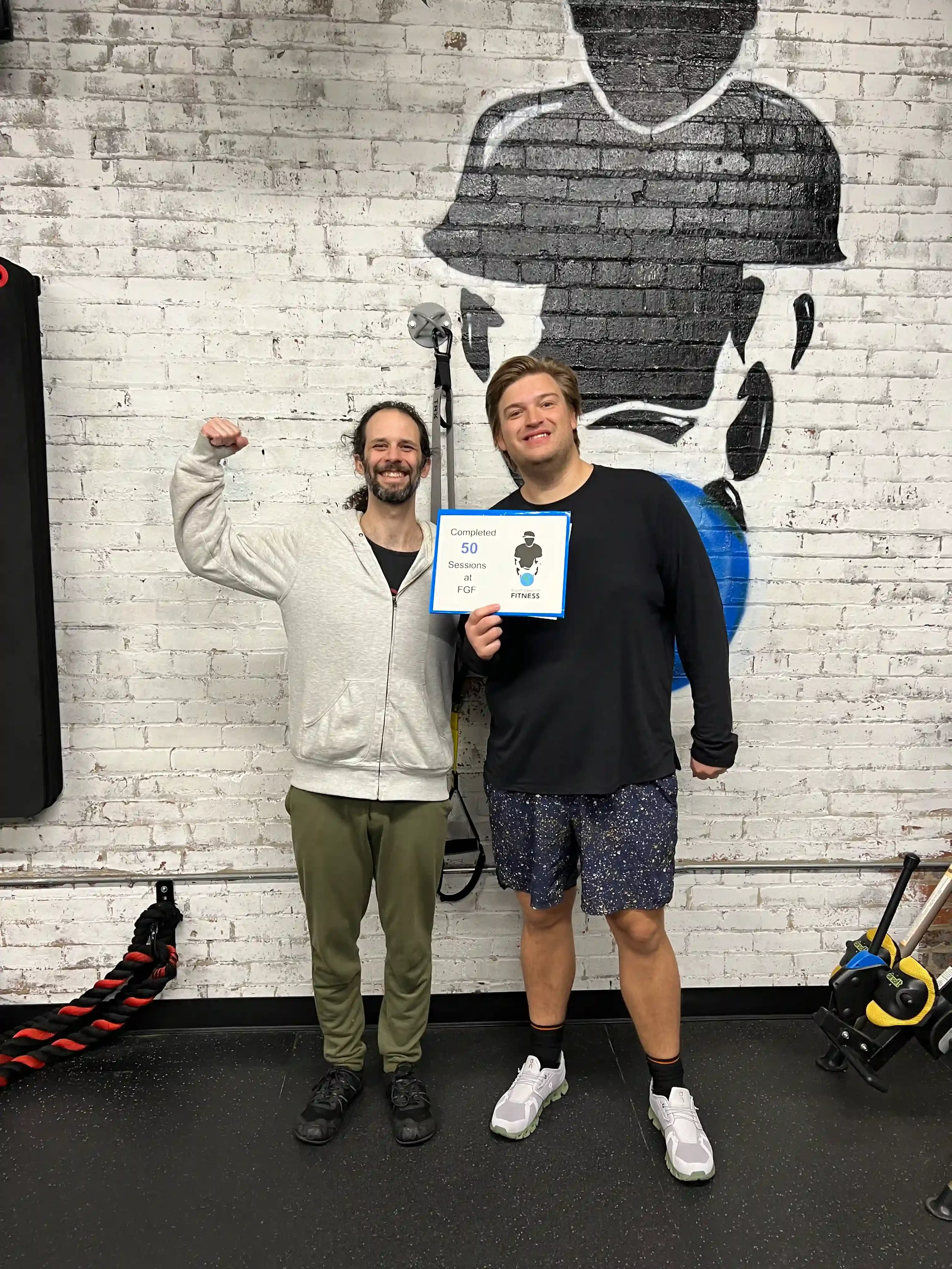
FGF’s Client
Success Stories
FAQs
What’s the difference between stretching and mobility training?
Stretching focuses on lengthening muscles, while mobility training improves control and strength through a full range of motion. Mobility produces more lasting results.
How often should I do personal trainer stretching sessions?
Most people benefit from one to two guided sessions per week, combined with simple homework between sessions.
Can stretching help reduce pain and stiffness?
Yes, when done correctly. Guided stretching addresses the underlying movement issues that contribute to chronic tightness and discomfort.
Is guided stretching safe for beginners?
Absolutely. Personal trainers scale mobility work based on experience, limitations, and comfort level.
Should stretching be done before or after workouts?
Both can be effective when used appropriately. Trainers determine the right timing based on your goals and training structure.
Conclusion
Stretching does not have to be random or ineffective. Personal trainer stretching sessions offer a structured, personalized approach to mobility that delivers real results. By addressing how your body moves and pairing flexibility with strength, guided mobility helps you move better, feel stronger, and reduce unnecessary pain.
If you‘re ready to stop guessing and start improving how your body moves, explore how guided mobility fits into a complete program atDenver Private Personal Training.

Nicholas Butler
Founder, Fight Gravity Fitness
Nick Butler is a passionate fitness professional who believes that better movement leads to a better life. As the founder of Fight Gravity Fitness, he specializes in helping busy professionals build strength, restore mobility, and enjoy an active, pain-free lifestyle. Nick holds certifications as a NASM Certified Personal Trainer, TRX Certified Instructor, Silver Sneakers Certified, and is CPR Certified. With years of experience and a focus on functional movement, Nick brings a supportive, practical approach to fitness that gets results without the hype.