How Protein Helps Fat Loss
Introduction
Protein Intake for Fat Loss is one of the most important nutrition strategies for anyone trying to lose body fat without sacrificing muscle or energy. While countless diets promise quick results, protein consistently stands out because it helps control hunger, supports muscle preservation, and improves recovery from exercise. Whether your goal is losing a few pounds or making a complete lifestyle change, increasing your protein intake can make the process more manageable and sustainable.
At Fight Gravity Fitness, we believe successful fat loss comes from building habits that fit real life instead of chasing temporary solutions. Through personalized fitness coaching, clients learn how nutrition and exercise work together to improve body composition while maintaining strength and performance. Rather than relying on restrictive eating plans, our coaching focuses on practical nutrition habits that busy professionals can maintain long after they reach their goals.
Many people think losing fat means eating as little as possible. In reality, the quality of your nutrition often matters more than simply reducing calories. Protein helps your body perform better during workouts, recover more efficiently afterward, and remain satisfied between meals. These benefits make it easier to maintain a calorie deficit naturally instead of constantly feeling hungry.
The science supports this approach. Research consistently shows that diets higher in protein can improve satiety, preserve lean muscle during weight loss, and increase the amount of energy your body uses to digest food. Those combined benefits create an environment where fat loss becomes easier to sustain over time rather than feeling like a constant battle. The competitor article reinforces these concepts through research on appetite regulation, metabolism, and muscle preservation, but the focus of this guide is applying those principles in practical ways that fit everyday life.
Meet our Denver
Personal Trainers
TL;DR
Eating more protein can make fat loss easier by helping you stay full longer, preserving lean muscle during a calorie deficit, supporting recovery from strength training, and slightly increasing the number of calories your body burns through digestion. Instead of viewing protein as another diet trend, think of it as a foundational nutrient that supports long-term health, performance, and sustainable weight management.
Key Takeaways
Protein helps reduce hunger between meals.
Higher protein intake supports muscle preservation during weight loss.
Digestion of protein requires more energy than carbohydrates or fats.
Strength training and protein work best together.
Balanced meals improve consistency more than restrictive dieting.
Fat loss is more sustainable when healthy habits replace temporary diets.
Protein should be distributed throughout the day instead of consumed in one large meal.
Why Protein Is So Important for Fat Loss
Most people immediately think about calories when they begin trying to lose weight. Calories certainly matter, but the foods those calories come from influence how hungry you feel, how much energy you have, and how successful you'll be over the long term.
Protein is unique because it supports several aspects of fat loss simultaneously.
Protein Helps You Feel Full Longer
One of the biggest reasons diets fail is constant hunger.
Highly processed foods digest quickly, causing blood sugar to rise and fall rapidly. That cycle often leads to cravings only a short time after eating.
Protein slows digestion and increases feelings of fullness after meals.
Instead of reaching for snacks every hour, meals built around lean protein often provide longer-lasting satisfaction.
Examples include:
Grilled chicken
Turkey breast
Eggs
Greek yogurt
Cottage cheese
Fish
Lean beef
Tofu
Lentils
Black beans
Making protein the centerpiece of each meal naturally reduces the temptation to overeat later in the day.
Protein Supports Better Food Choices
People often assume they need tremendous willpower to lose fat.
In reality, reducing hunger makes healthy decisions much easier.
When you're satisfied after eating, you're less likely to grab candy from the office break room or stop for fast food on the drive home.
That consistency becomes far more valuable than relying on motivation alone.
“Your environment plays a major role in your success. When you surround yourself with opportunities to stay active, consistency becomes easier.”
Protein Helps Preserve Muscle During Weight Loss
One of the biggest mistakes people make during weight loss is focusing only on losing pounds.
Your goal should be losing body fat while maintaining as much lean muscle as possible.
Without enough protein, your body may break down muscle tissue during prolonged calorie restriction.
Why Muscle Matters
Muscle does much more than improve appearance.
Lean muscle contributes to:
Better posture
Improved mobility
Greater strength
Better athletic performance
Higher daily energy expenditure
Improved functional movement
The more muscle you preserve while losing fat, the healthier and stronger you'll feel once you reach your goal weight.
This is one reason strength training is emphasized at Fight Gravity Fitness alongside nutrition coaching.
Clients are encouraged to focus on body composition instead of simply watching the scale.
Strength Training and Protein Work Together
Nutrition alone cannot build muscle.
Likewise, exercise alone cannot maximize muscle retention without proper nutrition.
Combining resistance training with adequate protein creates the strongest environment for maintaining lean muscle during fat loss.
Many clients notice that while the scale may move more slowly, their clothes fit better, their posture improves, and everyday tasks become easier because they are preserving strength instead of simply becoming lighter.
Protein Supports a Healthy Metabolism
Every food requires energy to digest.
Protein requires more work from the body than carbohydrates or dietary fats.
This process is known as the thermic effect of food.
Your Body Burns Energy Digesting Protein
When you eat protein, your digestive system uses more calories breaking it down than it does with many other nutrients.
Although this effect alone will not produce dramatic fat loss, it contributes to overall energy expenditure throughout the day.
Combined with regular exercise and appropriate calorie intake, these small advantages accumulate over weeks and months.
More importantly, maintaining muscle through adequate protein intake helps support an active lifestyle that burns more energy over time.
Sustainable Habits Beat Quick Fixes
Many fad diets eliminate entire food groups.
Protein-centered nutrition does not require extreme restriction.
Instead, it encourages building balanced meals around nutrient-dense foods that support long-term health.
That makes the approach much easier to maintain after the initial weight loss phase ends.
Not All Protein Sources Are Equal
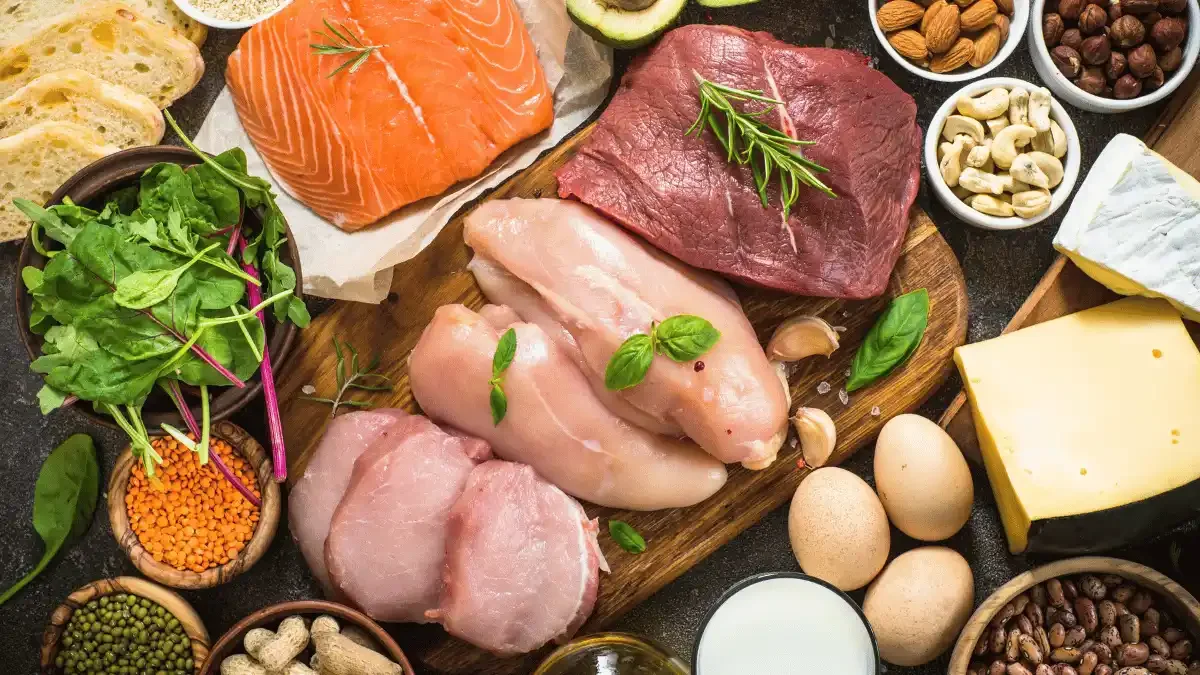
Increasing protein does not mean eating processed protein bars for every meal.
Whole food sources provide additional vitamins, minerals, and nutrients that contribute to overall health.
Excellent Animal-Based Protein Sources
Some of the highest-quality protein options include:
Chicken breast
Turkey
Eggs
Tuna
Salmon
Shrimp
Lean beef
Low-fat cottage cheese
Greek yogurt
These foods provide complete proteins containing all essential amino acids.
Excellent Plant-Based Protein Sources
Plant proteins also contribute to healthy nutrition.
Good options include:
Lentils
Chickpeas
Black beans
Edamame
Tofu
Tempeh
Quinoa
Combining a variety of plant proteins throughout the day provides excellent nutritional value while supporting heart health and dietary variety.
How Much Protein Do You Actually Need?
Protein needs vary depending on age, activity level, body size, and goals.
Someone who strength trains several days each week generally requires more protein than someone who is largely sedentary.
Rather than chasing an exact number immediately, begin by making sure every meal contains a quality protein source.
Simple improvements include:
Adding eggs to breakfast.
Choosing Greek yogurt instead of sugary snacks.
Including grilled chicken in salads.
Packing cottage cheese with fruit.
Preparing lean protein ahead of busy workweeks.
These small adjustments often produce meaningful improvements without making nutrition feel overwhelming.
Common Protein Mistakes That Slow Fat Loss
Eating more protein is beneficial, but simply adding protein to an otherwise inconsistent diet does not automatically produce fat loss. Many people unknowingly make mistakes that limit their progress.
Relying Too Heavily on Protein Supplements
Protein shakes can be convenient, especially after workouts or during busy days, but they should not replace balanced meals.
Whole foods provide additional nutrients such as fiber, vitamins, minerals, and healthy fats that contribute to overall health.
A protein shake works best as a supplement, not as the foundation of your nutrition plan.
Ignoring Total Calorie Intake
Protein supports fat loss, but eating excessive calories from any source can still prevent progress.
Successful fat loss comes from balancing:
Quality nutrition
Appropriate calorie intake
Strength training
Daily movement
Recovery
Protein makes maintaining that balance easier because it helps reduce hunger throughout the day.
Waiting Until Dinner to Eat Protein
Many professionals consume very little protein during breakfast and lunch, then eat a large serving at dinner.
Instead, spread protein intake throughout the day.
This supports muscle recovery while helping control appetite between meals.
Examples include:
Eggs at breakfast
Greek yogurt as a snack
Chicken or turkey at lunch
Cottage cheese during the afternoon
Lean protein with dinner
When Should You Eat Protein?
One of the most common questions clients ask is whether protein timing matters.
The good news is that consistency matters much more than perfection.
Start Your Morning with Protein
Beginning the day with a quality protein source often improves hunger control for the rest of the day.
Instead of a breakfast made primarily of refined carbohydrates, consider meals such as:
Vegetable omelets
Greek yogurt with berries
Cottage cheese and fruit
Protein oatmeal
Eggs with whole-grain toast
These meals provide longer-lasting energy while helping reduce mid-morning cravings.
Fuel Recovery After Exercise
Strength training creates the stimulus for muscle growth.
Recovery happens afterward.
Consuming protein after exercise supports muscle repair and prepares your body for future workouts.
According to the Academy of Nutrition and Dietetics, pairing protein with carbohydrates after exercise supports recovery while replenishing energy stores.
Protein and Strength Training Produce Better Results Together
Nutrition and exercise should never be viewed as separate strategies.
The greatest improvements in body composition occur when they work together.
Build Muscle While Losing Fat
One concern many people have is losing muscle while dieting.
Adequate protein combined with resistance training helps preserve lean tissue during a calorie deficit.
At Fight Gravity Fitness, clients are encouraged to combine smart nutrition with progressive strength training instead of relying solely on cardio.
That combination often produces:
Better muscle definition
Improved posture
Greater strength
Increased confidence
Better long-term weight maintenance
Many clients also benefit from personalized coaching programs that combine fitness programming with practical nutrition guidance designed around busy schedules.
Recovery Improves Performance
Proper nutrition helps you perform better in future workouts.
When recovery improves, training quality improves.
Better workouts eventually lead to greater strength, improved body composition, and increased confidence.
Rather than chasing short-term weight loss, the focus shifts toward building a stronger, healthier body.
Protein Myths That Need to Go Away
Nutrition advice online can be confusing.
Let's clear up several common misconceptions.
Myth: More Protein Always Means More Muscle
Protein supports muscle growth, but muscle develops through resistance training combined with adequate recovery.
Eating excessive protein without exercising will not automatically build muscle.
Myth: High-Protein Diets Are Only for Athletes
Protein benefits everyone.
Busy professionals, parents, older adults, and beginners all benefit from adequate protein intake because it supports muscle health, recovery, and healthy aging.
The National Institute on Aging emphasizes maintaining muscle through both resistance training and proper nutrition as we age.
Myth: Carbohydrates Should Be Eliminated
Protein is important, but carbohydrates remain an important energy source.
Whole grains, fruit, vegetables, legumes, and other complex carbohydrates support productive workouts and healthy recovery.
Balanced nutrition almost always outperforms restrictive dieting.
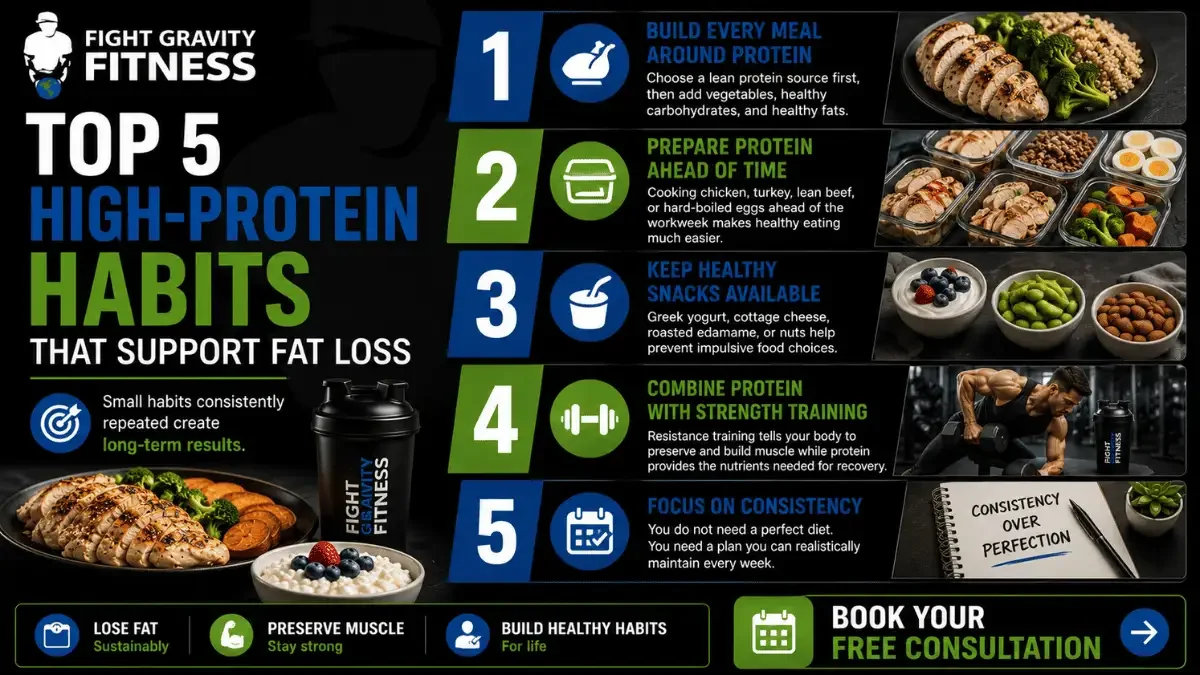
Top 5 High-Protein Habits That Support Fat Loss
Small habits consistently repeated create long-term results.
1. Build Every Meal Around Protein
Choose a lean protein source first, then add vegetables, healthy carbohydrates, and healthy fats.
2. Prepare Protein Ahead of Time
Cooking chicken, turkey, lean beef, or hard-boiled eggs ahead of the workweek makes healthy eating much easier.
3. Keep Healthy Snacks Available
Greek yogurt, cottage cheese, roasted edamame, or nuts help prevent impulsive food choices.
4. Combine Protein with Strength Training
Resistance training tells your body to preserve and build muscle while protein provides the nutrients needed for recovery.
5. Focus on Consistency
You do not need a perfect diet.
You need a plan you can realistically maintain every week.
Protein Supports Long-Term Health Beyond Weight Loss
Although many people first increase protein to lose fat, the benefits extend well beyond body composition.
Healthy Aging
Maintaining muscle becomes increasingly important with age.
Stronger muscles support:
Balance
Bone health
Independence
Mobility
Functional strength
Building healthy habits today contributes to a healthier future.
Improved Energy Throughout the Day
Meals built around protein often provide steadier energy than highly processed foods.
Many professionals notice:
Fewer afternoon energy crashes
Improved concentration
Better productivity
Less reliance on sugary snacks
Those improvements make it easier to remain consistent with both nutrition and exercise.
Sustainable Nutrition Beats Restrictive Diets
One reason high-protein nutrition works well is that it is flexible.
Rather than eliminating favorite foods, it encourages building balanced meals around nutrient-dense ingredients.
This approach supports long-term adherence instead of temporary success.
FAQs
Does eating more protein automatically burn fat?
No. Protein supports fat loss by improving satiety, preserving lean muscle, and supporting recovery, but an overall healthy nutrition plan remains essential.
Can I eat too much protein?
Most healthy individuals tolerate higher protein diets well, but individual needs vary. Speak with your healthcare provider or a registered dietitian if you have kidney disease or other medical conditions.
What are the best protein sources?
Lean meats, fish, eggs, Greek yogurt, cottage cheese, beans, lentils, tofu, and other minimally processed foods are excellent choices.
Is protein powder necessary?
No. Most people can meet their protein needs through whole foods. Protein powders simply provide additional convenience when needed.
Should I eat protein before or after workouts?
Both can be beneficial. Consuming protein consistently throughout the day is generally more important than focusing on one specific meal.
Can protein help prevent muscle loss during dieting?
Yes. When combined with resistance training, adequate protein helps preserve lean muscle while reducing body fat.
Conclusion
Protein Intake for Fat Loss is one of the simplest and most effective nutrition strategies for improving body composition while supporting long-term health. Instead of viewing protein as another diet trend, think of it as a foundational nutrient that helps control hunger, preserve muscle, improve recovery, and make healthy eating more sustainable.
At Fight Gravity Fitness, we believe lasting results come from practical habits rather than extreme restrictions. By combining balanced nutrition with structured strength training and personalized coaching, clients develop routines they can maintain well beyond reaching a specific number on the scale.
Whether your goal is losing body fat, building lean muscle, or simply feeling better throughout your day, focusing on quality protein intake is an excellent place to begin. Small improvements repeated consistently often create the biggest transformation over time.

Nicholas Butler
Founder, Fight Gravity Fitness
Nicholas Butler is the founder of Fight Gravity Fitness and a passionate fitness professional who believes better movement leads to a better life. He specializes in helping busy professionals build strength, restore mobility, improve posture, and create sustainable long-term fitness habits through practical, personalized coaching. Nick holds certifications as a NASM Certified Personal Trainer, TRX Certified Instructor, Silver Sneakers Certified, and is CPR Certified. With years of experience and a strong focus on functional movement, he brings a supportive, results-driven approach that helps clients feel stronger, move better, and maintain an active, pain-free lifestyle. Learn more about the Fight Gravity Fitness coaching philosophy on the About Page.