Personal Training for Athletes: Using a Private Studio to Boost Performance in Colorado Sports
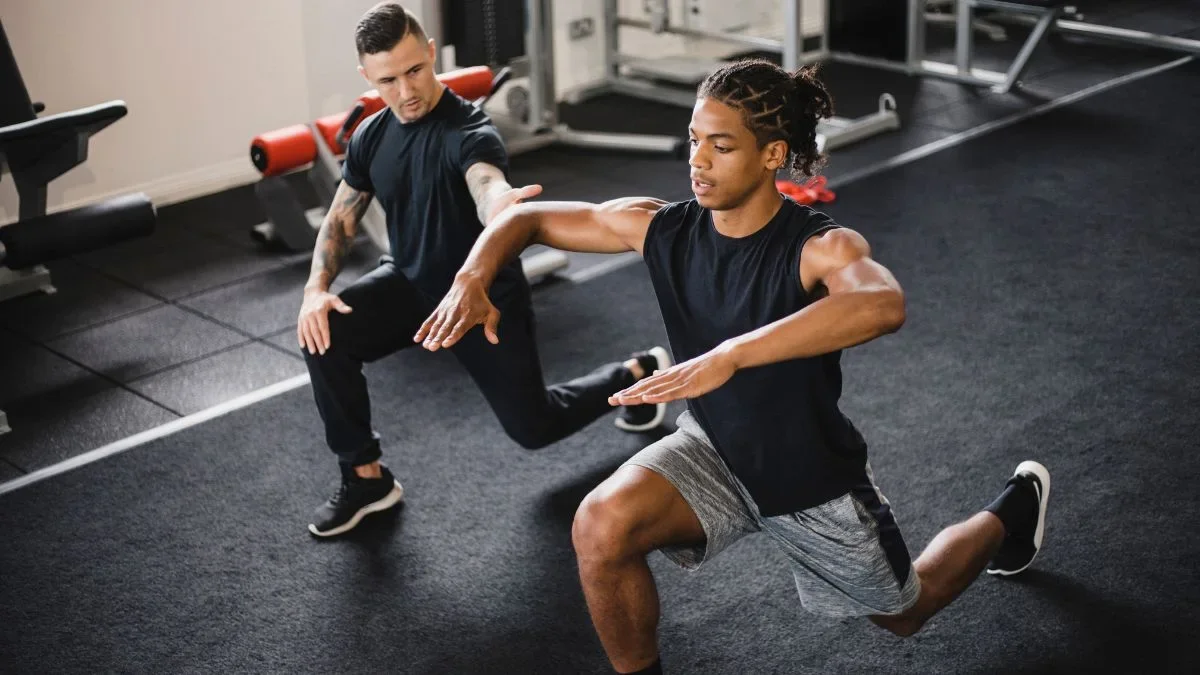
Athletes in Colorado face a unique combination of challenges and opportunities. From competing at altitude to balancing year-round outdoor sports, performance demands are high and recovery matters more than ever. Whether you’re a competitive athlete, a recreational sports enthusiast, or a weekend warrior pushing your limits, generic workouts are rarely enough.
That is where personal training for athletes makes a measurable difference. Training in a private studio setting allows for individualized coaching, sport-specific programming, and a safer environment to build strength, speed, and resilience. At Denver Private Personal Training, athletes receive focused coaching designed to support performance on the field, court, trail, or slope.
This guide explores how personal training for athletes works, why private studios outperform crowded gyms, and how Colorado athletes can train smarter for long-term success.
Start Your Transformation: Build a performance plan designed around your sport, season, and goals.
Meet our Denver
Personal Trainers
TL;DR
Personal training for athletes focuses on sport-specific strength, mobility, conditioning, and recovery. A private studio offers focused coaching, safer progression, and individualized programming. For athletes training in Colorado, this approach supports better adaptation to altitude, reduces injury risk, and delivers consistent performance gains.
Learn how we build athlete-focused plans at Denver Private Personal Training.
Key Takeaways
Personal training for athletes goes beyond general fitness to target sport performance.
Private studios provide individualized coaching and safer training environments.
Altitude training in Colorado requires smart volume and recovery management.
Strength, mobility, and conditioning must work together for peak performance.
Long-term athletic success depends on progressive, consistent training.
Why Athletes Need Specialized Personal Training
Athletic performance requires more than basic strength or endurance. Athletes must move efficiently, produce power quickly, and stay resilient under fatigue. Generic workout plans often overlook these needs, leading to plateaus or preventable injuries.
Personal training for athletes is designed to address the specific demands of sport. Programming accounts for movement patterns, seasonal competition schedules, and individual biomechanics. Rather than focusing only on how much weight you lift, training emphasizes how well you move and how effectively you transfer force.
This specialized approach improves performance while supporting long-term health. Athletes who train with purpose build strength that translates directly to competition and daily movement.
Start Your Transformation: Upgrade from generic workouts to athlete-specific coaching.
“When you take care of your nutrition, you’re not just feeding your body you’re fueling your potential to perform at your best every single day. In a city like Denver, where opportunity and adventure are everywhere, that energy makes all the difference”
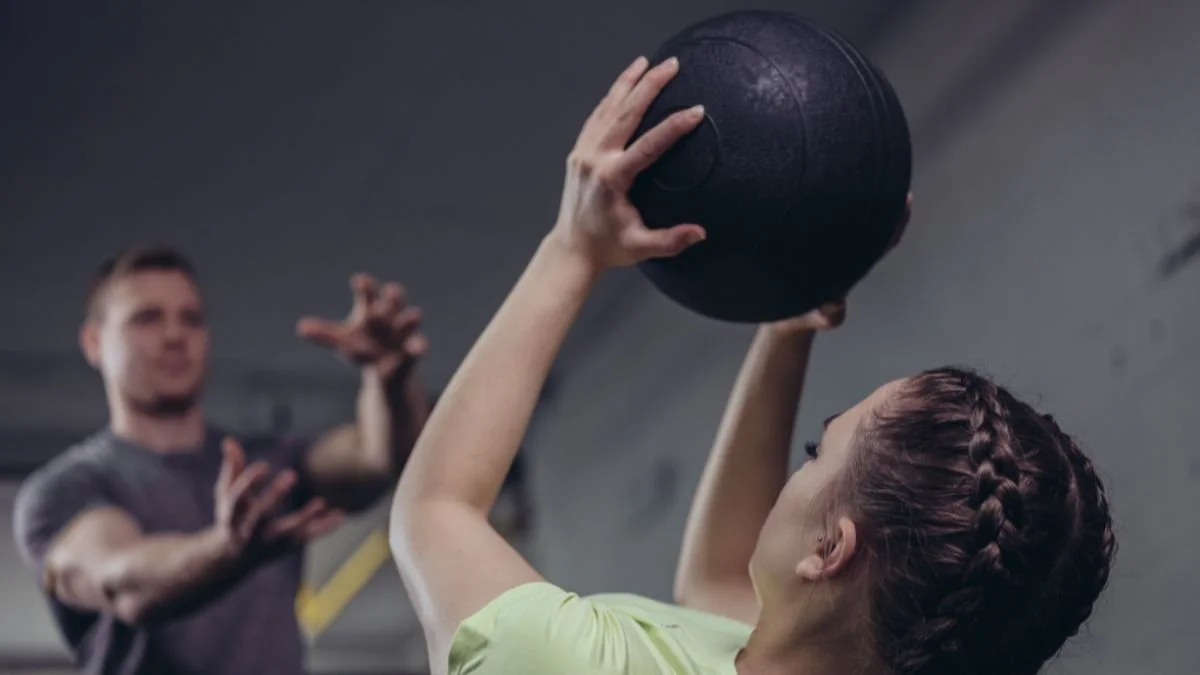
How Personal Training Improves Athletic Performance
Strength for Power and Resilience
Athletes need strength that supports speed, agility, and durability. Personal training programs develop foundational strength through compound movements such as squats, hinges, pushes, pulls, and carries. These movements enhance force production while reinforcing joint stability.
By strengthening the entire kinetic chain, athletes reduce the risk of breakdown under high-intensity demands.
Mobility and Stability
Restricted mobility can limit performance and increase injury risk. Athlete-focused training incorporates mobility and stability work that improves joint function and movement efficiency. This allows athletes to generate power without compensations.
Mobility training also supports recovery, helping athletes stay consistent throughout demanding seasons.
Conditioning That Matches the Sport
Conditioning should reflect the energy demands of the sport. Personal training tailors conditioning to match work-to-rest ratios, intensity, and duration required for competition. This prevents unnecessary fatigue while maximizing performance gains.
Get Your Personalized Game Plan: Train with intention and see measurable progress.
The Advantage of Training in a Private Studio
Focused Coaching and Attention
Private studios eliminate the distractions of crowded gyms. Coaches can closely monitor technique, adjust loads, and provide immediate feedback. This level of attention is essential for athletes performing complex lifts or high-speed movements.
Focused coaching leads to better movement quality and safer progression.
Safer Training Environment
Athletic training often includes explosive movements and heavier loads. A private studio provides space, equipment, and supervision that support these demands safely. Athletes can train confidently without competing for equipment or space.
Equipment Chosen for Performance
Private studios prioritize tools that support athletic development, not just aesthetics. Expect open space, free weights, sleds, resistance bands, and conditioning equipment selected for function and versatility.
Get Stronger, Feel Confident: Train in an environment built for performance, not crowds.
Training at Altitude in Colorado
Colorado athletes benefit from training at elevation, but altitude also increases stress on the cardiovascular system. Without proper programming, athletes may experience fatigue, stalled progress, or extended recovery times.
Personal training for athletes accounts for these factors. Coaches manage training volume, intensity, and rest to help athletes adapt safely. Conditioning progressions are adjusted to ensure steady improvement without overtraining.
When paired with smart recovery strategies, altitude training becomes a performance advantage rather than a liability.
Inside a Performance-Focused Training Session
A personal training session for athletes follows a structured format designed for results.
Assessment and Movement Screening
Training begins with understanding how the athlete moves. Screens identify limitations, asymmetries, and strengths to guide program design.
Warm-Up and Activation
Dynamic warm-ups prepare joints and muscles for performance while reinforcing movement patterns.
Strength and Power Development
Training targets sport-specific strength and power using progressive loading and movement variation.
Conditioning and Energy System Work
Conditioning reflects the athlete’s sport demands, supporting endurance without unnecessary fatigue.
Recovery and Mobility
Sessions end with mobility and recovery work to support long-term consistency.
Start Your Transformation: Experience training built around your performance needs.
Who Benefits Most from Personal Training for Athletes
Youth and High School Athletes
Young athletes benefit from learning proper movement mechanics early. Personal training builds a strong foundation while reducing injury risk during growth phases.
Collegiate and Competitive Athletes
Advanced athletes require precise programming to maintain performance during long seasons. Private coaching supports peak output and recovery.
Recreational Athletes and Weekend Warriors
Athletes who train for enjoyment still face injury risk and performance goals. Personal training helps them stay active and competitive without setbacks.
Athletes Returning from Injury
Individualized training supports safe return to sport by rebuilding strength, mobility, and confidence.
Building Performance That Lasts
Athletic success is not built in a few weeks. Long-term development requires periodized training that evolves with the athlete. Personal training supports this process by adjusting programs based on performance data and recovery feedback.
By avoiding burnout and emphasizing quality over volume, athletes build careers and lifestyles that support continued participation in sport.
Get Your Personalized Game Plan: Commit to performance that lasts beyond the season.
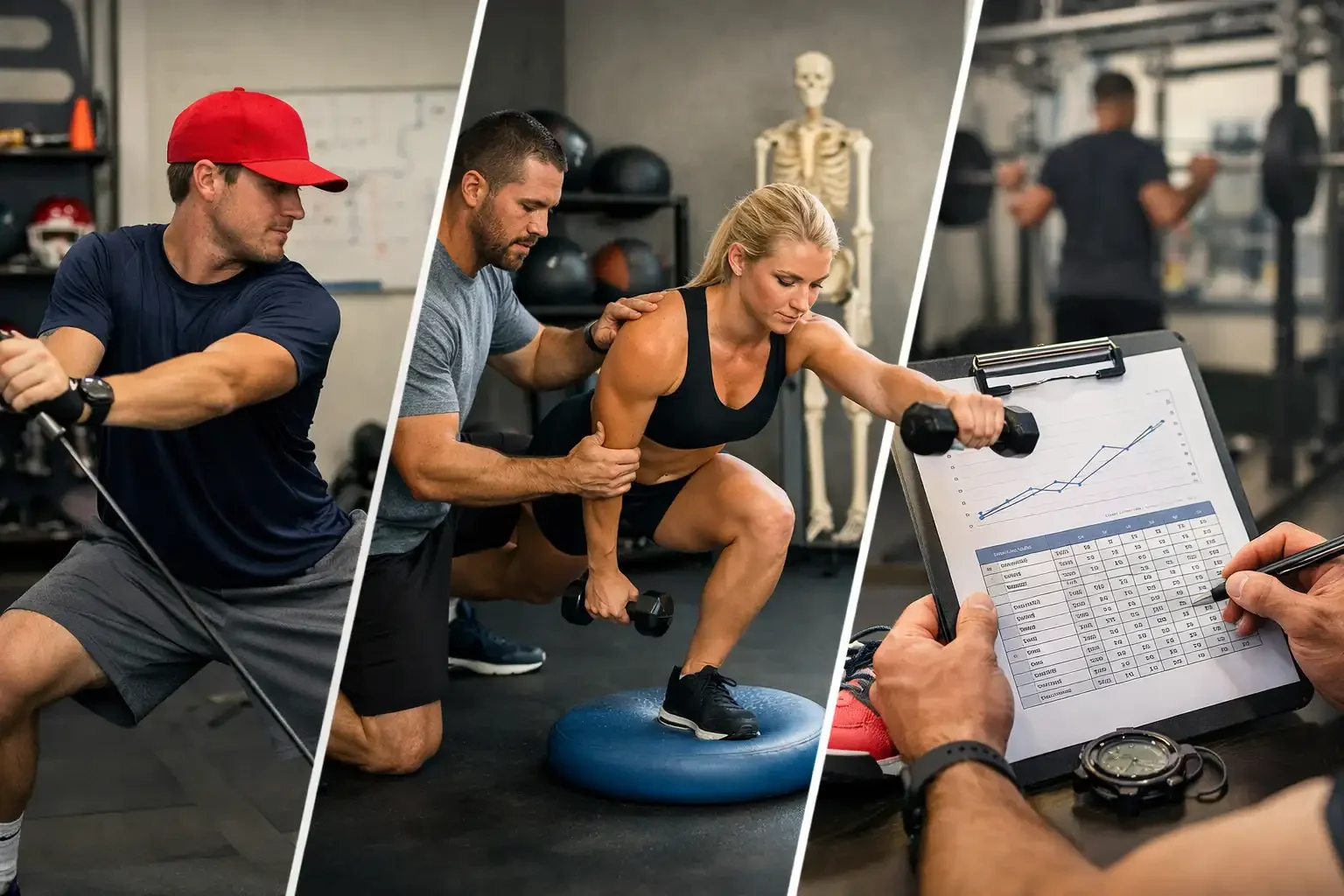
Top 3 Reasons Athletes Choose Private Personal Training
Customized Performance Programming
Training is built around your sport, season, and goals.
Reduced Injury Risk
Expert coaching and proper progression protect your body.
Consistent Progress Tracking
Performance improvements are measured and refined over time.
Athletes choose private training because it delivers clarity, structure, and results.
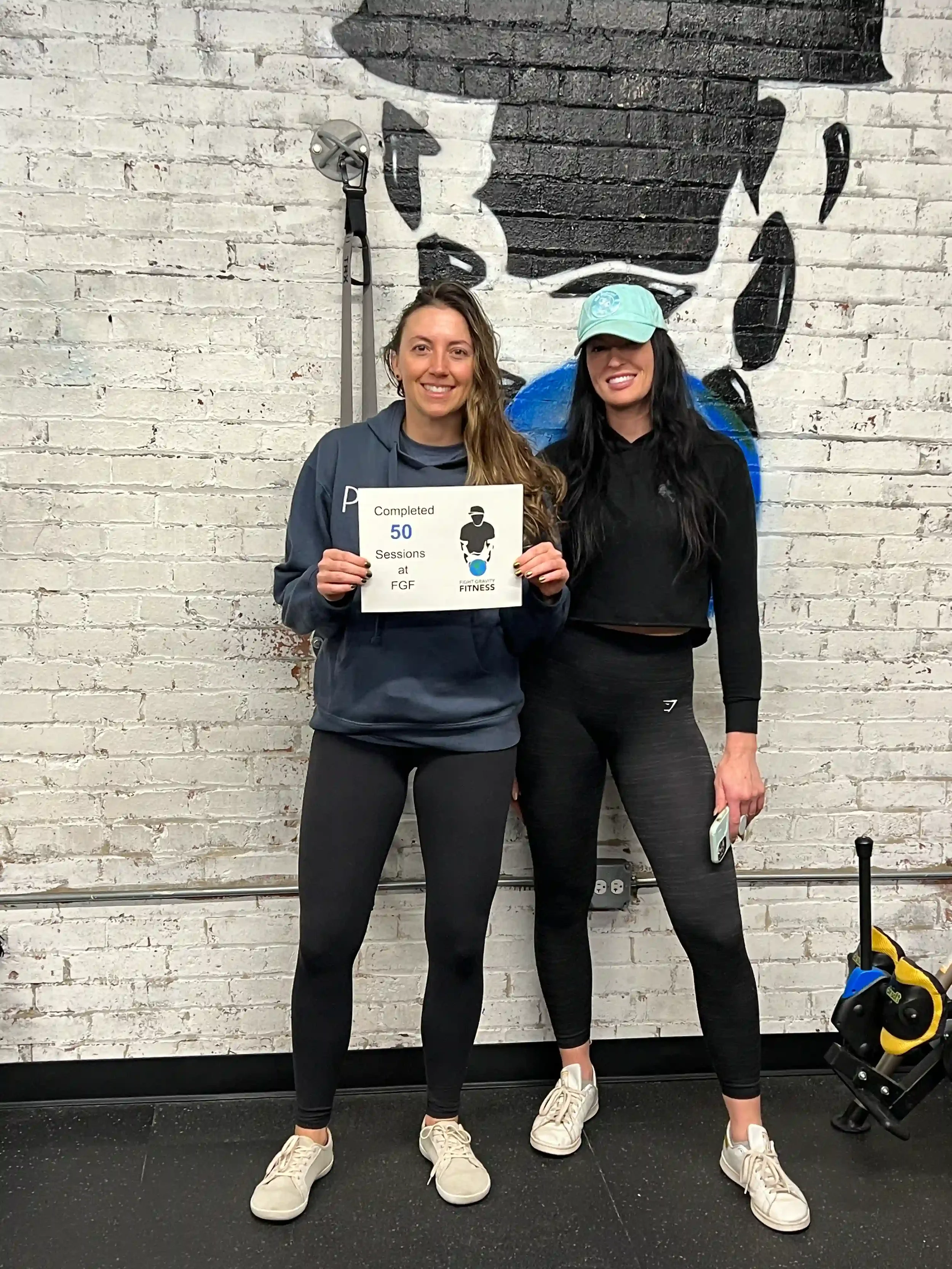
FGF’s Client
Success Stories
FAQs About Personal Training for Athletes
What sports benefit most from personal training?
All sports benefit from personal training, including soccer, skiing, cycling, basketball, running, and outdoor endurance sports common in Colorado.
How often should athletes train each week?
Most athletes train two to four times per week depending on sport demands, season, and recovery capacity.
Can personal training improve speed and agility?
Yes. Targeted strength, power, and movement drills directly improve speed, agility, and coordination.
Is private training better than team training?
Private training complements team practices by addressing individual weaknesses and recovery needs.
How does personal training help prevent injuries?
By improving movement quality, strength balance, and mobility, personal training reduces stress on joints and tissues.
Conclusion
Athletes in Colorado need training that matches the demands of their sport and environment. Personal training for athletes in a private studio provides the focus, expertise, and structure required to perform at a higher level. From adapting to altitude to building durable strength, individualized coaching makes the difference between stagnation and progression.
At Fight Gravity Fitness, athletes train with purpose, clarity, and confidence. Every program is built to support performance today and longevity tomorrow.
Start Your Transformation: Elevate your performance with Denver Private Personal Training.
Get Stronger, Feel Confident: Train with coaches who understand athletes and Colorado sports.
Get Your Personalized Game Plan: Schedule your consultation and take the next step in your athletic development.

Nicholas Butler
Founder, Fight Gravity Fitness
Nick Butler is a passionate fitness professional who believes that better movement leads to a better life. As the founder of Fight Gravity Fitness, he specializes in helping busy professionals build strength, restore mobility, and enjoy an active, pain-free lifestyle. Nick holds certifications as a NASM Certified Personal Trainer, TRX Certified Instructor, Silver Sneakers Certified, and is CPR Certified. With years of experience and a focus on functional movement, Nick brings a supportive, practical approach to fitness that gets results without the hype.