One-on-One Coaching vs Group Training
One-on-One Fitness Coaching and group training are two of the most popular ways to improve strength, lose weight, build confidence, and stay consistent with exercise. While both approaches can help people achieve results, they deliver very different experiences when it comes to accountability, personalization, coaching attention, and long-term success.
Many people assume the best option comes down to cost. In reality, the most effective training format depends on your goals, experience level, schedule, motivation, and need for support. Someone recovering from an injury may need a completely different approach than someone who enjoys the energy of working out with others.
At Fight Gravity Fitness, we regularly work with clients who have tried everything from large group classes to self-guided gym memberships before discovering what type of coaching truly helps them stay consistent. For individuals looking for highly personalized support, our Denver private personal training programs provide customized coaching designed around each person's unique needs. Understanding the differences between individual and group training can help you make a smarter investment in your health and fitness journey.
Also Read
TL;DR
One-on-one coaching provides the highest level of personalization, accountability, and coaching attention, making it ideal for beginners, people with injuries, busy professionals, and those seeking faster results. Group training offers motivation, community, and lower costs but provides less individualized instruction. Most people achieve better long-term results when their training environment matches their specific needs, goals, and lifestyle rather than simply choosing the cheapest or most intense option.

Meet our Denver
Personal Trainers
Key Takeaways
Individual coaching offers maximum personalization and accountability.
Group training provides community and lower costs.
Beginners often benefit from more coaching and guidance.
Structured programming produces better results than random workouts.
Proper form instruction reduces injury risk.
Accountability is often the biggest factor in long-term success.
Cost matters, but value matters more.
The best training format is the one you can maintain consistently.
Why Training Structure Matters More Than Most People Realize
Many fitness decisions are made based on convenience, price, or what friends are doing. Unfortunately, those factors alone rarely determine long-term success.
The biggest predictor of results is consistency. Consistency comes from having a structure that supports your goals, schedule, and personality.
Most Fitness Failures Are Not Motivation Problems
People often blame themselves when they stop exercising.
In reality, the problem is usually the system.
Common examples include:
No clear workout plan
Lack of accountability
Poor coaching
Unrealistic expectations
Inconsistent scheduling
Little progress tracking
When these factors exist, even highly motivated people struggle to maintain momentum.
Structure Removes Decision Fatigue
One of the major advantages of professional coaching is eliminating uncertainty.
Instead of asking:
What should I do today?
Am I doing this correctly?
Is this working?
How much weight should I use?
You simply follow a structured plan.
This mental simplicity often makes adherence much easier.

Understanding One-on-One Fitness Coaching
Individual coaching is the most personalized training format available.
Every aspect of the experience revolves around the client.
Personalized Programming
A coach designs workouts specifically around:
Fitness goals
Current fitness level
Injury history
Mobility limitations
Schedule demands
Recovery capacity
Nothing is generic.
Every exercise serves a purpose.
At Fight Gravity Fitness, personalized coaching starts with understanding the individual first before building a program.
Maximum Coaching Attention
In private sessions, the coach's entire focus remains on one person.
Benefits include:
Customized exercise selection
Real-time adjustments
Ongoing progress tracking
Faster skill development
This level of attention is difficult to replicate in group settings.
Accountability Is Built In
Many people underestimate how valuable accountability becomes over time.
A coach provides:
Scheduled appointments
Progress reviews
Performance tracking
Consistent communication
Encouragement during setbacks
For busy professionals, accountability often becomes the difference between short-term motivation and long-term success.
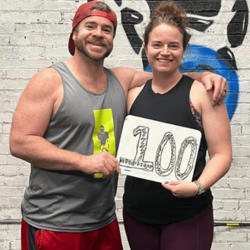
“Consistency is the most important factor in any fitness journey. It is not about doing everything perfectly, it is about showing up regularly and building momentum over time.”
Who Benefits Most from One-on-One Coaching?
While anyone can benefit from individualized training, certain groups often experience greater advantages.
Beginners
New exercisers often have questions about:
Technique
Equipment
Workout structure
Recovery
Progression
Private coaching accelerates the learning process while reducing confusion.
Individuals with Injuries
Previous injuries require thoughtful modifications.
According to the American Academy of Orthopaedic Surgeons, exercise programs should often be adapted to accommodate mobility limitations and injury history.
A skilled coach can modify movements while still helping clients progress.
Busy Professionals
Professionals frequently have limited time.
Individual coaching helps maximize workout efficiency by ensuring every session has a specific purpose.
Clients Seeking Faster Results
When programming, accountability, and execution are all optimized, progress often occurs more quickly.

Understanding Group Training
Group training places multiple participants into a shared workout environment.
Formats vary significantly depending on the facility and coaching model.
Community and Energy
One of the strongest benefits of group training is the atmosphere.
Participants often enjoy:
Social interaction
Friendly competition
Shared goals
Group motivation
Many people find this environment encouraging.
Lower Cost Per Session
Group training typically costs less because coaching resources are shared among multiple participants.
For individuals with budget constraints, this can make professional guidance more accessible.
Variety and Convenience
Many group programs offer:
Different class styles
Multiple schedules
High-energy environments
Structured workouts
For some participants, variety helps maintain engagement.
Limitations of Group Training
While group training has advantages, it also presents challenges.
Reduced Individual Attention
A coach working with 15 or 20 people cannot provide the same level of personalized feedback.
Common limitations include:
Less form correction
Fewer exercise modifications
Limited progress tracking
Less individualized coaching
This becomes particularly important for beginners.
One Workout Must Fit Many People
Group programs typically require everyone to perform similar exercises.
This can create challenges when participants have:
Different fitness levels
Different goals
Previous injuries
Mobility restrictions
A workout that works well for one person may not work well for another.
Accountability Varies
Group environments provide some accountability, but not the same level as private coaching.
If someone misses class, individual follow-up may be limited.
Individual Training vs Group Training
Many people ask which option produces better results.
The answer depends on the person.
Goal Achievement
One-on-one coaching generally excels at:
Strength development
Weight loss
Injury recovery
Mobility improvement
Performance training
Group training often excels at:
General fitness
Consistency
Community engagement
Learning Proper Technique
Private coaching provides more opportunities for movement correction.
According to the National Strength and Conditioning Association, proper exercise technique plays a critical role in performance and injury prevention.
More coaching attention generally leads to faster skill development.
Long-Term Adherence
People remain consistent when training matches their preferences.
Some thrive in social environments.
Others prefer individualized attention.
The best program is the one you can maintain consistently.
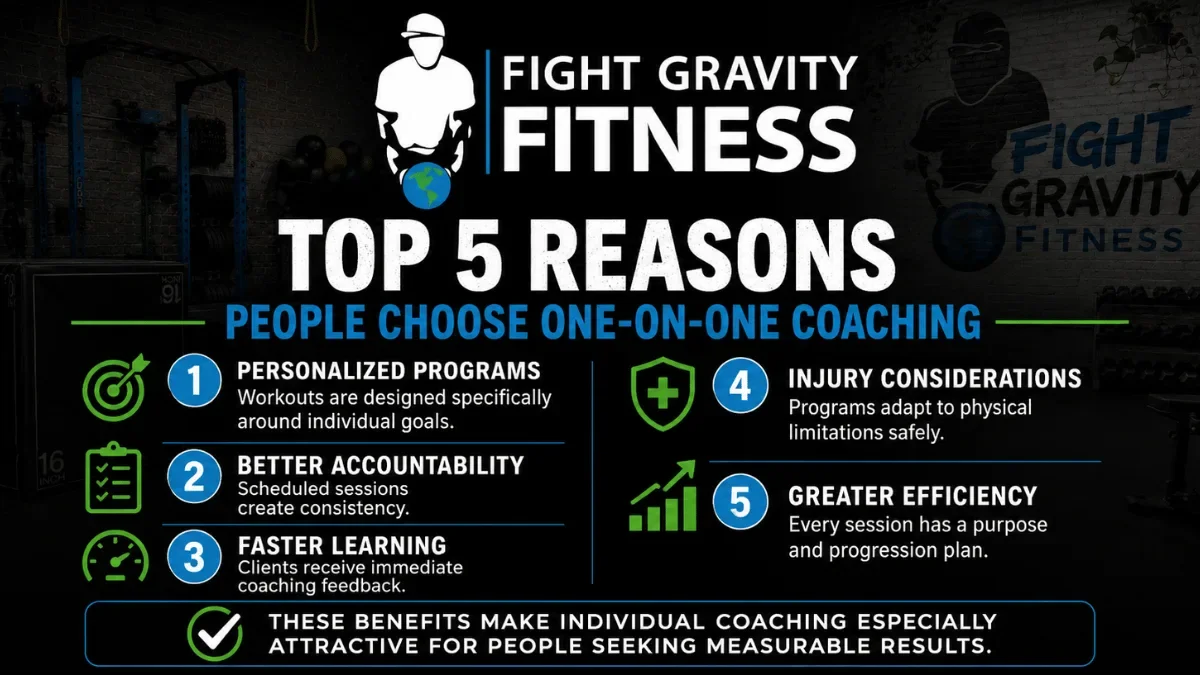
Top 5 Reasons People Choose One-on-One Coaching
1. Personalized Programs
Workouts are designed specifically around individual goals.
2. Better Accountability
Scheduled sessions create consistency.
3. Faster Learning
Clients receive immediate coaching feedback.
4. Injury Considerations
Programs adapt to physical limitations safely.
5. Greater Efficiency
Every session has a purpose and progression plan.
These benefits make individual coaching especially attractive for people seeking measurable results.
How Fight Gravity Fitness Approaches Individual Coaching
At Fight Gravity Fitness, coaching goes beyond exercise instruction.
Assessment Comes First
Every client begins with understanding:
Goals
Limitations
Movement quality
Strength levels
Lifestyle demands
This information drives program design.
Progression Is Intentional
Random workouts create random outcomes.
Programs should evolve over time through:
Strength progression
Skill development
Mobility improvements
Performance milestones
Clients should always understand why they are doing what they are doing.
Relationships Matter
Coaching is more than sets and reps.
Trust, communication, and consistency create better long-term outcomes.
This personalized approach is a major reason clients choose Denver private personal training over generic fitness programs.
Cost Versus Value
Many people focus exclusively on price when comparing options.
A better question is: What value are you receiving?
Group Training Often Costs Less
The lower price point can be attractive.
However, participants share coaching resources.
Individual Coaching Delivers Greater Personalization
While private coaching costs more per session, clients often receive:
Customized programming
Progress tracking
Accountability
Injury modifications
Technique instruction
The additional support frequently accelerates results.
The Most Expensive Option Is One That Doesn't Work
Paying less for a program you eventually quit is rarely a bargain.
Long-term success should be part of the value calculation.
Choosing the Right Option for Your Goals
The best choice depends on your situation.
One-on-One Coaching May Be Best If You:
Are new to exercise
Have injuries
Want faster results
Need accountability
Prefer personalized attention
Group Training May Be Best If You:
Enjoy social environments
Have previous exercise experience
Want lower costs
Thrive on group energy
Neither option is inherently better.
The key is selecting the structure that supports your success.
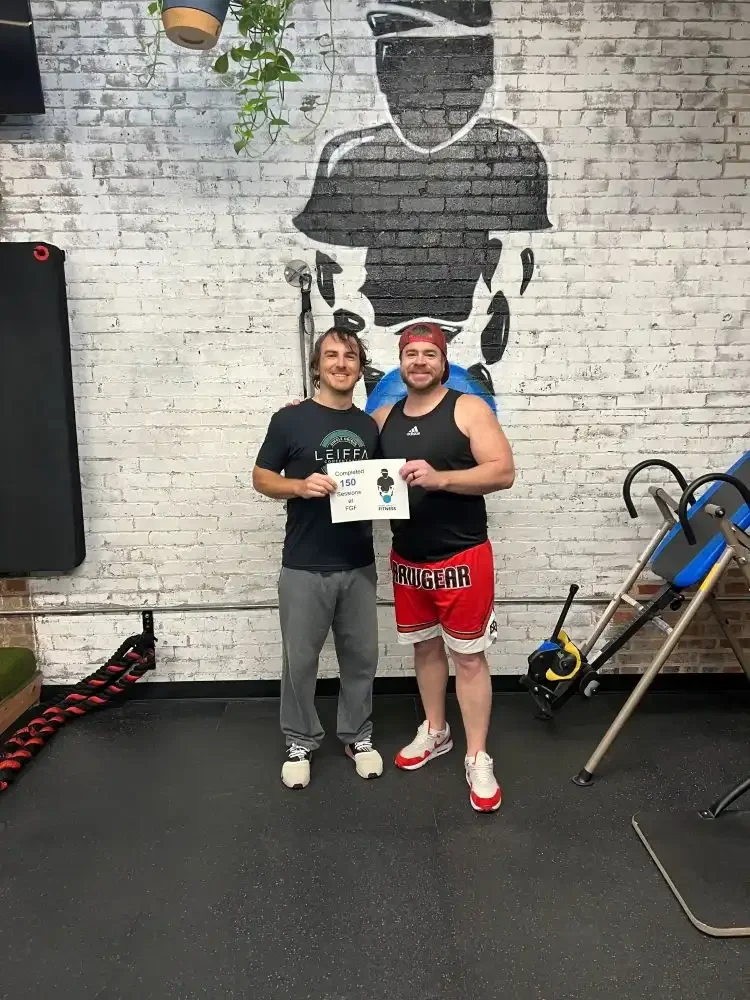
FGF’s Client
Success Stories
FAQs
Is one-on-one coaching worth the extra cost?
For many people, yes. The added accountability, personalization, and coaching attention often improve results and consistency.
Can beginners benefit from group training?
Yes, but many beginners progress faster when they receive more individualized coaching and instruction.
Which option is better for weight loss?
Both can support weight loss. Individual coaching often provides more personalized strategies and accountability.
Is group training less effective?
Not necessarily. Effectiveness depends on coaching quality, consistency, and whether the format matches your needs.
How often should I train with a coach?
Most clients benefit from two to four sessions per week depending on goals, experience, and schedule.
Conclusion
One-on-One Fitness Coaching and group training both offer valuable paths toward improved health and fitness, but they serve different needs. Group training can provide motivation, community, and affordability. Individual coaching offers unmatched personalization, accountability, and support.
For people who want customized programming, direct coaching, and a clear plan for long-term success, private coaching often delivers the strongest return on investment. The right environment helps remove obstacles, build consistency, and create sustainable progress.
At Fight Gravity Fitness, our goal is to help clients find the training structure that best supports their goals and lifestyle. Whether you are just beginning your fitness journey or looking to break through a plateau, Denver private personal training provides personalized coaching designed to help you move better, feel stronger, and achieve lasting results.

Nicholas Butler
Founder, Fight Gravity Fitness
Nick Butler is a passionate fitness professional who believes that better movement leads to a better life. As the founder of Fight Gravity Fitness, he specializes in helping busy professionals build strength, restore mobility, and enjoy an active, pain-free lifestyle. Nick holds certifications as a NASM Certified Personal Trainer, TRX Certified Instructor, Silver Sneakers Certified, and is CPR Certified. With years of experience and a focus on functional movement, Nick brings a supportive, practical approach to fitness that gets results without the hype.