Meal prep is the habit that can separate those who make steady progress from people who stall. You can train hard every session, but if your nutrition is inconsistent, your body never gets the reliable fuel it needs to recover and grow stronger. Most people don't have a training problem; they have a nutrition-consistency problem, and meal prep solves it.
At Fight Gravity Fitness, we see this pattern constantly, and it's why we talk about food alongside training rather than as an afterthought. Our approach to private personal training in Denver treats nutrition as a skill you build, not a diet you endure. Meal prep is one of the simplest, highest-return habits we can hand a client.
This isn't only for competitive lifters or people with hours to spend in the kitchen. It's for the busy professional with no time to cook daily, the beginner who never knows what to eat, and the experienced trainee whose results have plateaued because their nutrition is a guessing game. If any of that sounds familiar, a little structure around your food can change how every workout feels.
In the sections ahead, we'll cover what strength nutrition actually requires, how to build a meal prep routine that lasts, and the mistakes that make people quit. By the end, you'll have a practical, repeatable system.
TL;DR
Meal prep makes strength nutrition automatic. By planning and preparing meals ahead of time, you guarantee enough protein and quality fuel to support training and recovery, without relying on willpower or last-minute decisions. The strongest results come not from a perfect diet but from a consistent one, and meal prep is the system that makes consistency the easy default.
Key Takeaways
Meal prep removes daily decision-making from your nutrition.
Consistent protein intake drives recovery and strength gains.
Planning ahead protects you from poor last-minute food choices.
Simple, repeatable meals are easier to sustain than elaborate ones.
Fueling around workouts improves performance and recovery.
Batch prepping saves time and reduces stress.
Consistency, not perfection, is what builds lasting progress.
Why Nutrition Makes or Breaks Strength Progress
Most people believe you build strength entirely in the gym. However, the training is only the stimulus.
Growth and repair happen afterward, and what you eat fuels that process. Without consistent nutrition, your body is trying to build strength with an unreliable supply of materials. The result is slow progress, poor recovery, and the frustrating sense of working hard with little to show for it. Fix the fuel, and the same training suddenly starts paying off.
Where Nutrition Usually Falls Apart
For most people, the problem isn't knowledge but consistency. Life gets busy, and good intentions give way to whatever is fast.
Skipped meals on hectic days.
Not enough protein overall.
Last-minute, low-quality choices.
Under-eating before hard workouts.
No plan, so no follow-through.
All-or-nothing diet thinking.
At Fight Gravity Fitness, we help clients replace this chaos with a simple system, and we almost always start with meal prep.
What Strength Nutrition Requires
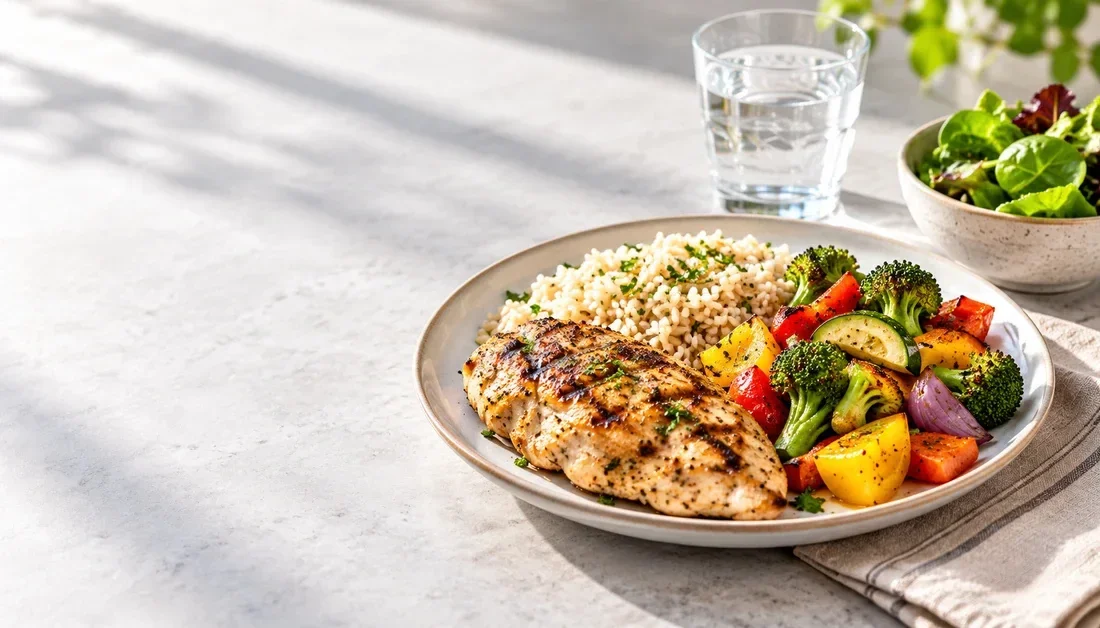
Strength nutrition is simpler than most diet trends make it out to be. It comes down to eating enough total food, getting plenty of protein, and fueling your training consistently.
You can refine the details over time, but those three pillars drive most of the results. Everything else is optimization on top of a solid base. Chasing supplements or complicated meal timing before the basics are in place is a common way to spin your wheels.
Meal prep matters because it makes all three of those pillars happen automatically. When the right foods are already portioned and waiting, eating well stops depending on motivation and starts happening by default.
Protein Is the Priority
Protein provides the building blocks your muscles use to repair and grow after training. It's the single most important nutrient for anyone chasing strength.
Spreading protein across your meals supports recovery throughout the day and helps you feel full and satisfied. Lean sources like chicken, fish, eggs, Greek yogurt, and beans all work well, so you can rotate them and keep meals from getting repetitive. The goal isn't one perfect food; it's a solid serving of quality protein at every meal, day after day.
When protein is prepped and ready, hitting your daily target stops being a scramble and becomes effortless. That single habit, protein handled first, is often what turns an inconsistent week into a consistent one.
Fuel Your Training, Then Recover
Carbohydrates fuel hard training, and eating enough of them around your workouts keeps your energy and performance high. Under-fueling is one of the fastest ways to stall progress. Whole-food carbs like rice, oats, potatoes, and fruit give you steady energy without the crash that comes from heavily processed options.
After training, a combination of protein and carbs kick-starts recovery so you're ready for the next session. It doesn't have to be elaborate; a prepped meal or a simple shake within a reasonable window afterward covers the essentials.
Healthy fats round out the picture, support hormones and overall health, and need little attention once your meals are planned.
At Fight Gravity Fitness, we help clients build strength nutrition that fits their real schedule, because a plan you can't keep won't work.
How to Build a Meal Prep Routine That Lasts
A meal prep routine only helps if you actually stick with it. The goal is a system simple enough to repeat week after week.
Start small, keep it flexible, and build the habit before you chase perfection.
Start With a Simple Template
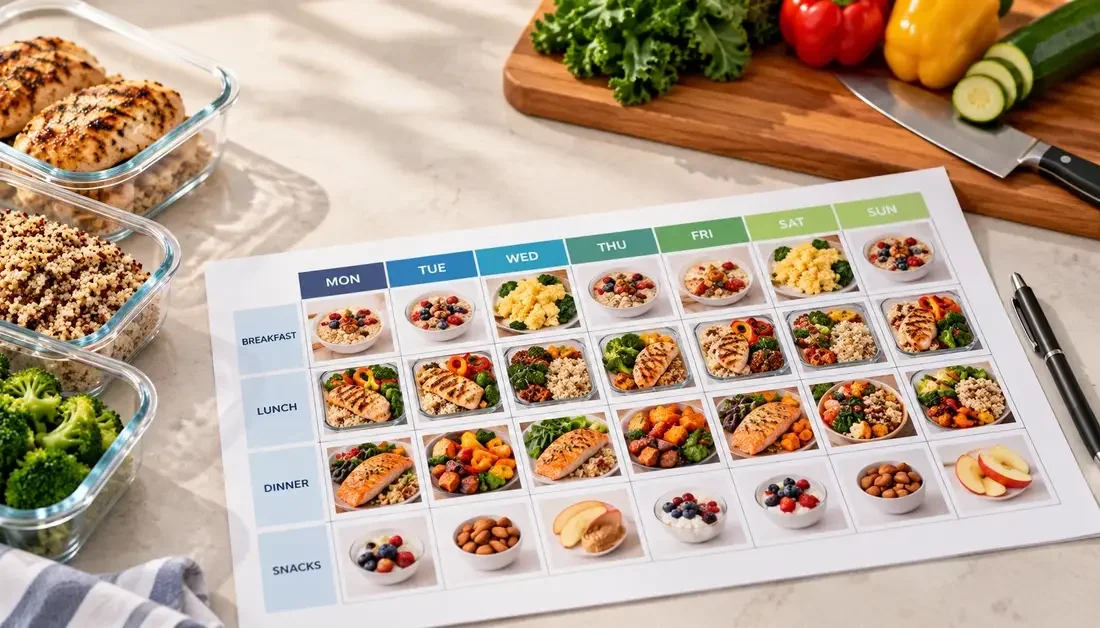
The easiest meal prep approach is a repeatable template: a protein, a carb, and a vegetable at each meal. Rotate the specifics to keep it from getting boring. One week that might be chicken, rice, and broccoli; the next, salmon, sweet potato, and green beans. The framework stays the same even as the ingredients change.
This removes decision fatigue. Instead of asking what to eat, you simply assemble from what you prepped.
Simplicity helps the habit survive a busy week.
Batch Cook and Store Smart
Batch cooking is the heart of meal prep. Preparing proteins, grains, and vegetables in bulk turns hours of daily cooking into a single focused session. For most people, one or two cooking blocks a week is enough to stay ahead, especially when you make a couple of proteins and a big batch of grains at once.
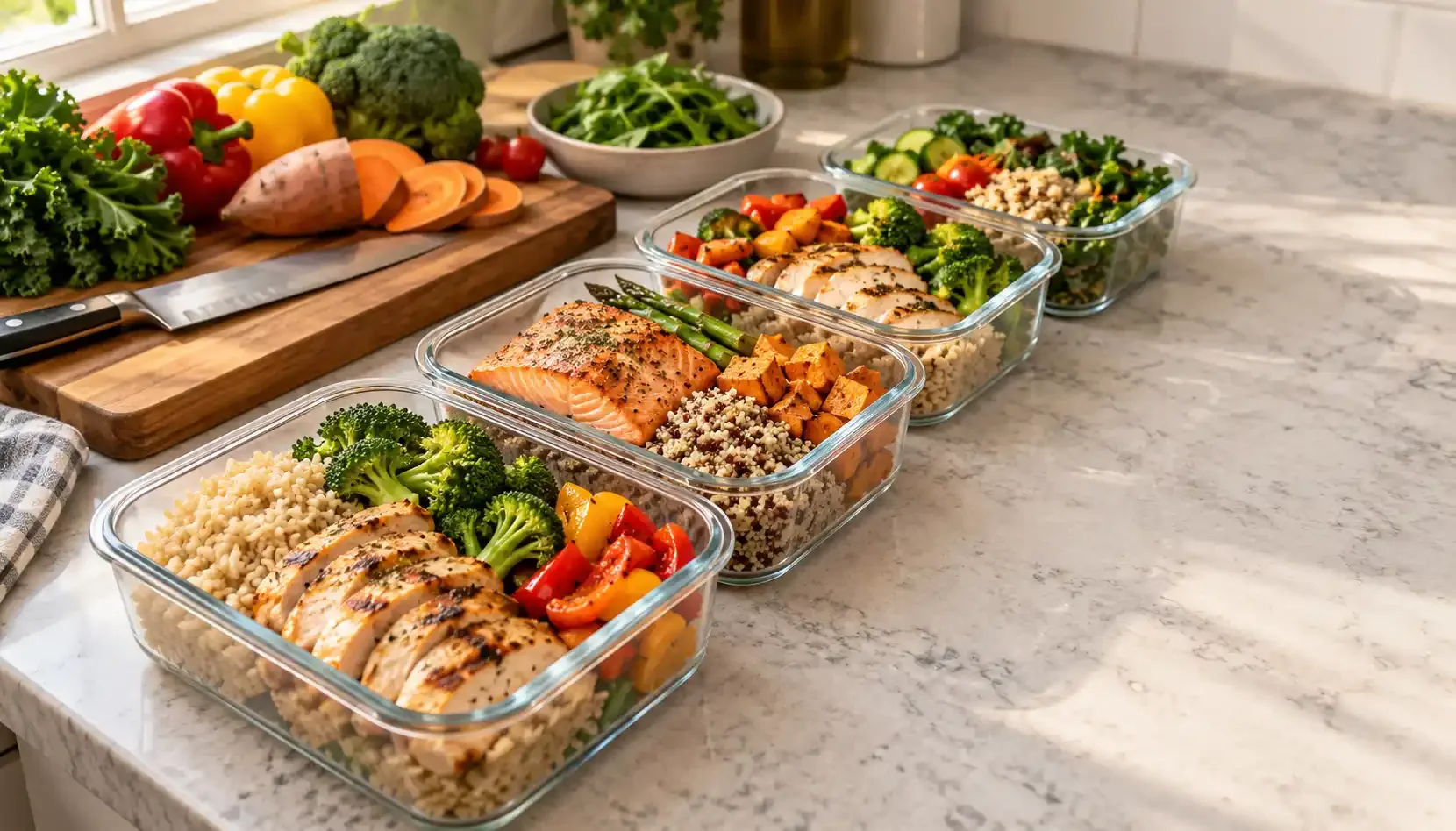
Portioning meals into containers makes grab-and-go eating effortless, which is exactly what protects you on your busiest days.
Labeling and rotating your containers keeps everything fresh and removes the guesswork about what to grab next.
Many Fight Gravity Fitness clients tell us that prepping a few days ahead was the turning point that finally made their nutrition consistent.
Common Meal Prep Mistakes to Avoid
Plenty of people try meal prep, then quit within a couple of weeks. Usually, a few avoidable mistakes are to blame. Avoiding them turns meal prep from a short experiment into a lasting habit.
Making It Too Complicated
The most common mistake is starting with elaborate recipes and a dozen different meals. It looks impressive and collapses by Wednesday.
Simple and repeatable beats complex and unsustainable every time. A short list of meals you genuinely enjoy will always outperform an ambitious plan you dread. Pick a handful of meals you actually look forward to, get those down first, and add variety only once the routine feels automatic.
Prepping Too Much at Once
Prepping a full week of food can backfire, leaving you with meals that get boring or spoil. Starting with two or three days is often more realistic. You can always prep again midweek, and fresher food tends to taste better and actually get eaten instead of forgotten in the back of the fridge.
Instead of chasing a perfect week, aim for better, more consistent choices. Here are the signals that your system is actually working:
You rarely skip meals anymore.
Protein targets are easy to hit.
Hectic days no longer derail you.
Cooking feels less stressful.
Your energy stays steady.
Workouts feel well fueled.
At Fight Gravity Fitness, we encourage clients to keep prep simple and sustainable, because the best system is the one they'll actually repeat.
Why Hydration and Recovery Round Out Strength Nutrition
Food is the foundation, but it's not the whole picture. Hydration and recovery work alongside your meal prep to turn good nutrition into real strength.
Even a perfect meal plan falls short if you're dehydrated or not recovered enough. These habits are small, but together they make everything else work better.
Building the Full Routine
Strength nutrition works best when it's part of a complete daily rhythm. A few supporting habits keep the whole system running. None of them are complicated, but skipping them quietly undercuts the work you put into your meals and your training.
Water as your default drink.
Protein spread across the day.
Carbs timed around training.
A pre-workout meal or snack.
A recovery meal after lifting.
Consistent, quality sleep.
Prepped options for busy days.
Treats enjoyed in moderation.
These habits reinforce one another. For readers who want trustworthy nutrition guidance, the Academy of Nutrition and Dietetics and the American College of Sports Medicine offer excellent educational resources on fueling for performance and recovery.
When Meal Prep Is Worth the Effort
Meal prep takes time up front, and it's fair to ask whether it's worth it for you.
For most people chasing strength, the answer is a clear yes, because the consistency it creates pays off far beyond the hours spent prepping. A few hours on the weekend can save you from dozens of rushed, low-quality decisions during the week, and those small choices are what add up over months.
If you see yourself below, meal prep is likely worth it:
You have a busy, unpredictable schedule.
You struggle to eat enough protein.
You make poor choices when rushed.
Your progress has plateaued.
You want to stop guessing about food.
You value consistency over perfection.
At Fight Gravity Fitness, we help clients build nutrition habits that fit real life through private personal training in Denver, because the best plan is always the one you can actually sustain.
Top 5 Meal Prep Strategies for Strength Gains
These habits deliver the biggest results when your goal is consistent strength nutrition.
1. Prep Protein First
Make protein the center of every meal you prep. Having it ready removes the biggest obstacle to hitting your daily target and supports recovery around the clock.
2. Keep Meals Simple and Repeatable
Use a basic protein, carb, and vegetable template. Simple meals are the ones you'll actually repeat, and repetition is what makes nutrition consistent.
3. Batch Cook in One Session
Prepare several days of food at once. Batch cooking turns daily effort into a single focused session and protects you on your busiest days.
4. Fuel Around Your Workouts
Eat enough before and after training. Fueling your sessions improves performance, and a recovery meal afterward sets up your next workout.
5. Start Small and Build
Begin with just a few days of prep. A sustainable habit beats an ambitious plan that collapses, so build the routine as it becomes second nature.
Meal Prep Is About More Than Food
The real value of meal prep reaches well beyond the meals themselves.
It buys back time, lowers daily stress, and removes the mental load of constant food decisions. It also gives you the quiet confidence of knowing your body is fueled for whatever the day and the workout demand.
These wins make the habit worth keeping.
Less stress around daily eating.
More time back in your week.
Steady energy for work and training.
Confidence that you're fueled well.
Strength progress you can sustain.
Meal prep, in the end, is less about food and more about building a system that supports the stronger, more capable life you're training for. That steady, sustainable approach is exactly what private personal training in Denver is designed to reinforce.

FAQs
How far ahead should I meal prep?
Starting with two to three days is usually the most sustainable approach. It keeps your food fresh and your meals interesting while still protecting you from last-minute choices, and you can extend the window as the habit becomes routine.
How much protein do I need for strength gains?
Most people building strength benefit from a higher protein intake spread across their meals. Prepping protein ahead of time is the easiest way to hit your target consistently, which drives recovery and growth.
Do I need special containers or equipment?
Not really. A set of portion containers and basic kitchen tools are enough to start. The system matters far more than the gear, so you don't need to wait for the perfect setup.
Will meal prep get boring?
It can get boring if your meals are too repetitive, but a simple template that rotates proteins, carbs, and vegetables keeps things fresh. Small variety goes a long way toward keeping the habit enjoyable and sustainable.
Is meal prep only for people trying to lose weight?
Not at all. Meal prep supports any nutrition goal, including building strength and muscle. It simply makes it easier to eat enough quality food consistently, whatever your objective.
Can meal prep really improve my workouts?
Yes. When you're consistently fueled and recovered, your training quality improves, and your progress follows. Many people find their workouts feel noticeably stronger once their nutrition becomes reliable.
Conclusion
Building a meal prep habit for Strength Training isn't about following a rigid diet or spending your weekends chained to the stove. It's about creating a simple system that guarantees your body the fuel it needs to recover and grow stronger, day after day. The strongest results come from consistency, and meal prep makes consistency the easy choice instead of a constant battle.
At Fight Gravity Fitness, our coaching is built to support exactly this kind of habit. We pair individualized training with practical nutrition guidance and real-world support to keep the whole system on track. The aim is simple: to help you fuel better, train harder, recover faster, and sustain it long after the initial motivation fades.
If you're ready to stop guessing about food and start fueling your strength with intention, meal prep is the step that finally ties it all together. Consistent fuel builds consistent progress.

Nicholas Butler Founder, Fight Gravity Fitness
Nick Butler is a passionate fitness professional who believes that better movement leads to a better life. As the founder of Fight Gravity Fitness, he specializes in helping busy professionals build strength, restore mobility, and enjoy an active, pain-free lifestyle. Nick holds certifications as a NASM Certified Personal Trainer, TRX Certified Instructor, Silver Sneakers Certified, and is CPR Certified. With years of experience and a focus on functional movement, Nick brings a supportive, practical approach to fitness that gets results without the hype.