The Best Workout Recovery Techniques Backed by Science
Workout Recovery Techniques are often overlooked, yet they play one of the biggest roles in helping you get stronger, move better, and continue making progress. Many people believe that results come only from harder workouts, but your body actually adapts during recovery. Without enough time and the right recovery strategies, fatigue builds, performance declines, and the risk of injury increases.
At Fight Gravity Fitness, every personalized training program is designed to balance challenging workouts with proper recovery. Through private personal training in Denver, clients learn that recovery is not taking time off from fitness. It is an active part of the training process that helps muscles repair, improves movement quality, and prepares the body for the next workout. Whether your goal is building strength, losing weight, improving athletic performance, or simply feeling better throughout the day, recovering properly is just as important as training consistently.
Recovery also looks different for every individual. A busy professional balancing work and family responsibilities may recover differently than an endurance athlete training six days each week. Factors such as sleep, nutrition, hydration, stress levels, age, and training intensity all influence how quickly your body returns to full performance. Instead of searching for one "magic" recovery method, the goal should be building a complete recovery routine that supports your lifestyle and your fitness goals.
This guide explains the recovery techniques that consistently provide the greatest benefits, how to recognize when your body needs more recovery, and how smarter recovery habits can help you perform better for years to come.
Meet our Denver
Personal Trainers
TL;DR
Recovery is not simply taking a day off from the gym. Effective recovery includes quality sleep, proper nutrition, hydration, active recovery, mobility work, and managing overall stress. When these habits are combined with a well-designed training program, they reduce injury risk, improve performance, minimize soreness, and help you continue progressing toward your fitness goals.
Key Takeaways
Recovery allows your body to repair and become stronger after exercise.
Sleep remains one of the most effective recovery tools available.
Hydration and nutrition directly affect muscle recovery.
Active recovery often reduces soreness better than complete inactivity.
Mobility work improves movement quality and flexibility.
Recovery should be individualized based on training intensity and lifestyle.
Consistent recovery habits improve long-term performance.
Why Recovery Matters More Than Most People Realize
Many people judge the quality of a workout by how exhausted they feel afterward.
While challenging workouts certainly have their place, constantly pushing through fatigue without adequate recovery often slows progress rather than accelerating it.
Exercise places stress on your muscles, joints, nervous system, and energy stores. That stress is necessary because it stimulates your body to adapt. However, those adaptations only occur after your workout when your body has enough resources to recover.
If recovery is consistently ignored, your body struggles to keep up with the demands being placed upon it.
Instead of becoming stronger, you may begin experiencing:
Persistent muscle soreness.
Declining workout performance.
Low energy levels.
Increased injury risk.
Poor motivation.
Difficulty sleeping.
Longer recovery between workouts.
At Fight Gravity Fitness, we often remind clients that progress is built through the combination of training and recovery. One without the other rarely produces sustainable long-term results.
Recovery Is More Than Rest
Many people think recovery simply means taking a rest day.
While rest is certainly important, effective recovery includes multiple components working together.
These include:
Sleep.
Nutrition.
Hydration.
Mobility work.
Active recovery.
Stress management.
Proper workout programming.
When all of these pieces support one another, your body becomes much more resilient.
Understanding How Your Body Recovers
Every workout creates temporary stress within the body.
Resistance training creates microscopic muscle damage that your body repairs over time. Cardiovascular exercise places demands on your heart, lungs, and energy systems. High-intensity interval training challenges multiple systems simultaneously.
Your recovery process restores balance while preparing you to perform better during your next session.
Muscle Repair
One of the primary goals of recovery is repairing muscle tissue.
During recovery, your body:
Repairs damaged muscle fibers.
Replenishes glycogen stores.
Restores fluid balance.
Reduces inflammation.
Strengthens connective tissue.
Improves nervous system function.
This repair process is why you often become stronger several days after a challenging workout rather than immediately afterward.
Recovery Supports Adaptation
The goal of exercise is not simply completing today's workout.
The goal is improving your body's ability to handle future challenges.
Every properly recovered workout becomes another building block toward:
Increased strength.
Better endurance.
Improved mobility.
Enhanced athletic performance.
Better body composition.
Recovery transforms exercise from temporary fatigue into long-term progress.

The Most Effective Workout Recovery Techniques
Many recovery products promise faster healing and dramatic improvements.
In reality, the most effective strategies are often the simplest ones.
Prioritize Sleep
If there is one recovery habit that consistently delivers the greatest return, it is sleep.
During sleep, your body performs many of its most important recovery functions.
These include:
Muscle repair.
Hormone regulation.
Tissue recovery.
Protein synthesis.
Nervous system recovery.
Memory consolidation for movement patterns.
Most adults should aim for seven to nine hours of quality sleep each night.
Improving sleep hygiene often produces greater performance improvements than purchasing expensive recovery devices.
Stay Properly Hydrated
Water supports nearly every recovery process inside the body.
Even mild dehydration can affect:
Strength.
Endurance.
Concentration.
Recovery speed.
Muscle function.
Hydration needs vary depending on activity level, climate, and individual sweat rates.
Instead of waiting until you feel thirsty, maintain consistent hydration throughout the day.
Fuel Recovery Through Nutrition
Exercise creates the stimulus.
Nutrition provides the building materials.
Without adequate nutrition, your body struggles to fully recover between workouts.
Recovery meals should generally include:
Lean protein.
Complex carbohydrates.
Healthy fats.
Fruits and vegetables.
Plenty of fluids.
Protein supports muscle repair, while carbohydrates replenish glycogen that fuels future workouts.
Many clients discover that improving nutrition enhances recovery just as much as changing their workouts.
Use Active Recovery Instead of Complete Inactivity
One of the biggest misconceptions about recovery is believing you should remain completely inactive after every challenging workout.
In many cases, light movement actually helps your body recover more efficiently.
Examples include:
Walking.
Easy cycling.
Gentle swimming.
Yoga.
Mobility exercises.
Stretching.
These low-intensity activities increase circulation without placing excessive stress on recovering muscles.
Instead of creating additional fatigue, active recovery encourages blood flow that helps deliver nutrients throughout the body.
Mobility Work Improves Recovery
Mobility is often viewed as something separate from recovery.
In reality, the two work together.
Improving joint mobility and movement quality helps reduce unnecessary stress placed on muscles during future workouts.
Simple mobility routines may include:
Hip mobility exercises.
Thoracic spine rotations.
Shoulder mobility drills.
Dynamic stretching.
Foam rolling when appropriate.
Consistency matters far more than spending hours stretching.
Even ten minutes of daily mobility work can improve how your body feels over time.
Recovery Methods for Athletes and Active Adults
Although elite athletes often use advanced recovery tools, most recreational exercisers benefit most from mastering the basics first.
Once sleep, nutrition, hydration, and consistent programming are established, additional recovery strategies may provide incremental improvements.
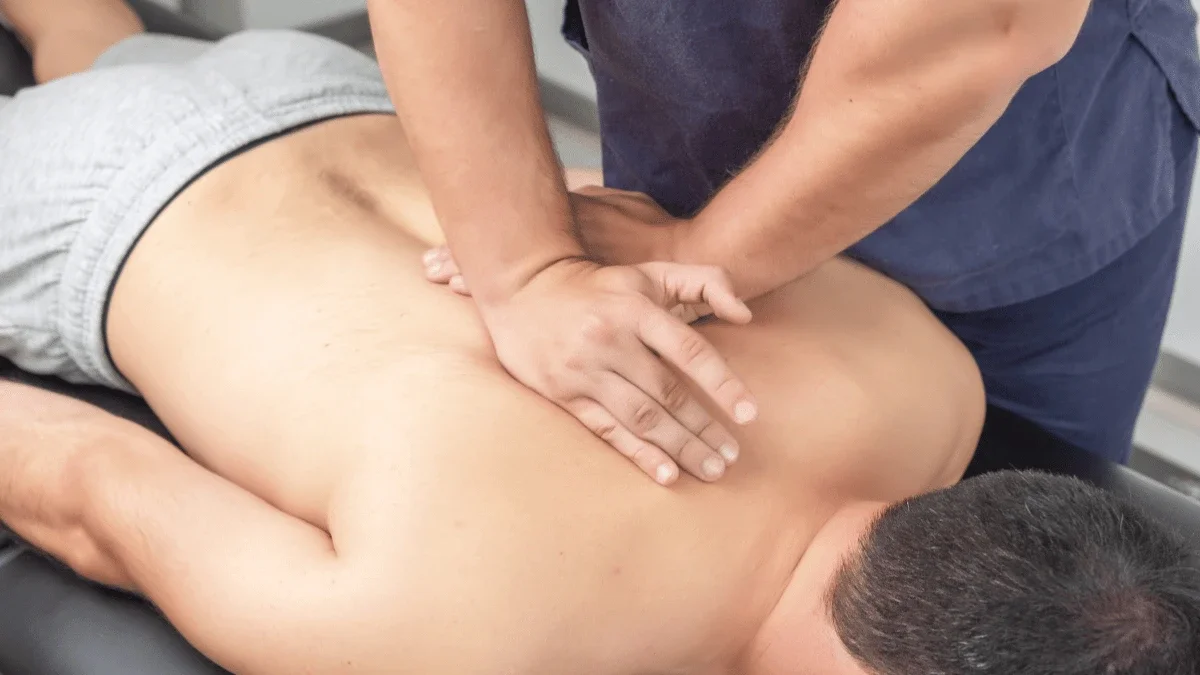
Massage Therapy
Massage may help reduce feelings of muscle tightness while improving relaxation and overall comfort.
Many active individuals incorporate periodic massage into their overall recovery routine, particularly during higher training volumes.
Compression Garments
Some athletes choose compression garments during recovery.
While individual results vary, some people report reduced feelings of muscle fatigue following longer training sessions.
These garments should complement, not replace, quality recovery habits.
Cold Therapy vs. Heat Therapy
One of the most common recovery questions is whether ice or heat works better after exercise. The answer depends on what your body is experiencing.
When Cold Therapy Makes Sense
Cold therapy is often used after intense exercise or when managing acute soreness and inflammation. It may help reduce discomfort and make you feel ready for your next training session sooner.
Examples include:
Cold plunges
Ice baths
Cold showers
Ice packs on specific areas
Many Fight Gravity Fitness clients enjoy occasional cold exposure, especially after demanding workouts or outdoor activities in Colorado. However, it should be used strategically rather than automatically after every session.
When Heat Therapy Is More Beneficial
Heat is generally better for improving circulation, relaxing tight muscles, and preparing stiff joints for movement.
Common options include:
Sauna sessions
Heating pads
Warm baths
Hot showers
If your muscles simply feel tight after a long workday, heat may be a better option than ice.
The important takeaway is that neither method replaces quality sleep, proper nutrition, or consistent training. They are simply tools that may complement an already solid recovery routine.
Stress Management Is Part of Recovery
Many people separate life stress from workout recovery.
Your body does not.
Whether stress comes from work deadlines, lack of sleep, family responsibilities, or intense exercise, your nervous system still has to manage it.
When overall stress becomes excessive, recovery slows.
This often appears as:
Poor sleep quality.
Low motivation.
Increased muscle tension.
Reduced workout performance.
Longer soreness between sessions.
At Fight Gravity Fitness, we encourage clients to look beyond the gym. Recovery isn't just about what happens after a workout. It's also about how you manage the other demands placed on your body throughout the week.
Simple habits such as taking short walks, practicing controlled breathing, limiting screen time before bed, and creating a consistent evening routine can have a meaningful impact on recovery.
The American Psychological Association also highlights the relationship between stress management, physical health, and overall well-being.

“Recovery is just as important as training. Without proper rest, your body cannot rebuild, improve, or perform at its best.”
How to Tell If You Are Not Recovering Properly
Your body usually provides warning signs before performance begins to decline significantly.
Learning to recognize these signals allows you to adjust your training before small issues become larger setbacks.
Common Signs of Poor Recovery
Watch for patterns such as:
Constant fatigue.
Declining workout performance.
Persistent soreness lasting several days.
Difficulty sleeping.
Reduced motivation to exercise.
Frequent minor injuries.
Feeling unusually irritable.
Occasionally experiencing one of these symptoms is normal.
Experiencing several of them consistently may indicate that your recovery routine needs improvement.
Rather than pushing harder, this is often the right time to evaluate sleep, nutrition, hydration, stress, and overall training volume.
Top 5 Workout Recovery Techniques That Deliver the Biggest Results
Recovery doesn't need to be complicated.
These five habits consistently provide the greatest long-term benefits.
1. Prioritize Sleep Every Night
Sleep remains the single most effective recovery strategy available.
Aim for seven to nine hours whenever possible.
2. Stay Consistently Hydrated
Hydration supports muscle function, circulation, joint health, and recovery between workouts.
Drink water consistently throughout the day instead of trying to "catch up" after exercise.
3. Eat Enough Protein and Nutrient-Dense Foods
Recovery begins with giving your body the nutrients it needs.
Balanced meals containing lean protein, complex carbohydrates, healthy fats, fruits, and vegetables support muscle repair and sustained energy.
4. Move Even on Rest Days
Light movement keeps blood flowing and reduces stiffness without adding significant fatigue.
Walking, mobility work, and easy cycling are excellent choices.
5. Follow a Structured Training Program
Perhaps the most overlooked recovery strategy is having an appropriate training plan.
Random high-intensity workouts performed every day rarely produce consistent results.
Structured programming balances stress and recovery to promote long-term progress.
Many clients discover this balance through private personal training in Denver, where workouts are adjusted based on individual goals, recovery capacity, and lifestyle rather than generic templates.
Recovery Is Different for Everyone
No two people recover at exactly the same rate.
Recovery depends on factors including:
Age.
Sleep quality.
Nutrition.
Training history.
Stress levels.
Work schedule.
Daily activity.
Previous injuries.
A recreational exerciser training three days each week will likely recover differently than someone preparing for a marathon or competitive sporting event.
This is one reason personalized coaching produces better long-term outcomes.
Programs should adapt to the individual rather than expecting the individual to force themselves into a generic program.
The American College of Sports Medicine recommends balancing exercise intensity with adequate recovery to support performance and reduce injury risk, while the National Strength and Conditioning Association emphasizes that individualized programming is a key component of effective long-term training.
Recovery Supports Long-Term Consistency
Most people don't stop exercising because one workout was too difficult.
They stop because weeks of accumulated fatigue leave them feeling discouraged, sore, or burned out.
Consistency is built by finding a balance between challenging yourself and allowing your body to recover.
At Fight Gravity Fitness, we encourage clients to think beyond individual workouts.
Instead of asking:
"How hard can I train today?"
Ask:
"How can I train in a way that allows me to come back tomorrow, next week, and next month?"
That mindset creates sustainable progress instead of short bursts of motivation followed by long layoffs.
Recovery is not something you earn after reaching your goal.
It is one of the habits that helps you reach it.
FGF’s Client
Success Stories
FAQs
How long should muscle soreness last after a workout?
Mild soreness typically lasts one to three days. If soreness persists longer or significantly limits movement, your body may need additional recovery or a reduction in training intensity.
Is it okay to exercise on rest days?
Yes. Light activities such as walking, stretching, or mobility work often support recovery without interfering with muscle repair.
Which recovery technique is most effective?
Quality sleep consistently provides the greatest overall benefit. When combined with proper nutrition, hydration, and structured programming, it creates the strongest foundation for recovery.
Should I stretch before or after a workout?
Dynamic stretching is generally more appropriate before exercise, while gentle static stretching and mobility work are often better after training.
How much protein do I need for recovery?
Protein needs vary based on body size, activity level, and goals. Consuming adequate protein throughout the day helps support muscle repair and recovery after exercise.
Do recovery tools replace rest days?
No. Recovery devices and techniques can complement your routine, but they cannot replace adequate sleep, nutrition, hydration, and appropriately scheduled rest.

Conclusion
The best Workout Recovery Techniques are rarely the most expensive or complicated. Consistent sleep, balanced nutrition, proper hydration, mobility work, stress management, and well-designed training programs create the foundation for lasting results. While recovery tools such as massage, heat therapy, cold exposure, and compression garments may provide additional benefits, they work best when the fundamentals are already in place.
At Fight Gravity Fitness, recovery is treated as an essential part of every training program rather than an afterthought. By balancing challenging workouts with appropriate recovery strategies, clients improve performance, reduce injury risk, and continue progressing toward their goals without unnecessary setbacks. Whether you're training for strength, weight loss, improved mobility, or overall health, giving your body the opportunity to recover is one of the smartest investments you can make in your long-term fitness.

Nicholas Butler
Founder, Fight Gravity Fitness
Nicholas Butler is the founder of Fight Gravity Fitness and a passionate fitness professional who believes better movement leads to a better life. He specializes in helping busy professionals build strength, restore mobility, improve posture, and create sustainable long-term fitness habits through practical, personalized coaching. Nick holds certifications as a NASM Certified Personal Trainer, TRX Certified Instructor, Silver Sneakers Certified, and is CPR Certified. With years of experience and a strong focus on functional movement, he brings a supportive, results-driven approach that helps clients feel stronger, move better, and maintain an active, pain-free lifestyle. Learn more about the Fight Gravity Fitness coaching philosophy on the About Page.