Training Around Injury: How a Rehab Personal Trainer Bridges the Gap

Recovering from an injury can feel like being stuck in limbo. Physical therapy may be complete, but your body does not feel ready for full workouts. You know movement is important, yet fear of reinjury or pain makes it hard to trust your body again. Many people find themselves unsure of what they should or should not do next.
This is where a rehab personal trainer plays a critical role. Rehab-focused training bridges the gap between clinical rehabilitation and real-world fitness. Instead of stopping progress or jumping back into risky workouts, you learn how to train intelligently while your body continues to heal.
At Fight Gravity Fitness, we specialize in helping people move forward after injury with personalized coaching and structured progression. Learn how rehab personal training supports recovery and long-term strength.
TL;DR
Stopping all training after injury often leads to weakness, stiffness, and delayed recovery. A rehab personal trainer helps you train safely around injury, rebuild strength and mobility, and restore confidence without increasing risk.
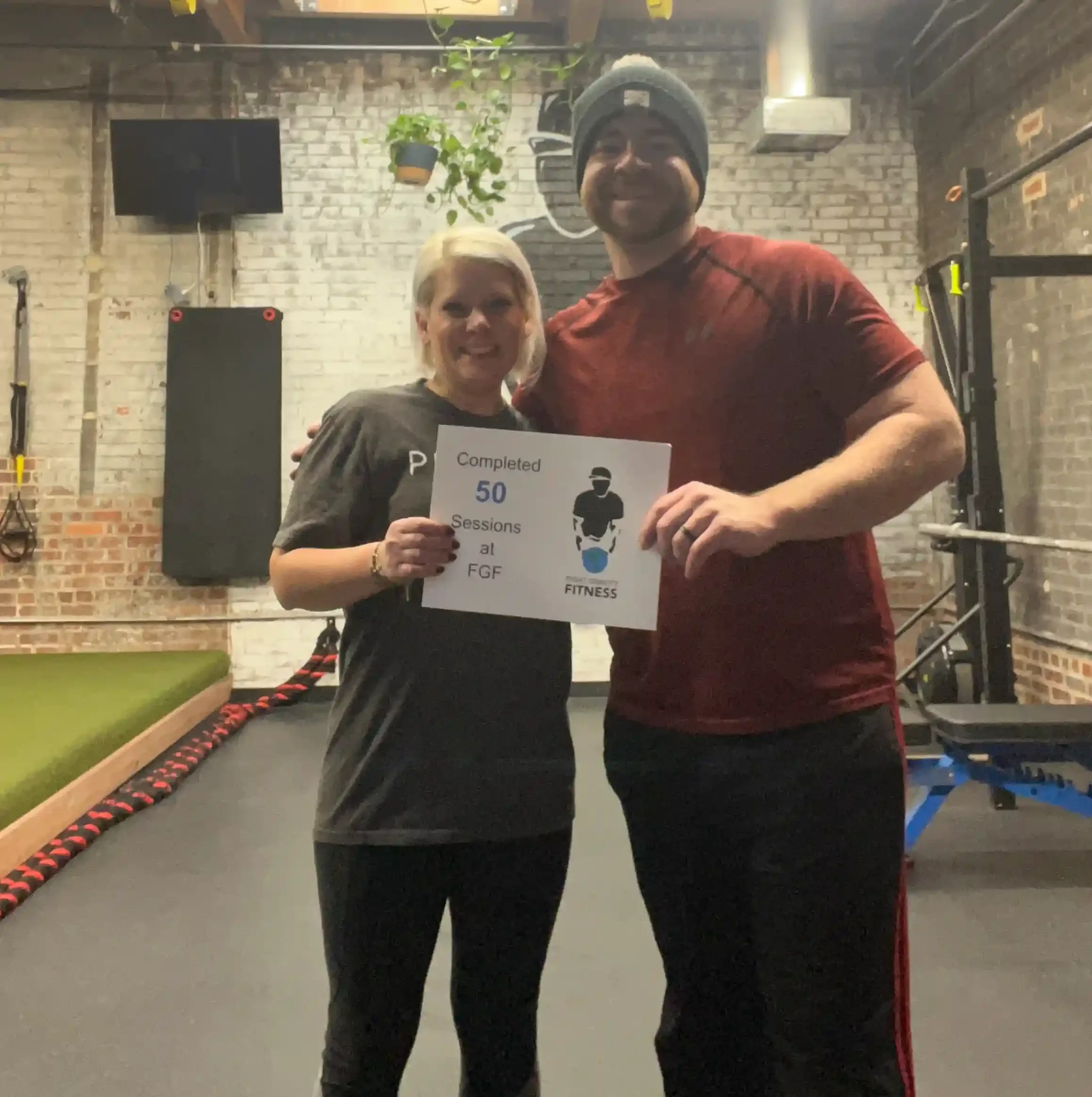
Meet our Denver
Personal Trainers
Key Takeaways
Complete rest after injury often slows recovery.
Rehab personal trainers bridge the gap between therapy and full workouts.
Training around injury supports strength, mobility, and confidence.
Smart progressions reduce the risk of reinjury.
Personalized coaching accelerates safe return to activity.
Why Stopping Training After Injury Often Backfires
After an injury, many people are told to rest. While rest has its place, prolonged inactivity often creates new problems. Muscles weaken quickly, joints lose mobility, and the nervous system becomes less efficient at controlling movement.
Common consequences of stopping training include:
Loss of strength and stability
Increased stiffness and limited range of motion
Compensation patterns that stress other joints
Reduced confidence and fear of movement
When movement stops completely, the body becomes less resilient. Training around injury allows healing to continue while maintaining overall function.
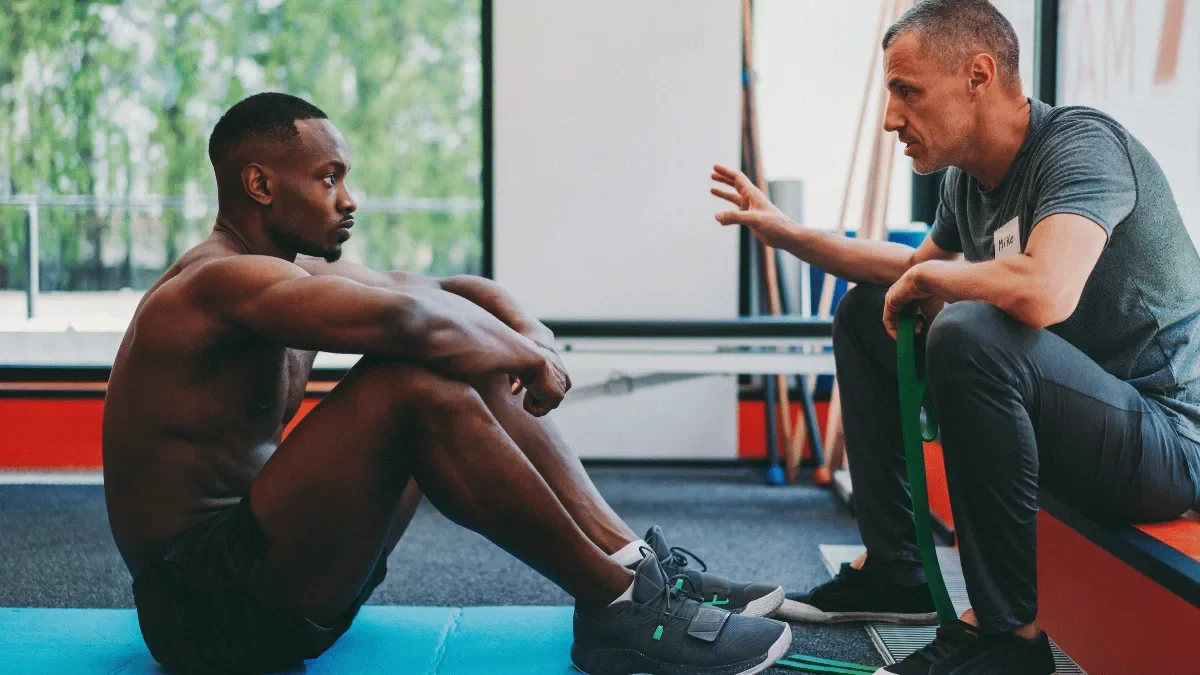
What a Rehab Personal Trainer Actually Does
A rehab personal trainer is not a physical therapist, but they work within the framework established by medical professionals. Their role is to help clients transition from rehabilitation exercises to functional strength and fitness.
Rehab personal training focuses on:
Respecting medical restrictions and limitations
Reinforcing proper movement patterns
Gradually increasing strength and load tolerance
Preparing the body for everyday activities and workouts
Rather than isolated rehab drills, training emphasizes coordinated movement that restores confidence and control.
As Nick Butler, Founder of Fight Gravity Fitness, explains:
“Rehab training is about restoring trust in your body. When people learn how to move safely again, strength and confidence come back together.”
Injuries That Benefit from Rehab Personal Training
Many injuries respond well to structured rehab-focused training, especially when symptoms linger after traditional rehabilitation.
Back and Spine Injuries
Low back pain, disc issues, and postural dysfunction often improve with targeted strength and stability training. Rehab training emphasizes core control, hip strength, and safe movement mechanics.
Knee and Lower Body Injuries
ACL recovery, meniscus injuries, and hip pain benefit from progressive loading and balance training. Strengthening surrounding muscles reduces stress on the injured area.
Shoulder and Upper Body Injuries
Rotator cuff issues and shoulder impingement often stem from poor mechanics and weakness. Rehab training improves shoulder stability, posture, and controlled strength.
Chronic Pain and Overuse Injuries
Tendinitis and repetitive strain injuries improve when movement patterns are corrected and load is managed appropriately.
“Fitness isn’t one-size-fits-all. You can’t algorithm your way to better movement - you need feedback, support, and a plan that adapts to you.”
How Training Around Injury Actually Works
Training around injury does not mean avoiding the injured area forever. It means choosing the right exercises, loads, and ranges of motion at the right time.
Key principles include:
Reducing range of motion when needed
Adjusting tempo and intensity
Emphasizing control before adding load
Strengthening supporting muscle groups
Exercises are regressed or progressed based on how your body responds. Pain, fatigue, and movement quality guide adjustments from session to session.
This approach keeps you moving forward without pushing too far too fast.

The Mental Side of Training After Injury
Fear is one of the biggest barriers to recovery. After an injury, many people hesitate to move freely. This hesitation can limit progress even when the body is physically ready.
A rehab personal trainer helps rebuild confidence through:
Gradual exposure to challenging movements
Clear explanations of why exercises are safe
Consistent feedback and reassurance
Structured milestones that show progress
Confidence grows as the body proves it can move without pain or setbacks.
Why One-on-One Rehab Training Makes a Difference
A private training environment is especially valuable during recovery. Crowded gyms can be distracting and intimidating, particularly when movement limitations exist.
Benefits of one-on-one rehab personal training include:
Full attention on every rep and movement
Immediate adjustments based on pain or fatigue
Controlled environment with minimal distractions
Safer progression and better communication
Private training allows your coach to prioritize quality over speed, which is essential during recovery.
What to Expect in the First 30 to 90 Days
Weeks 1 to 4
Detailed movement assessment
Review of injury history and restrictions
Establishing safe baseline exercises
Building consistency and trust in movement
Weeks 5 to 8
Gradual strength progressions
Improved mobility and stability
Increased confidence with daily movements
Weeks 9 to 12
Return to more complex exercises
Improved performance and resilience
Clear plan for continued training progression
This structured approach reduces guesswork and prevents setbacks.
Who Should Consider a Rehab Personal Trainer
Rehab personal training is ideal for individuals who:
Recently completed physical therapy
Experience lingering pain or stiffness
Feel nervous returning to traditional workouts
Want to prevent reinjury
Are older adults prioritizing safe movement
If you want to continue improving without risking another setback, rehab-focused coaching provides the right balance of challenge and safety.
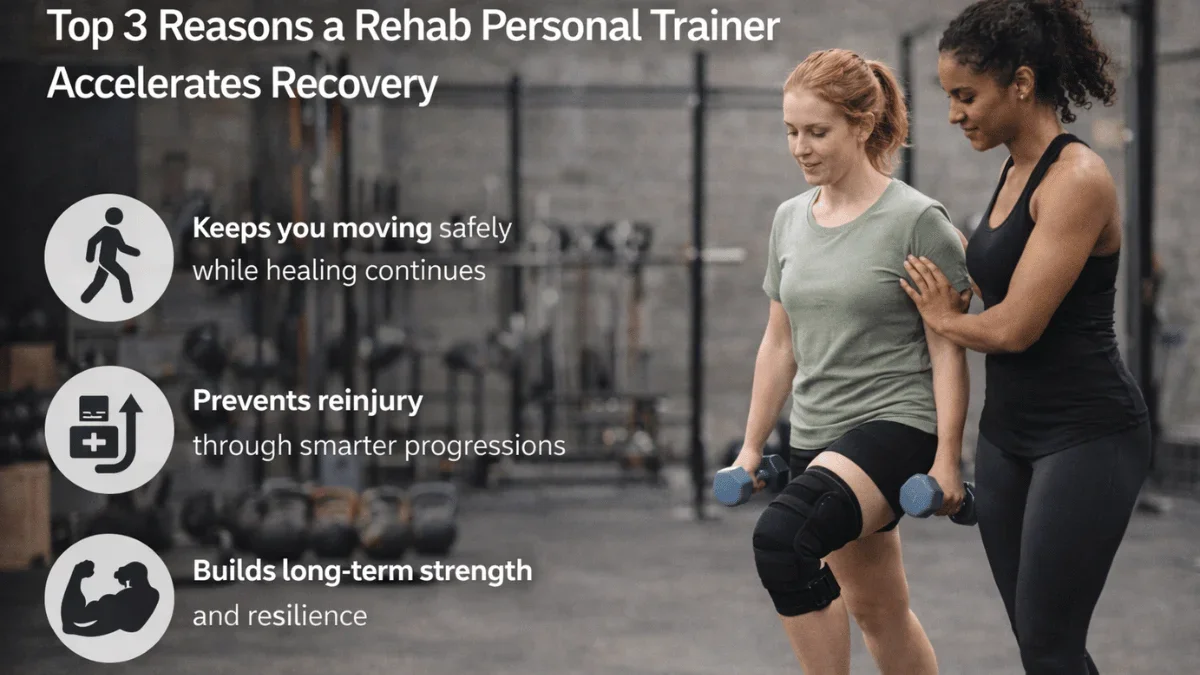
Top 3 Reasons a Rehab Personal Trainer Accelerates Recovery
Keeps you moving safely while healing continues
Prevents reinjury through smarter progressions
Builds long-term strength and resilience
Recovery is not about avoiding movement. It is about choosing the right movement at the right time.
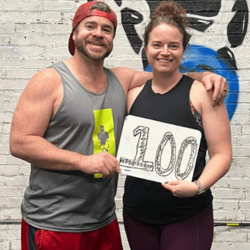
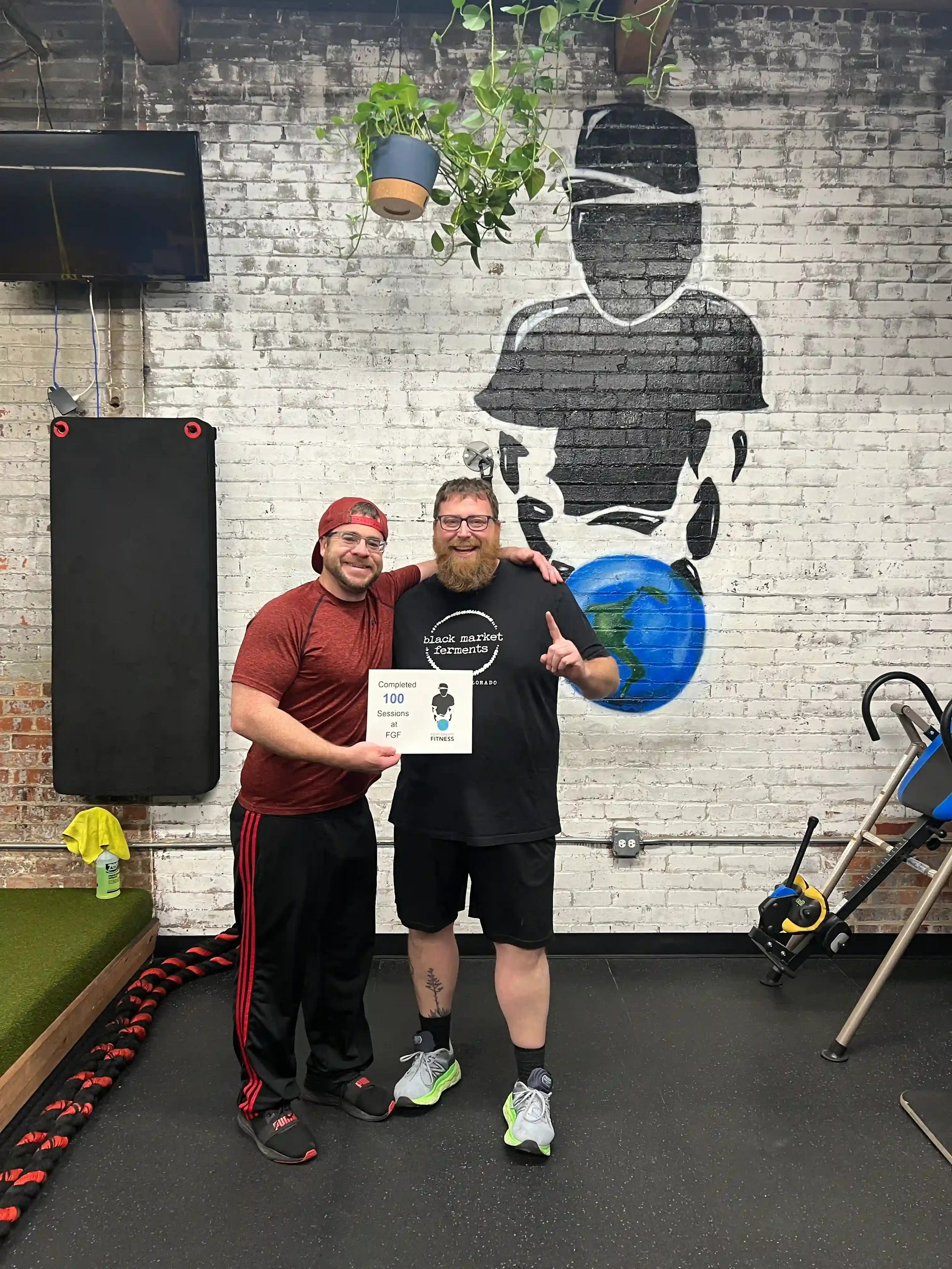
FGF’s Client
Success Stories
FAQs About Rehab Personal Training
What is the difference between a rehab personal trainer and a physical therapist?
Physical therapists focus on clinical rehabilitation and pain management. Rehab personal trainers focus on transitioning clients back to strength and fitness after therapy.
Can I train while still experiencing pain?
Some discomfort may be acceptable depending on the injury. A rehab personal trainer helps determine what is safe and appropriate.
How soon after physical therapy should I start training?
Many people begin rehab-focused training immediately after being discharged from therapy, once cleared by their provider.
Will rehab training slow down my fitness progress?
No. It often speeds up long-term progress by building a stronger and more resilient foundation.
Is rehab personal training safe for older adults?
Yes. Programs are adjusted to match mobility, strength, and recovery needs at any age.
Conclusion
You do not have to choose between complete rest and risky workouts after injury. A rehab personal trainer helps you train safely, rebuild strength, and regain confidence without unnecessary setbacks.
At Fight Gravity Fitness, we guide clients through recovery with personalized coaching that respects their body and goals. If you are ready to move forward instead of starting over, explore rehab-focused personal training.

Nicholas Butler
Founder, Fight Gravity Fitness
Nick Butler is a passionate fitness professional who believes that better movement leads to a better life. As the founder of Fight Gravity Fitness, he specializes in helping busy professionals build strength, restore mobility, and enjoy an active, pain-free lifestyle. Nick holds certifications as a NASM Certified Personal Trainer, TRX Certified Instructor, Silver Sneakers Certified, and is CPR Certified. With years of experience and a focus on functional movement, Nick brings a supportive, practical approach to fitness that gets results without the hype.