Fitness Challenges for Office Teams in Denver: Boost Wellness at Work
Fitness Challenges for Office Teams are becoming one of the most effective ways for Denver companies to improve workplace wellness, employee energy, and team culture without disrupting productivity. In offices across LoDo, RiNo, Cherry Creek, and the Denver Tech Center, companies are realizing that healthier employees are more engaged, focused, and consistent throughout the workday.
Many office workers spend eight or more hours sitting each day. Long meetings, computer-heavy work, and demanding schedules create physical fatigue, poor posture, and declining energy levels over time. While traditional wellness initiatives often struggle with participation, structured fitness challenges create clear goals, accountability, and team involvement that employees actually enjoy.
At Fight Gravity Fitness, workplace wellness is approached practically. The goal is not extreme fitness programs or unrealistic expectations. Instead, sustainable movement habits, accountability, and team participation help companies create healthier environments that support long-term performance. Businesses looking to improve employee wellness often start with structured coaching and workplace-friendly movement strategies through personalized fitness programs available at Fight Gravity Fitness.
Meet our Denver
Personal Trainers
TL;DR
Fitness Challenges for Office Teams help Denver businesses improve employee health, morale, productivity, and workplace culture through structured movement initiatives that fit into the workday. Whether through walking challenges, hydration goals, mobility breaks, or team-based competitions, these programs encourage consistency without overwhelming employees. Companies that prioritize workplace wellness often see improved focus, lower stress, better engagement, and stronger collaboration across teams.
Key Takeaways
Workplace fitness challenges improve morale and team engagement
Small daily movement habits reduce sedentary health risks
Team accountability increases participation and consistency
Denver companies benefit from an active local wellness culture
Short movement breaks improve focus and productivity
Inclusive challenges encourage participation from all fitness levels
Structured wellness initiatives strengthen workplace culture
Consistent activity helps reduce fatigue and burnout
Why Fitness Challenges for Office Teams Actually Work
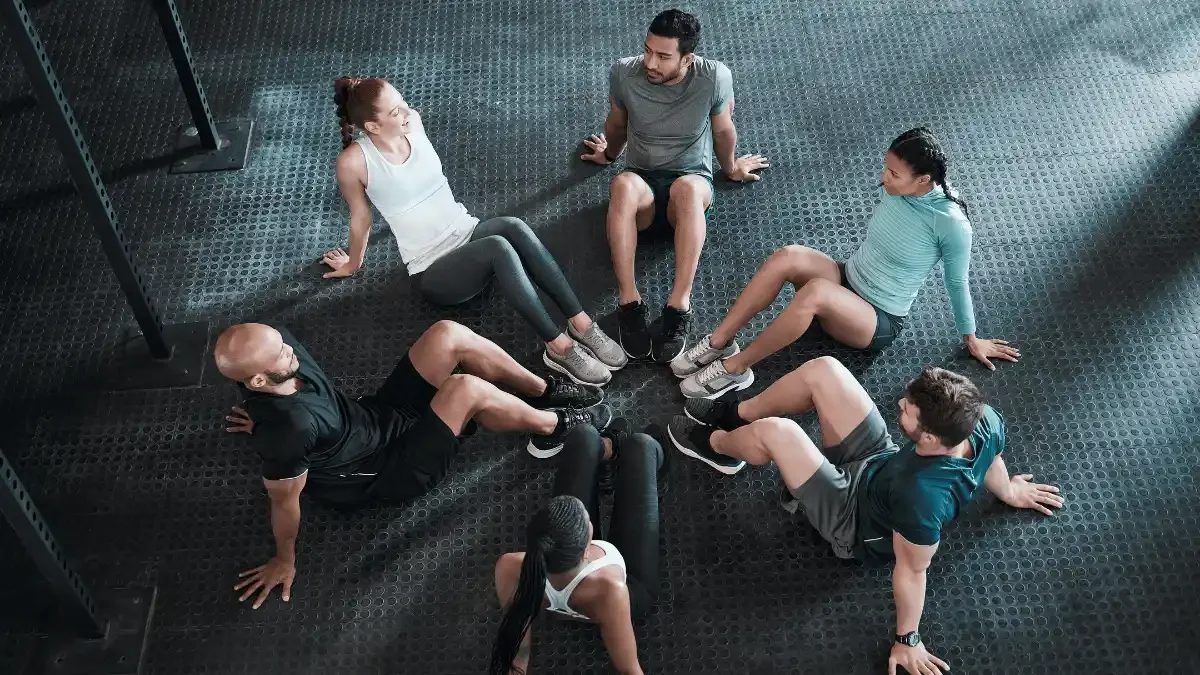
Many wellness initiatives fail because they feel disconnected from employees' real schedules. Fitness challenges succeed because they integrate directly into the workday instead of demanding major lifestyle changes.
Office teams respond well to clear goals, measurable progress, and friendly accountability. Employees are more likely to participate when challenges feel manageable and social rather than intimidating.
Team Accountability Creates Consistency
Individual motivation fluctuates. Team participation creates accountability that keeps employees engaged longer.
When coworkers participate together, wellness becomes part of company culture rather than an isolated personal effort. Employees encourage one another, celebrate progress, and stay more consistent over time.
This is especially valuable in hybrid workplaces where teams may otherwise feel disconnected.
Small Daily Habits Create Long-Term Results
Many people assume workplace fitness requires long workouts or gym memberships. In reality, small movement breaks throughout the day often produce meaningful improvements in energy and mobility.
Simple activities like walking meetings, stretch breaks, hydration tracking, or step competitions can improve daily movement dramatically.
The goal is consistency, not perfection.
Employees Want Practical Wellness Solutions
Most professionals already feel busy. Complicated wellness programs create resistance.
The best office fitness challenges work because they are simple, accessible, and realistic for people balancing meetings, deadlines, and family responsibilities.
At Fight Gravity Fitness, workplace wellness programs prioritize sustainable habits employees can actually maintain.
Common Workplace Health Challenges in Denver Offices
Denver has one of the most active populations in the country, but office workers still face many of the same sedentary health issues seen nationwide.
Long periods of sitting create predictable physical problems that impact both health and performance.
Poor Posture and Desk Fatigue
Hours at a computer often lead to:
Rounded shoulders
Tight hips
Neck tension
Lower back discomfort
Reduced mobility
These issues gradually reduce energy and increase discomfort throughout the workday.
Simple mobility-based challenges can significantly reduce these problems.
Mental Fatigue and Reduced Focus
Physical inactivity affects mental performance as much as physical health.
Research from the Centers for Disease Control and Prevention shows workplace wellness initiatives can improve concentration, reduce stress, and support productivity.
Short movement sessions increase circulation and help employees reset mentally during demanding workdays.
Burnout and Stress Accumulation
Many Denver professionals work long hours while balancing active lifestyles outside work.
Without movement during the workday, stress accumulates physically and mentally. Structured wellness breaks create opportunities for recovery and energy management.
“The stronger your body becomes, the more capable you feel in every aspect of life, both inside and outside the gym”
Best Fitness Challenges for Office Teams in Denver
The most effective workplace fitness challenges are inclusive, measurable, and easy to implement.
Step Challenges
Step challenges remain one of the most popular workplace wellness options because they are accessible to almost everyone.
Employees can:
Compete between departments
Set weekly movement goals
Encourage walking meetings
Build healthier commuting habits
Denver's walkable neighborhoods and outdoor culture make step challenges especially effective.
Teams near Wash Park, Cherry Creek Trail, or downtown Denver often naturally integrate walking into the workday.
Hydration Challenges
Hydration is often overlooked in office wellness.
Denver's altitude increases dehydration risk, especially for busy professionals consuming large amounts of caffeine.
Hydration challenges encourage employees to:
Track water intake
Reduce sugary drinks
Improve energy levels
Support cognitive performance
TheMayo Clinic emphasizes hydration as a critical component of overall health and energy management.
Lunch Break Workout Challenges
Short lunchtime workouts help employees break up sedentary time while improving focus for the second half of the day.
Examples include:
20-minute walking groups
Mobility circuits
Stair workouts
Bodyweight circuits
Stretch sessions
Many companies partner with local wellness providers like Fight Gravity Fitness to guide safe, structured workplace-friendly workouts.
Mobility and Stretch Break Challenges
Mobility challenges work particularly well in office environments because they require little space or equipment.
Daily mobility sessions can improve:
Posture
Energy
Joint mobility
Muscle tension
Workplace comfort
This is especially valuable for employees working long hours at desks.
Team Activity Leaderboards
Friendly competition increases engagement significantly.
Companies often create leaderboards based on:
Steps
Workout minutes
Stretch sessions
Water intake
Daily movement streaks
The key is creating motivation without making the challenge feel overly competitive or exclusive.
How Denver Companies Can Successfully Implement Workplace Fitness Challenges
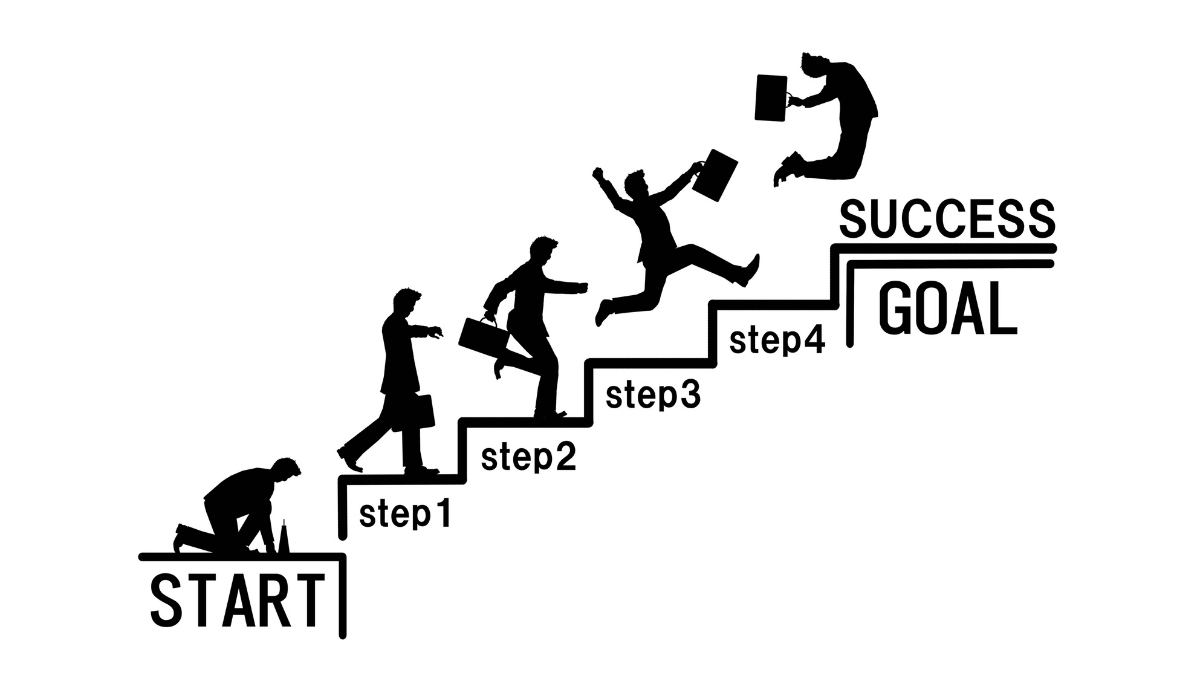
A fitness challenge only works if employees participate consistently.
Successful companies focus on simplicity, communication, and accessibility.
Start Small
Large wellness initiatives often fail because they overwhelm employees.
Instead, begin with manageable goals such as:
Daily walks
Weekly step goals
Stretch breaks
Water tracking
Short movement sessions
Consistency matters more than intensity.
Make Challenges Inclusive
Not every employee has the same fitness background.
Effective office wellness challenges accommodate:
Beginners
Older employees
Remote workers
Injured employees
Different mobility levels
Inclusive programming creates higher participation rates and stronger morale.
Leadership Participation Matters
Employees are far more likely to engage when leadership participates.
Managers who join walking meetings or team challenges help normalize workplace wellness.
Culture starts at the top.
Use Existing Communication Platforms
Companies do not need complicated systems to run effective wellness programs.
Most teams can coordinate challenges through:
Slack
Microsoft Teams
Shared spreadsheets
Email updates
Internal messaging platforms
Simple communication often works best.
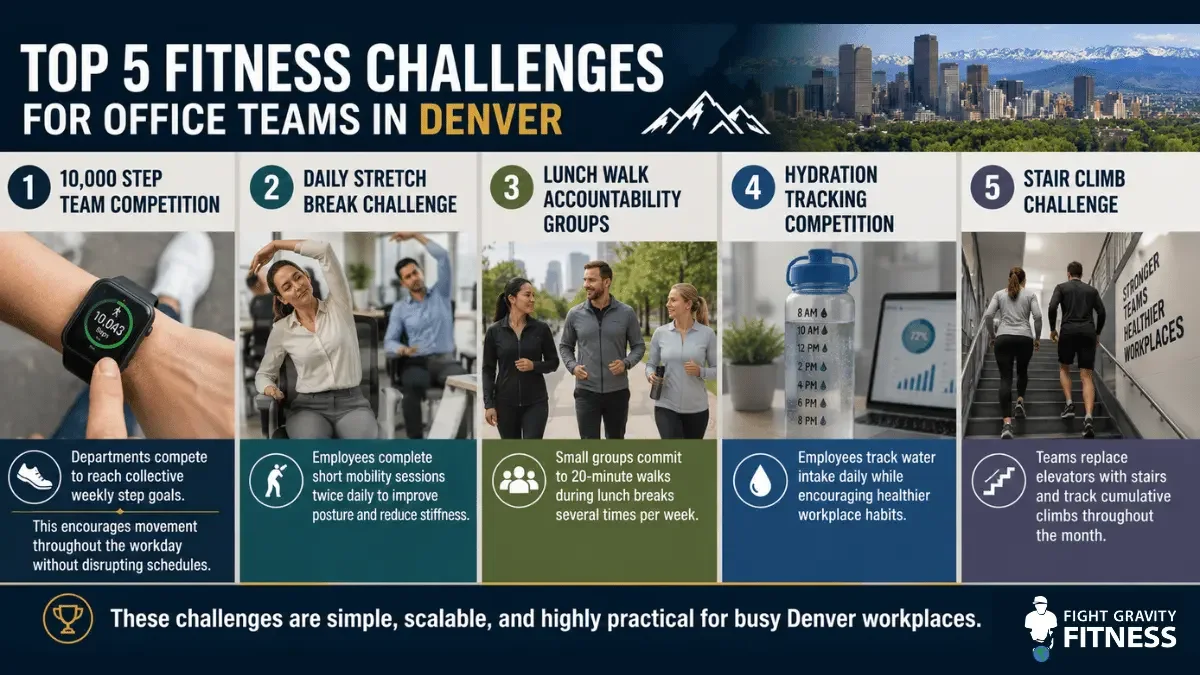
Top 5 Fitness Challenges for Office Teams in Denver
1. 10,000 Step Team Competition
Departments compete to reach collective weekly step goals.
This encourages movement throughout the workday without disrupting schedules.
2. Daily Stretch Break Challenge
Employees complete short mobility sessions twice daily to improve posture and reduce stiffness.
3. Lunch Walk Accountability Groups
Small groups commit to 20-minute walks during lunch breaks several times per week.
4. Hydration Tracking Competition
Employees track water intake daily while encouraging healthier workplace habits.
5. Stair Climb Challenge
Teams replace elevators with stairs and track cumulative climbs throughout the month.
These challenges are simple, scalable, and highly practical for busy Denver workplaces.
The Business Benefits of Workplace Fitness Challenges
Wellness programs are not just good for employees. They also support business performance.
Improved Productivity
Employees who move regularly throughout the day often experience:
Better focus
Higher energy
Improved concentration
Reduced fatigue
Movement helps maintain mental performance during long workdays.
Reduced Workplace Absenteeism
The American Heart Association notes that workplace wellness initiatives can contribute to improved employee health and reduced absenteeism.
Healthier employees are generally more consistent and productive.
Better Team Morale
Shared fitness goals improve communication and workplace culture.
Employees feel more connected when participating in team-based wellness initiatives.
Stronger Employee Retention
Workplace wellness demonstrates that companies value employee wellbeing.
This contributes to higher satisfaction and stronger long-term retention.
Creating a Long-Term Workplace Wellness Culture
The best office wellness programs are not one-time events.
Long-term success requires consistent reinforcement.
Build Movement Into Daily Operations
Successful companies normalize movement through:
Walking meetings
Stretch breaks
Standing discussions
Wellness reminders
Team activity goals
Movement becomes part of company culture rather than a temporary initiative.
Provide Ongoing Support
Employees maintain habits longer when support remains consistent.
This may include:
Wellness coaching
Monthly challenges
Educational workshops
Team accountability
Structured programming
Fight Gravity Fitness helps businesses create sustainable wellness systems that fit real workplace schedules.
Focus on Sustainability
Extreme programs create burnout.
Practical wellness habits create long-term results.
The goal is helping employees move more consistently without adding unnecessary stress to already busy schedules.
FGF’s Client
Success Stories
FAQs
What are Fitness Challenges for Office Teams?
Fitness challenges are structured workplace wellness activities designed to increase movement, improve health habits, and encourage team participation through measurable goals.
Do workplace fitness challenges actually improve productivity?
Yes. Regular movement throughout the workday can improve focus, energy, and mental performance while reducing fatigue.
What is the easiest fitness challenge to start in an office?
Step challenges are often the easiest starting point because they are simple, inclusive, and require no special equipment.
How long should an office fitness challenge last?
Most successful workplace challenges run between 2 and 6 weeks to maintain engagement without creating burnout.
Can remote employees participate in workplace wellness challenges?
Yes. Many challenges work well for hybrid and remote teams through digital tracking and virtual accountability.
Are workplace fitness programs expensive?
Not necessarily. Many effective wellness initiatives require minimal equipment or financial investment.
Conclusion
Fitness Challenges for Office Teams give Denver companies a practical way to improve employee wellness, morale, and workplace culture without disrupting productivity. Simple movement initiatives like walking challenges, hydration tracking, mobility breaks, and team accountability programs help employees feel better physically and mentally throughout the workday.
The most successful workplace wellness programs focus on consistency, accessibility, and realistic habits employees can maintain long term. Companies that invest in movement-focused wellness initiatives often see stronger engagement, better collaboration, and healthier teams overall.
Businesses looking to create a more energized and productive workplace can start with structured support and personalized coaching through Fight Gravity Fitness. Small daily movement habits can create major long-term improvements for both employees and organizations.

Nicholas Butler
Founder, Fight Gravity Fitness
Nicholas Butler is the founder of Fight Gravity Fitness and a passionate fitness professional who believes better movement leads to a better life. He specializes in helping busy professionals build strength, restore mobility, improve posture, and create sustainable long-term fitness habits through practical, personalized coaching. Nick holds certifications as a NASM Certified Personal Trainer, TRX Certified Instructor, Silver Sneakers Certified, and is CPR Certified. With years of experience and a strong focus on functional movement, he brings a supportive, results-driven approach that helps clients feel stronger, move better, and maintain an active, pain-free lifestyle. Learn more about the Fight Gravity Fitness coaching philosophy on the About Page.