Can You Build Muscle Without a Gym?
It's one of the most common fitness questions: can you build muscle without a gym, racks of weights, or any equipment at all? Maybe you travel constantly, live far from a good gym, are working with a tight budget, or simply prefer training in your own space. Whatever the reason, the good news is clear — yes, you can build real, visible muscle using nothing but your own body weight.
The idea that muscle growth requires heavy barbells and expensive machines is one of fitness's most persistent myths. Your muscles don't know whether the resistance comes from a dumbbell or from your own bodyweight in a challenging position. They respond to tension, effort, and progression. Get those right, and bodyweight exercises for muscle building can be genuinely effective — especially for beginners and intermediate exercisers.
That said, muscle building without weights does come with real considerations. As you get stronger, you have to get creative about how you keep challenging your muscles, since you can't simply add another plate to the bar. Understanding how muscle growth actually works makes it much easier to keep progressing at home instead of hitting a wall.
This guide covers the science of how muscle is built, why bodyweight training works, the best exercises to focus on, how to keep progressing without any equipment, and where the honest limitations are. At Fight Gravity Fitness, we believe effective training should fit your life — and for a lot of people, that starts at home.
TL;DR
Yes, you can build muscle without a gym. Muscle growth is driven by challenging your muscles with enough tension and effort, then recovering — and bodyweight exercises can provide that stimulus, especially for beginners and intermediates. The key is progressive overload: as movements get easier, you make them harder by adjusting leverage, tempo, range of motion, reps, and rest. Bodyweight training has limits at advanced levels, particularly for lower-body strength, but for most people it builds real, meaningful muscle at home.
Key Takeaways
Muscles respond to tension and effort, not to any specific type of equipment.
Bodyweight exercises can build real muscle, especially for beginners and intermediates.
Progressive overload still applies — you just create it without adding weight.
Harder variations, slower tempo, fuller range of motion, and less rest all increase difficulty.
Compound bodyweight movements deliver the most muscle-building return.
Recovery, protein, and consistency matter just as much at home as in a gym.
Advanced lifters and maximal lower-body strength eventually need added resistance.
How Muscle Growth Actually Works
To understand why bodyweight training works, it helps to know what actually triggers a muscle to grow. Muscle growth — hypertrophy — happens when you expose a muscle to a challenging stimulus, create small amounts of stress within the muscle fibers, and then give your body the nutrition and rest it needs to repair and rebuild those fibers slightly stronger and larger than before.
The single most important factor is mechanical tension: how hard a muscle has to work against resistance. That resistance can come from an external weight, but it can just as easily come from your own bodyweight positioned to make a movement difficult. A push-up done with good form and full effort places meaningful tension on your chest, shoulders, and triceps — the same muscles a bench press targets. Your body simply responds to the demand placed on it.
The Role of Progressive Overload
Here's the concept that determines whether you keep making progress: progressive overload, the gradual increase in demand over time. Muscles adapt to what you ask of them, so to keep growing, you have to keep asking for a little more. In a gym, that usually means adding weight. Without weights, you create the same effect by making movements harder in other ways — using more challenging variations, slowing down your tempo, increasing your range of motion, adding reps, or shortening your rest. As long as you keep progressively overloading your muscles, they have a reason to keep growing. For a deeper look at training for size versus strength, our guide on strength vs. hypertrophy training breaks down how the goals differ.
Why Bodyweight Training Builds Muscle
Bodyweight training builds muscle because it meets the same requirements as weighted training: it produces meaningful tension, can be pushed close to muscular fatigue, and can be progressed over time. Research summarized by organizations like the American College of Sports Medicine supports the idea that muscle growth depends on challenging effort and progression rather than on a particular tool. When a set of a hard push-up or squat variation genuinely challenges you within a moderate rep range, your muscles get the growth signal they need.
For beginners, bodyweight training is especially effective. Early on, almost any consistent resistance produces rapid gains in both strength and muscle, because your body is adapting to a brand-new demand. Beginners also benefit from learning fundamental movement patterns — pushing, pulling, squatting, hinging — with their own bodyweight before touching a barbell, building a foundation of control and coordination that pays off later.
The Best Bodyweight Exercises for Muscle
The most effective bodyweight movements are compound exercises that work several muscle groups at once. For your upper body, push-ups and their many variations build the chest, shoulders, and triceps, while pull-ups or rows (using a sturdy bar or even a table) develop the back and biceps. For your lower body, squats, lunges, split squats, and single-leg variations challenge the quads, hamstrings, and glutes. Core movements like planks, hollow holds, and leg raises round things out. Focusing your effort on these big, compound patterns — the same principle behind functional fitness — gives you the most muscle-building return for your time.
Top 5 Ways to Make Bodyweight Exercises Harder
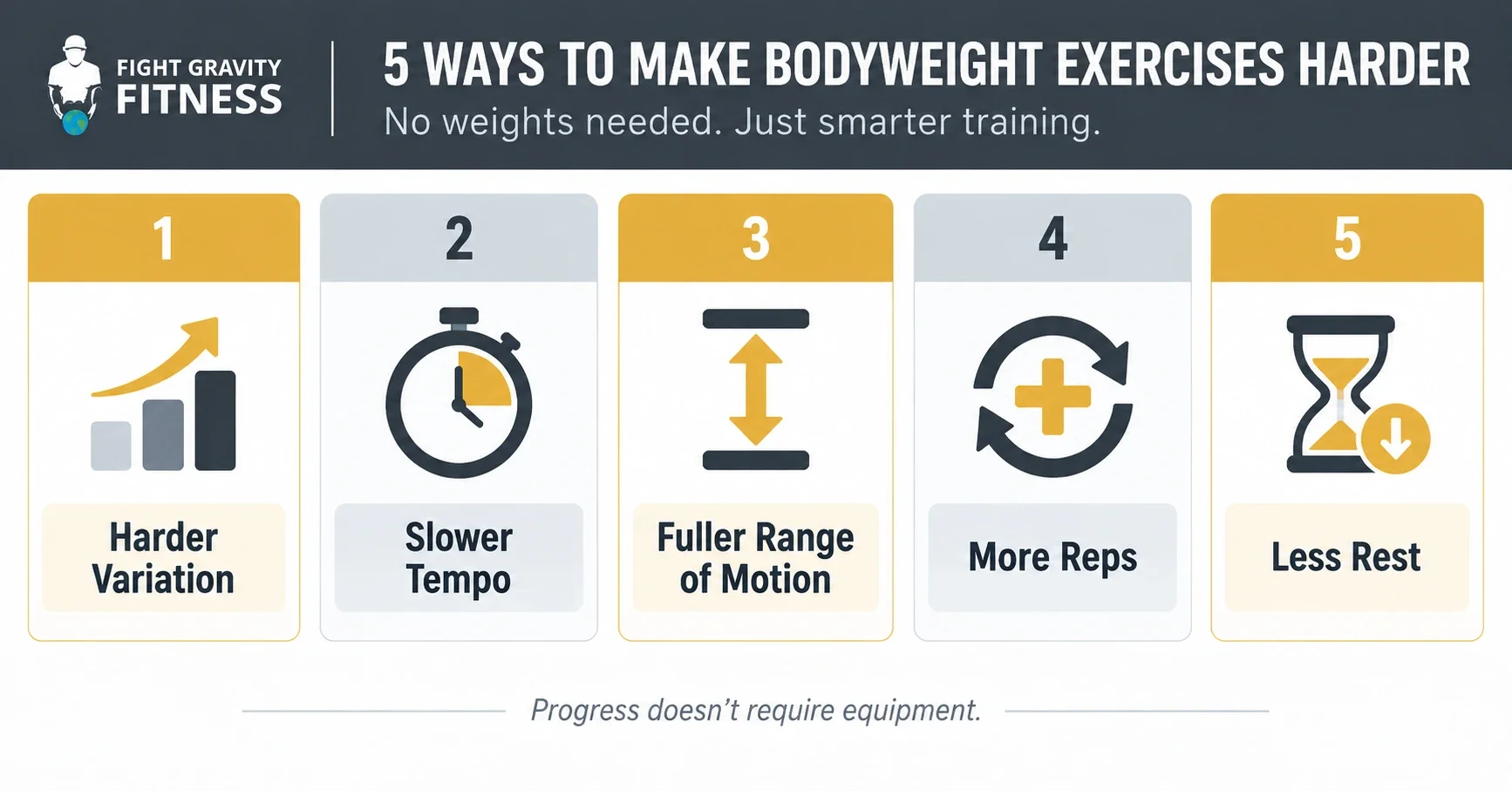
The single biggest challenge of training without weights is continuing to progress once the basic versions get easy. Here are five reliable ways to keep overloading your muscles — no equipment required.
1. Progress to Harder Variations
Every basic movement has more challenging versions. Standard push-ups become decline, archer, or one-arm progressions. Squats progress toward pistol (single-leg) squats. Moving to a harder variation instantly increases the demand on your muscles, giving them a fresh reason to grow.
2. Slow Down Your Tempo
Controlling the speed of a movement dramatically increases difficulty. Lowering into a push-up over three to five seconds, pausing at the bottom, and rising with control keeps your muscles under tension far longer than fast reps. More time under tension means more stimulus — with no extra equipment.
3. Increase Your Range of Motion
A deeper range of motion works the muscle harder through a longer stretch. Elevating your hands or feet during push-ups, or squatting to full depth, forces your muscles to produce force over a greater distance, which increases both the challenge and the growth stimulus.
4. Add Reps and Sets
The most straightforward form of progression: do a little more over time. If you managed three sets of ten last week, aim for eleven or twelve this week. Gradually increasing your total training volume is a simple, effective way to keep pushing your muscles to adapt.
5. Shorten Your Rest Periods
Reducing the rest between sets increases the overall demand on your muscles and keeps the intensity high. Trimming your rest from ninety seconds to sixty makes the same workout meaningfully harder, adding another lever you can pull as you get stronger.
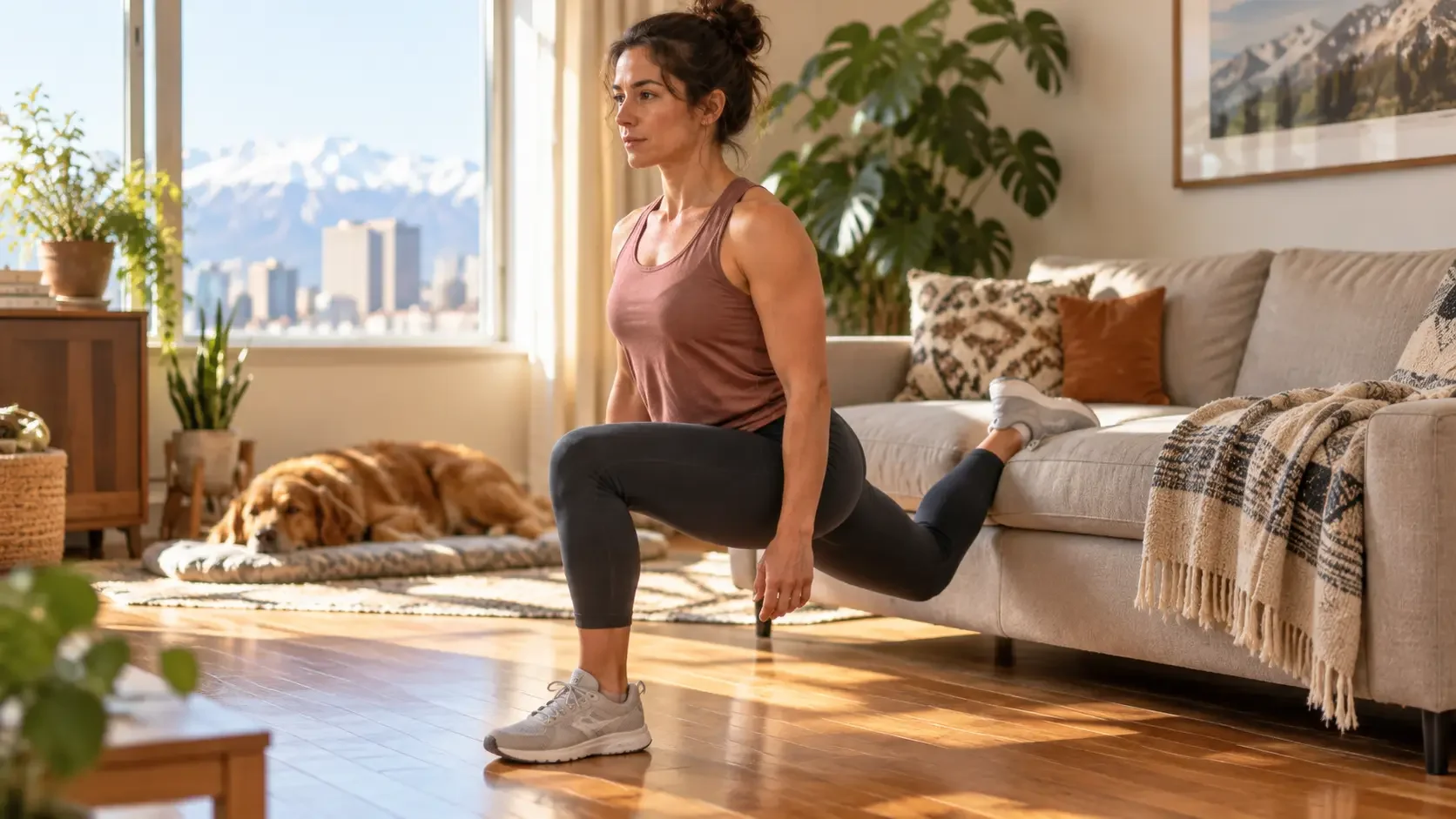
Bodyweight training is powerful, but it's worth being honest about where it runs into limits. The biggest one shows up at the advanced level. Once you can do dozens of push-ups or multiple clean pull-ups, building further muscle requires enough resistance that bodyweight alone becomes hard to progress — and single-arm or single-leg variations are technically demanding and not right for everyone.
Lower-body strength is the clearest example. Your legs are strong and adapt quickly, so bodyweight squats and lunges eventually stop providing enough challenge for continued growth without either very advanced variations or some added load. This is where a few simple additions — resistance bands, a weighted backpack, or eventually some free weights — can extend your progress significantly. It's also where guidance helps: if you're serious about building muscle and want to break through a plateau, working with a coach through online personal training or private personal training in Denver can take the guesswork out of programming your next step. None of this erases what bodyweight training accomplishes — it just marks the point where a little added resistance keeps the momentum going.
FAQs
Can you really build muscle with just bodyweight exercises?
Yes. Muscle growth depends on challenging your muscles with enough tension and effort, then recovering — and bodyweight exercises can provide that, especially for beginners and intermediate exercisers.
How long does it take to build muscle without a gym?
Most people notice strength and endurance improvements within a few weeks, while visible muscle changes typically take a couple of months of consistent training, adequate protein, and good recovery — similar timelines to gym-based training.
What are the best bodyweight exercises for building muscle?
Compound movements deliver the most: push-ups (and their variations), pull-ups or rows, squats, lunges, split squats, and core work like planks and leg raises. These work multiple muscle groups at once.
How do I keep progressing without adding weight?
Use progressive overload without load: move to harder variations, slow your tempo, increase your range of motion, add reps and sets, and shorten your rest periods. Each one increases the demand on your muscles.
Is bodyweight training enough to build big muscles?
For beginners and intermediates, it builds real, meaningful muscle. Advanced lifters chasing maximal size — especially in the lower body — will eventually need some added resistance to keep progressing.
Do I need protein to build muscle at home?
Yes. Muscle growth requires adequate protein to repair and rebuild muscle tissue, regardless of whether you train at home or in a gym. Consistent protein intake and good sleep are just as important as the workouts.
Conclusion
So, can you build muscle without a gym? Absolutely. Your muscles respond to tension, effort, and progression — not to the specific equipment providing the resistance. With a smart approach built around challenging compound movements and steady progressive overload, bodyweight training can build real, visible muscle, especially if you're a beginner or intermediate exerciser.
The key is treating your home training with the same intent you'd bring to a gym: pick effective exercises, push your sets close to real effort, keep making them harder over time, and back it all up with protein, sleep, and consistency. Do that, and the lack of a barbell won't hold you back nearly as much as most people assume.
And when you reach the point where you want to break through a plateau or add resistance strategically, that's exactly where expert guidance pays off. At Fight Gravity Fitness, we help people train effectively wherever they are — at home, online, or in our Denver studio — with plans built around their goals and the accountability to keep progressing. Consistency and balance, wherever you train.
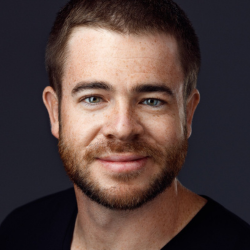
Nicholas Butler Founder, Fight Gravity Fitness
Nick Butler is a passionate fitness professional who believes that better movement leads to a better life. As the founder of Fight Gravity Fitness, he specializes in helping busy professionals build strength, restore mobility, and enjoy an active, pain-free lifestyle. Nick holds certifications as a NASM Certified Personal Trainer, TRX Certified Instructor, Silver Sneakers Certified, and is CPR Certified. With years of experience and a focus on functional movement, Nick brings a supportive, practical approach to fitness that gets results without the hype.